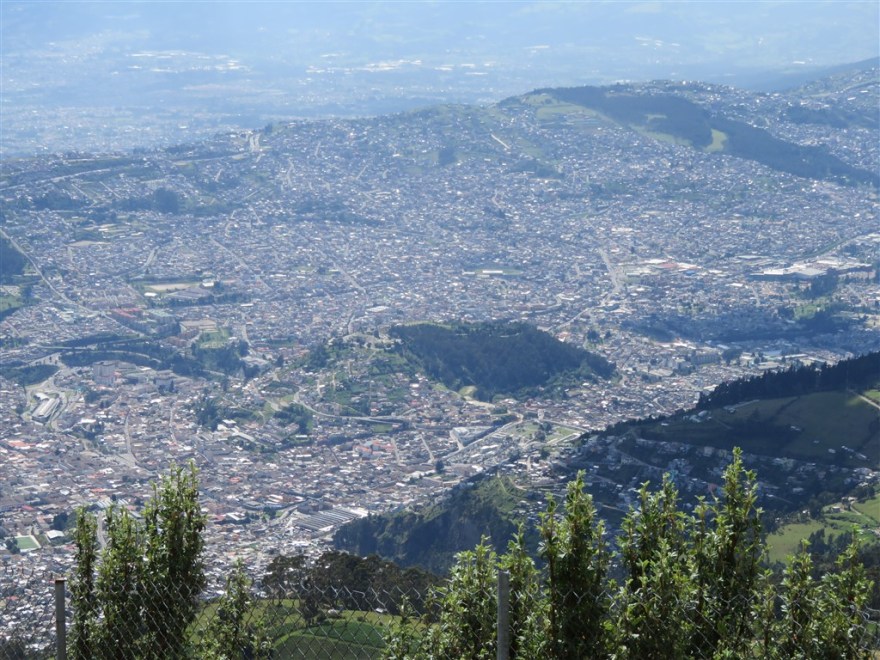
I spent about 5 days in Quito over a 3 week period in-between my trips to Cuenca, the Galapagos islands and Mashpi Lodge. It is another high altitude capital at 2,850m but after a couple of weeks in Bolivia I was getting used to the altitude. It is spread along the Guayllabamba river basin in the foothills of the Andes.
For my first couple of nights I went upmarket and stayed in one of the converted mansions in the old part of the city – Casa San Marcos (www.casasanmarcos.com).
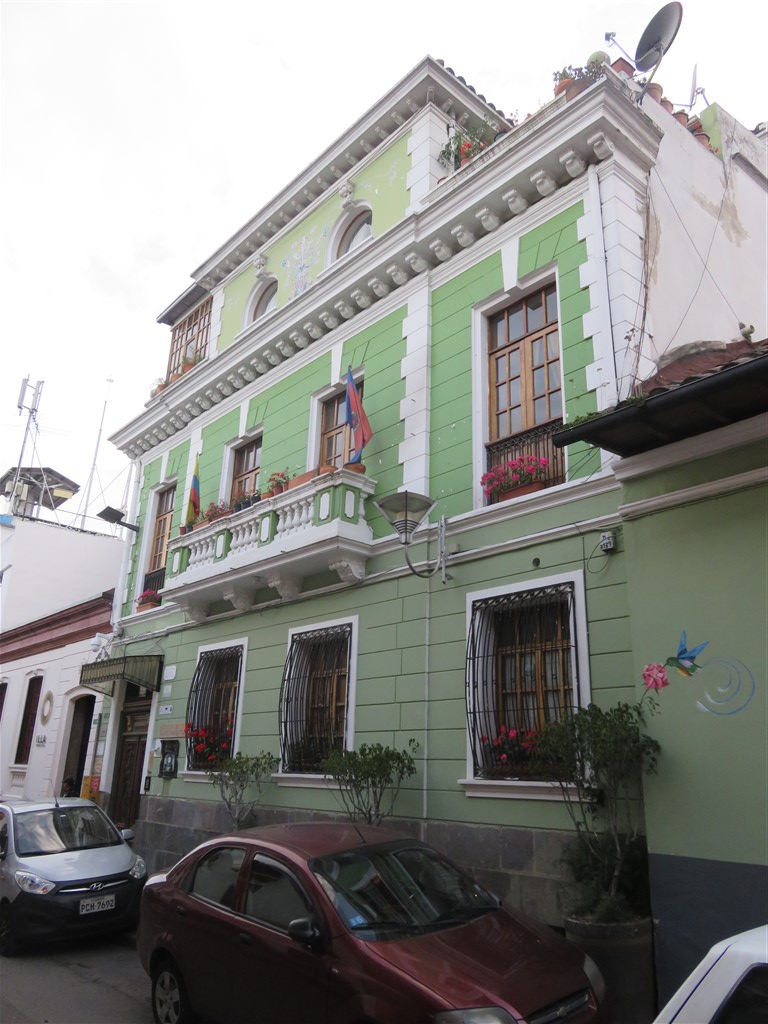
The house retained many of its original features and it was like staying in a museum.


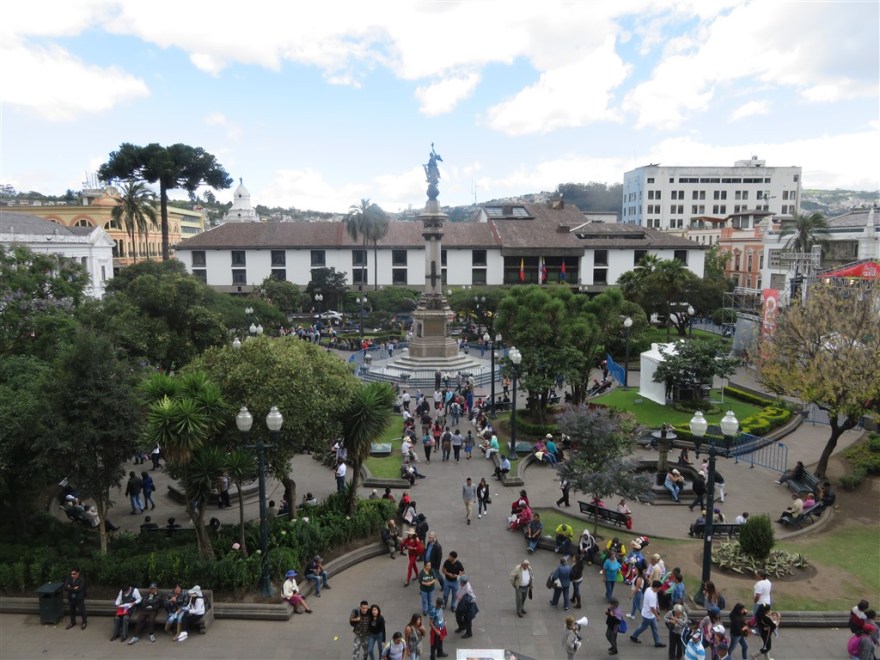
I spent most of my time in the historic centre which is a UNESCO world heritage site. The central point is Plaza Grande.
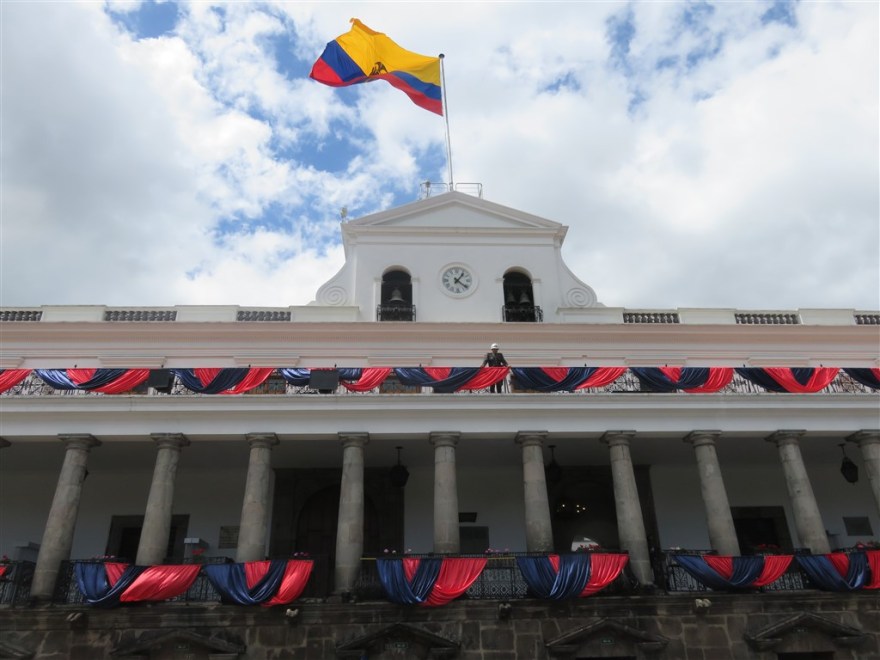
The Presidential Palace is located on the North West side. It is open for visits when not in official use.
I signed up for one of the free tours. Entering through the front entrance, the first part of the tour is spent in the museum.
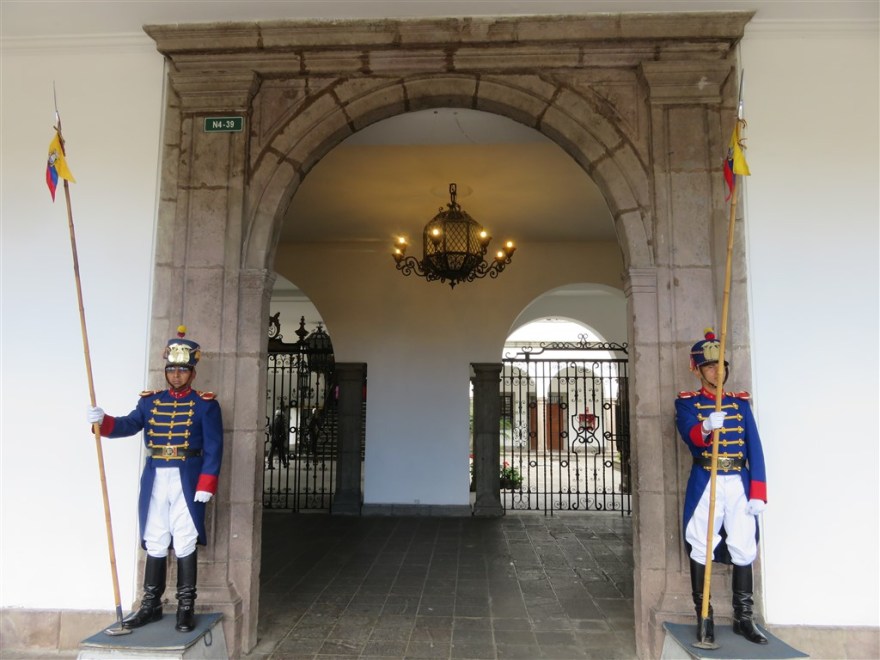
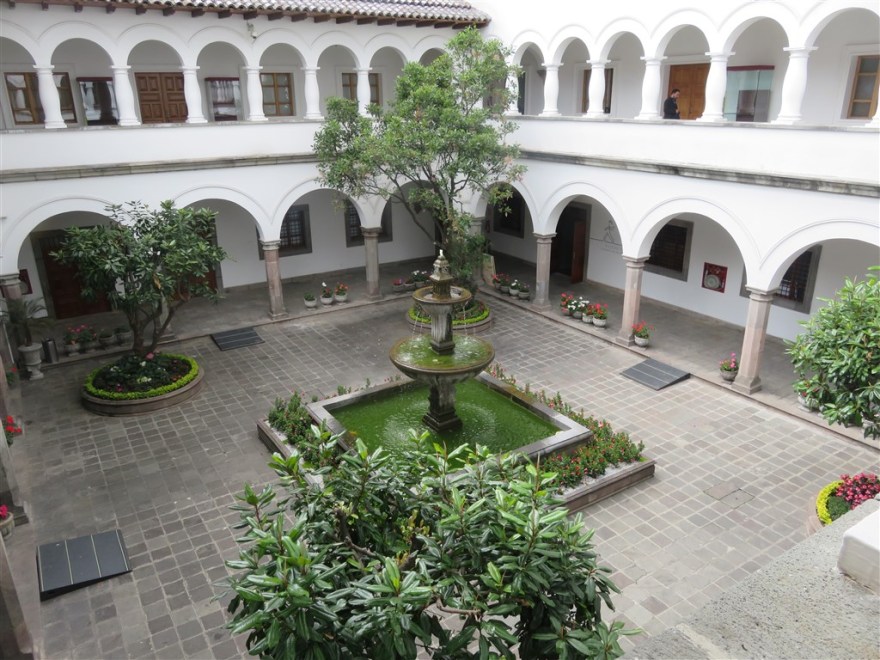
The building has been completely renovated and extended over the last 10 years but all the architecture has been restored to its original design. The lower two floors are used for administrative and ceremonial purposes. The President lives on the top two floors.
The President was not in his office when I visited. There are two guards posted outside when he is there.

This display in the museum showed all the Ecuadorean Presidents. Those elected democratically have gold frames and those who were not (e.g. military appointments) have black frames. Only about a third have gold frames.

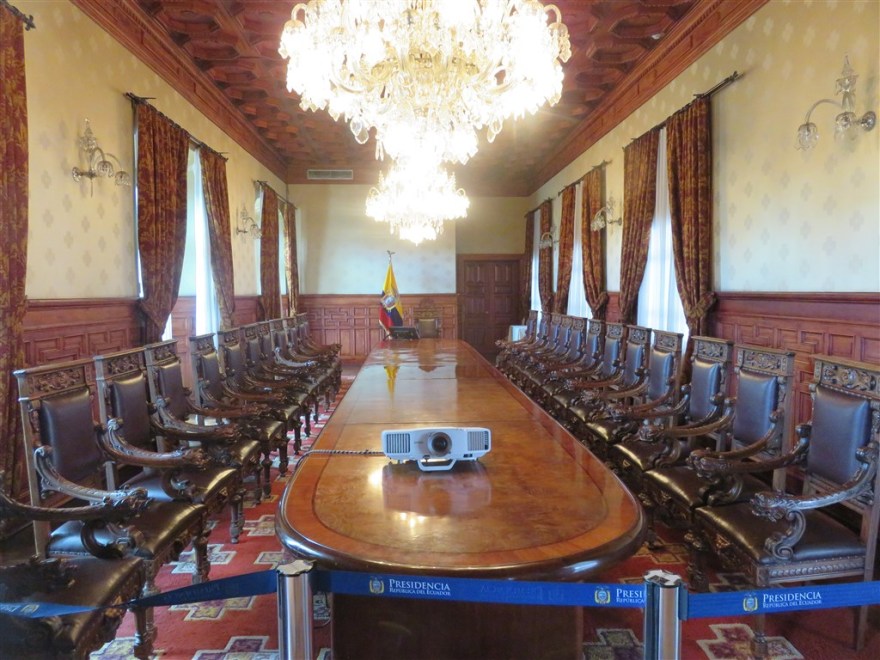
The cabinet room is used for the President’s Cabinet meetings twice a week.
Next door is the Banqueting Suite.
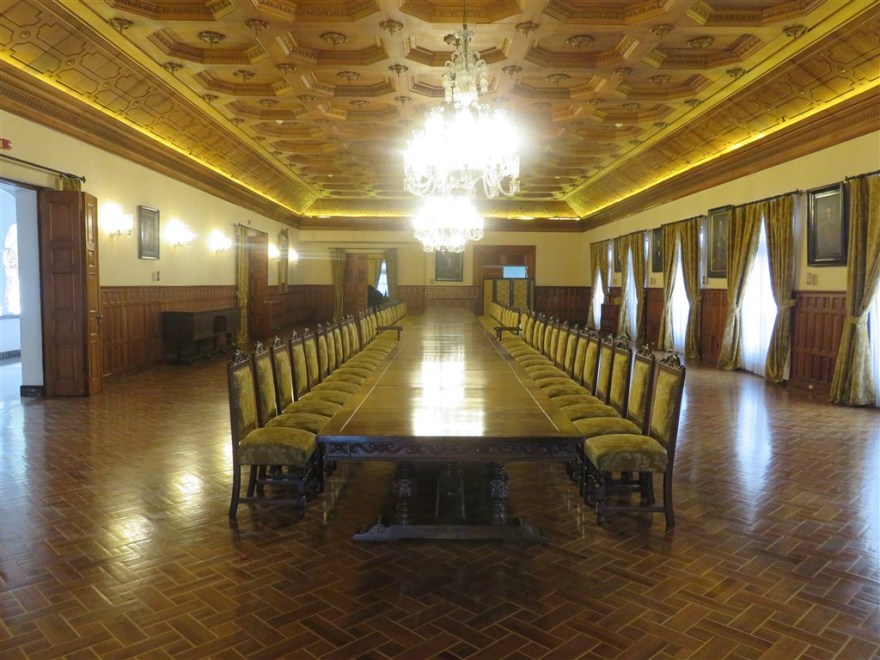
The President’s Room is used for all ceremonial events.

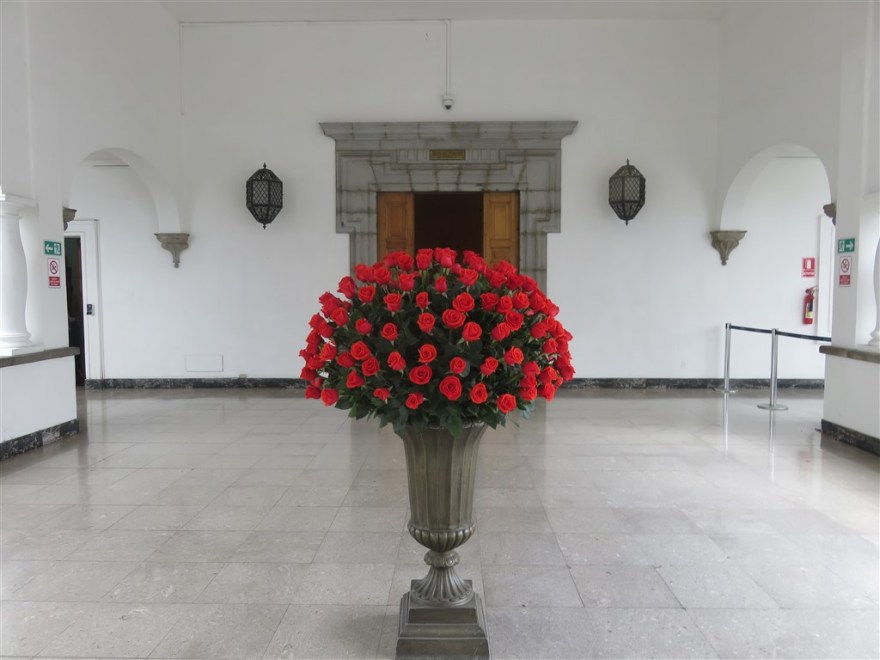
Roses are one of Ecuador’s largest export markets.
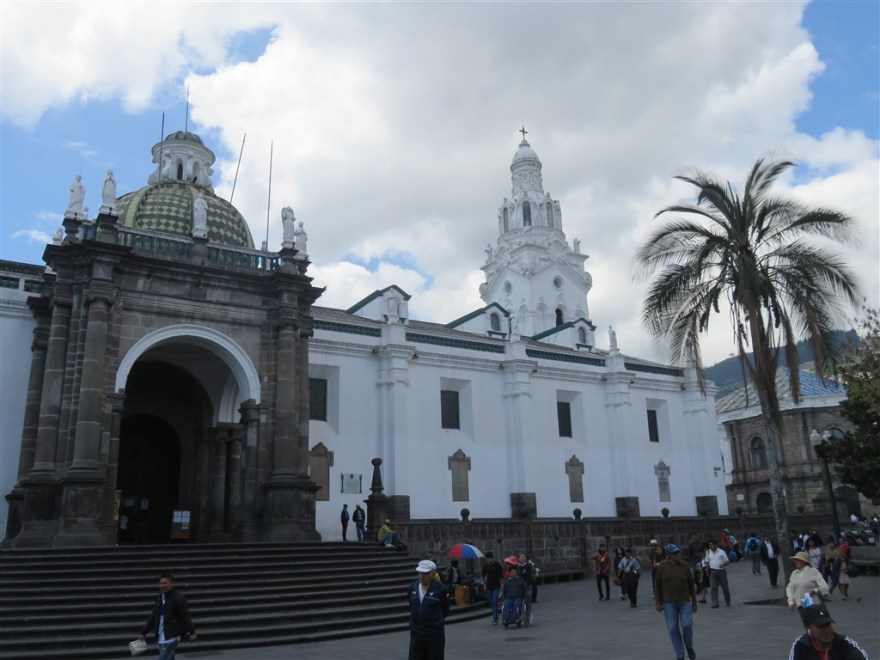
Next to the Presidential Palace is the Cathedral.
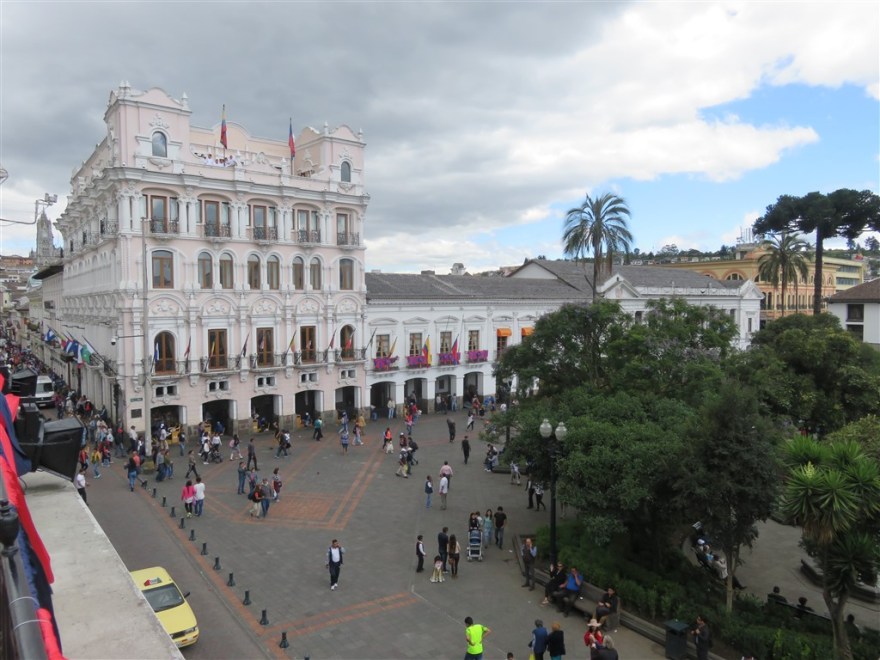
On the other side is the Hotel Plaza Grande and the Mayor’s office to the right with the red and blue drapes. Everything was being draped in red and blue to mark the city anniversary on 6th December.
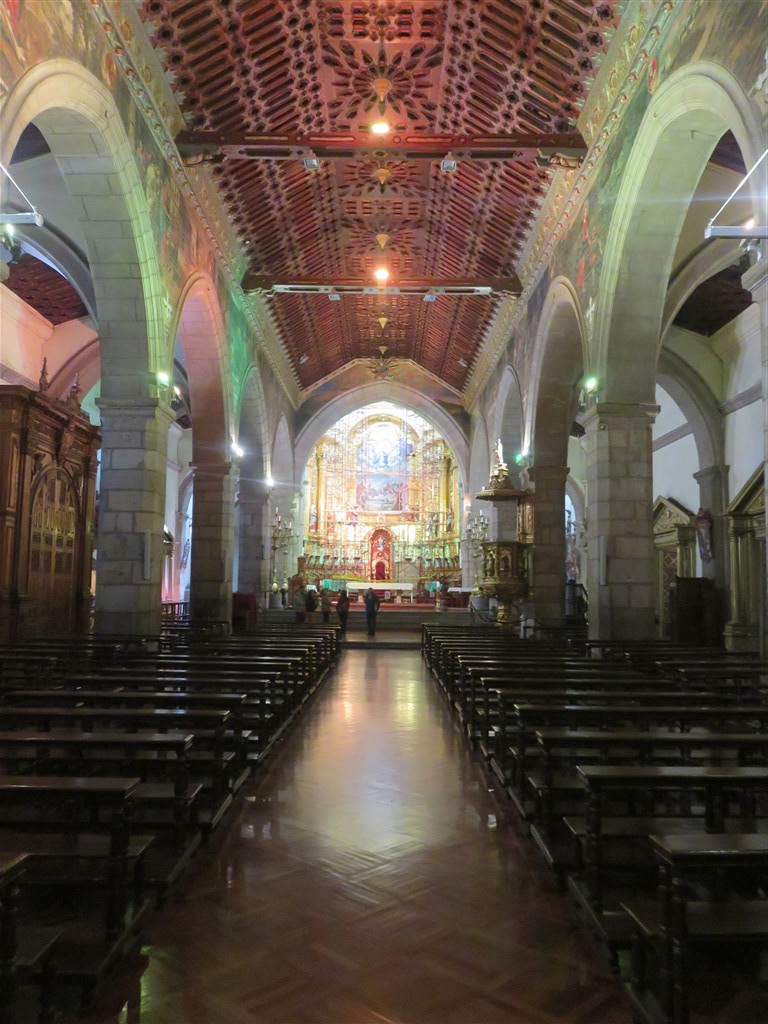
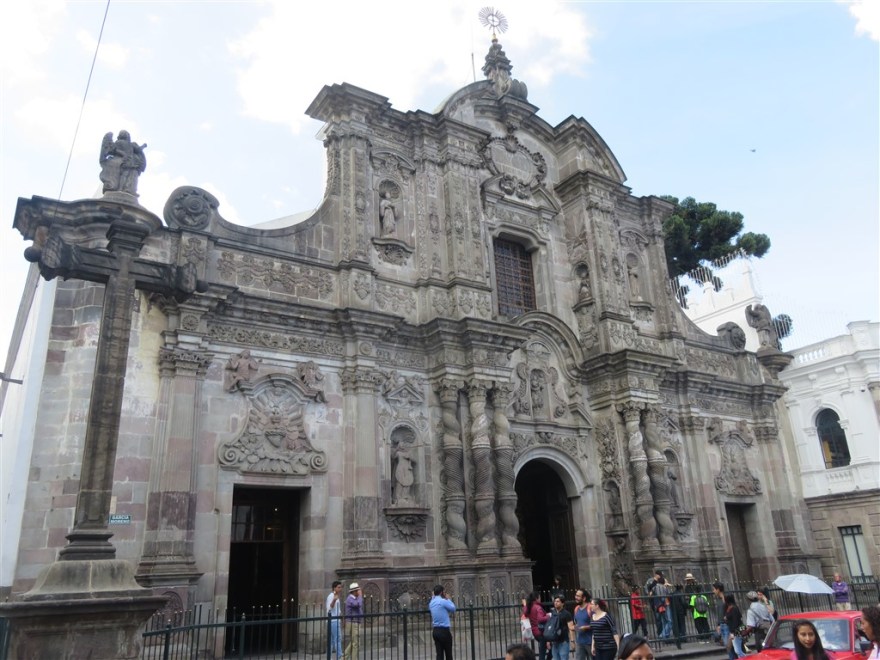
Like all South American capital cities, Quito has a lot of churches. I am more interested in their architecture than what goes on inside. It is amazing what you can build if you have sufficient funds (a bit like Las Vegas). A good example is La Compania.

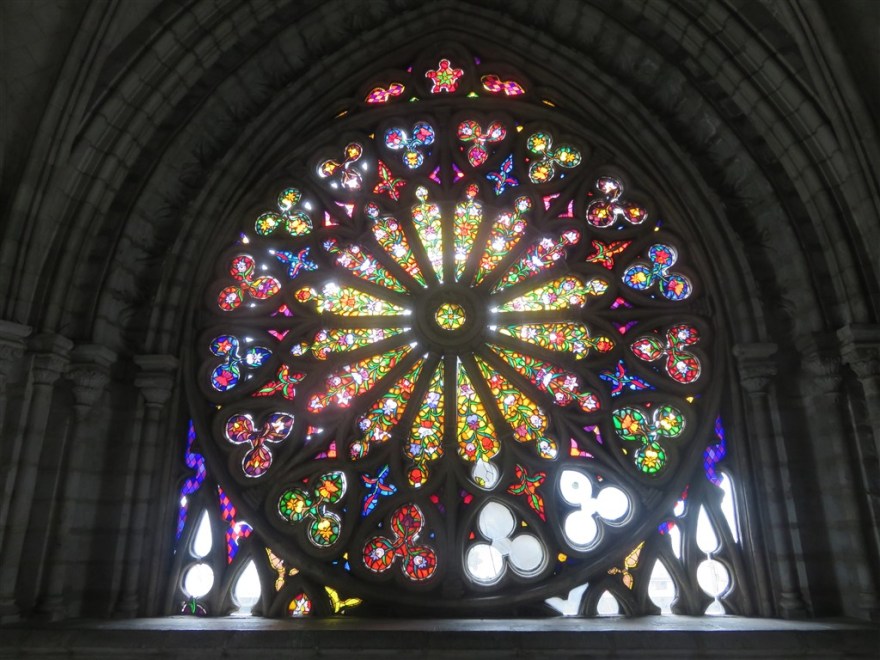
I particularly liked the Basilica because of its extravagant stain glass windows and because you could climb up it.
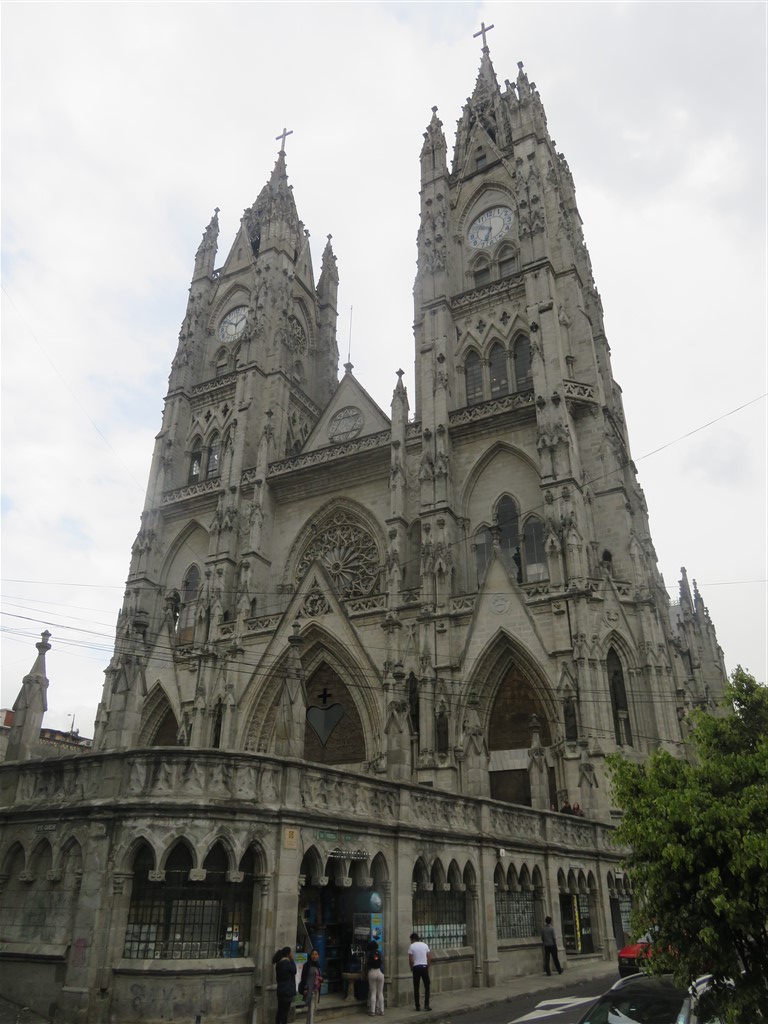

 The climb to the top starts with a 5 story climb up steps in one of the bell towers. From the balcony over the front doors, you have to walk over the roof of the main church on a very narrow wooden walkway and up some steep steps at the end.
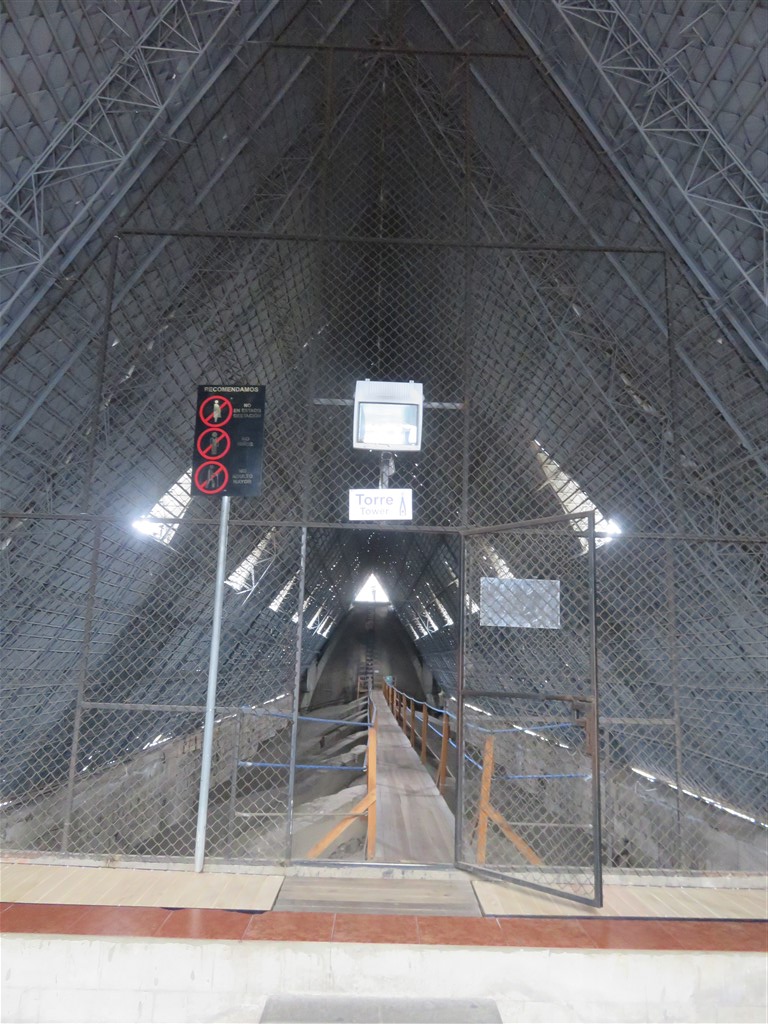
Once outside on the roof, you have a couple more sets of steep steps..

which gets you up to the viewing platform in the central tower. Don’t attempt this is if you are at all uncomfortable with heights!


However. my favourite was the Church of San Francisco and its Monastery next door. It is the largest colonial structure in the city and its construction started just a few weeks after the founding of Quito in 1534.
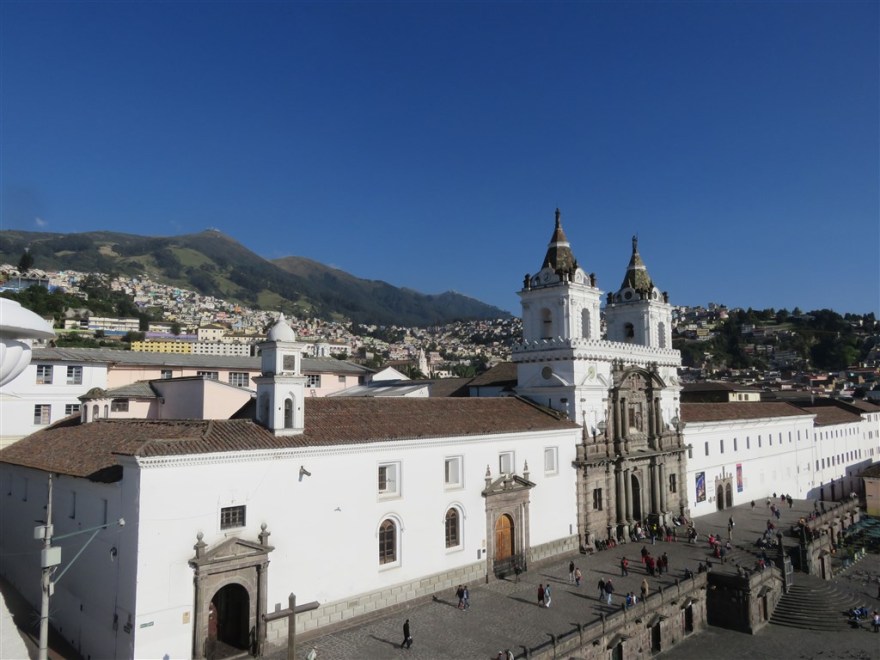

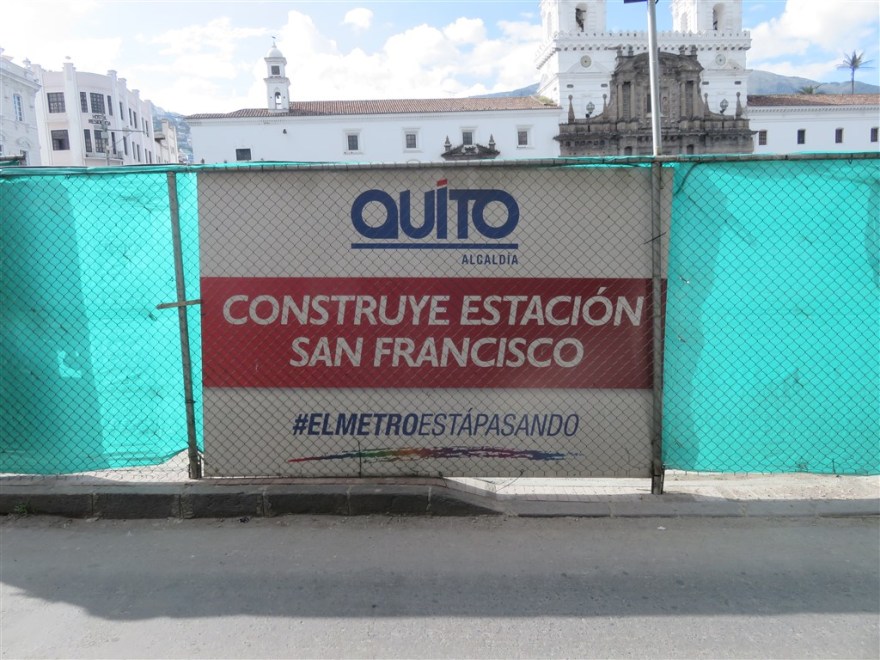
Unfortunately, the view from the plaza outside is currently disrupted by the building work underway on the new Quito underground.
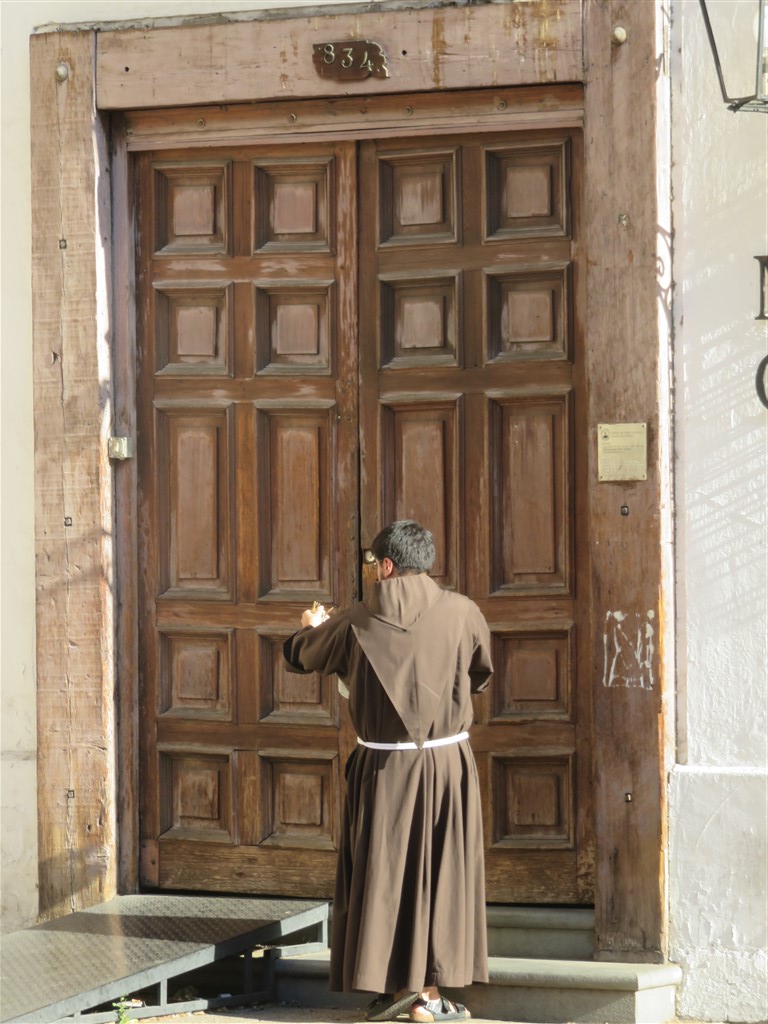
The Monastery is equally impressive.

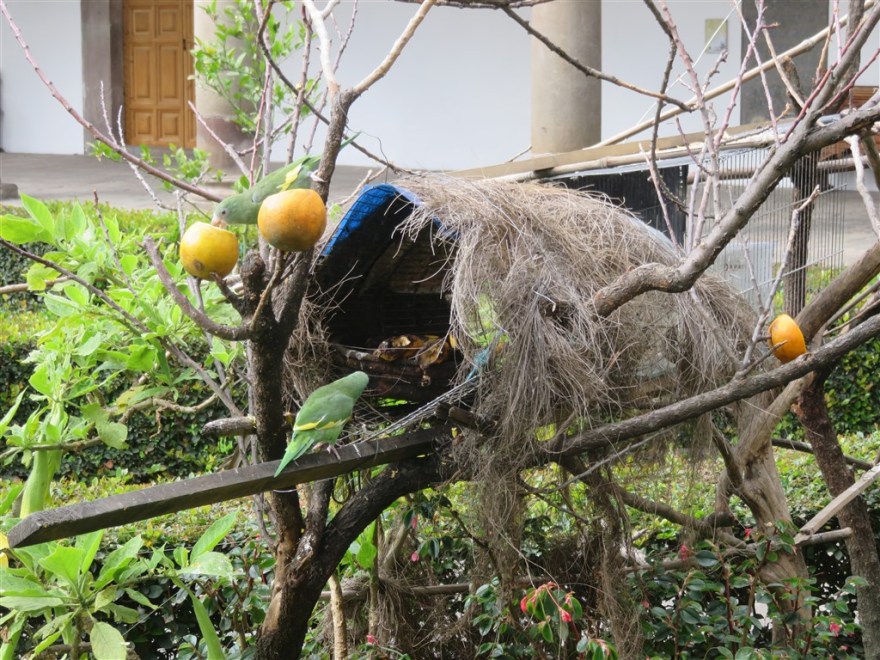
Along with the Monk’s bird table.
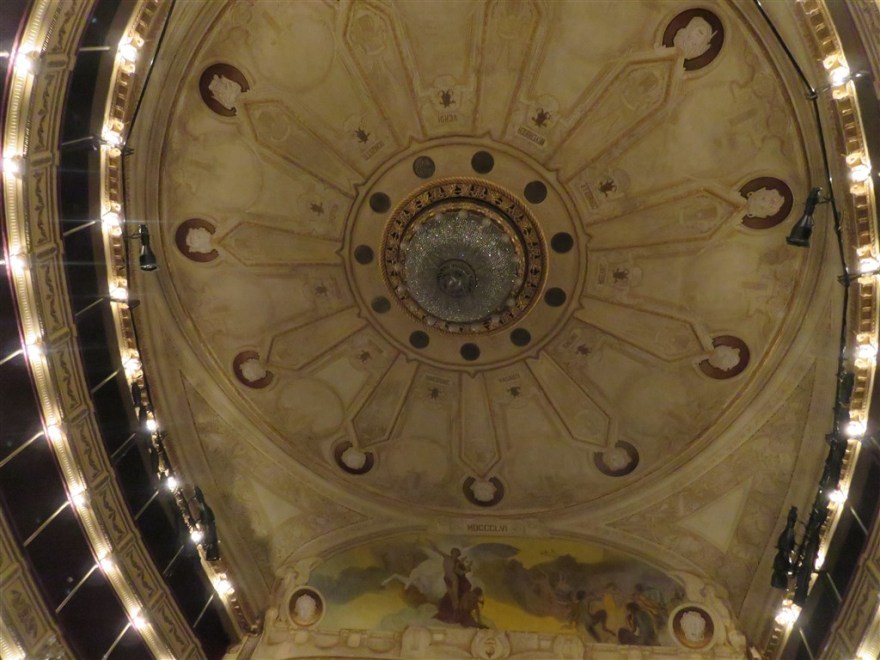
Quito has some lovely old theatres as well. Teatro Bolivar was built in 1933.

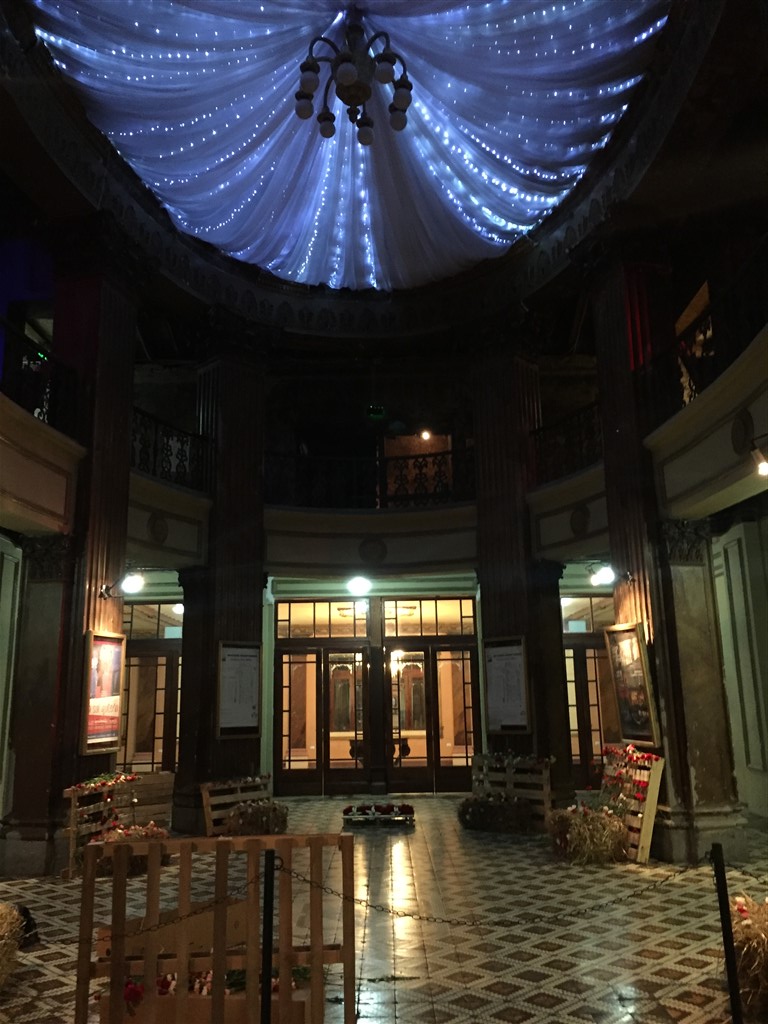
The Teatro Sucre is Quito’s main theatre.
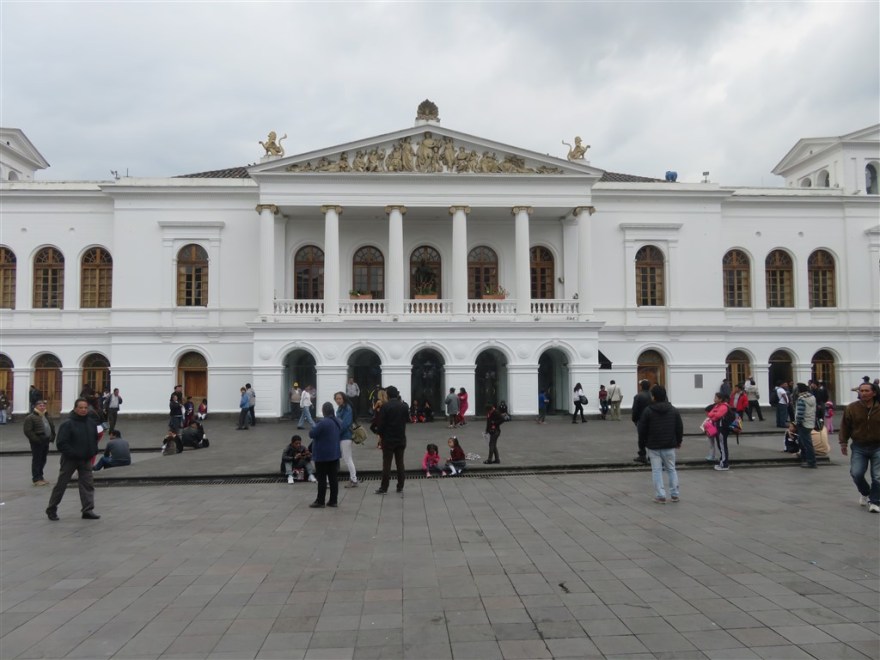
Unfortunately, neither offer tours or provided an option to sneak in and have a look.
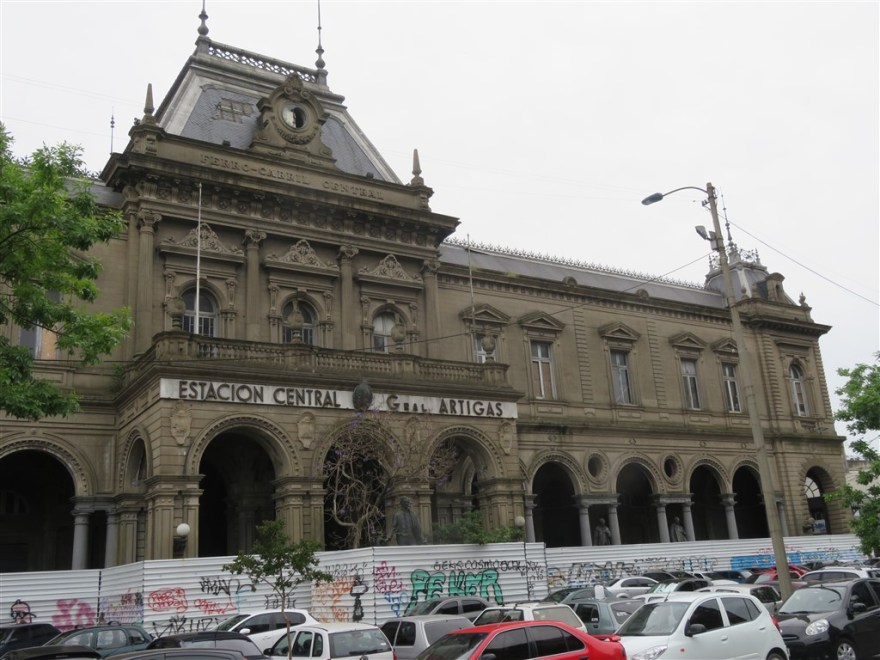
Quito’s train station has recently been restored and is again offering a service to Guayaquil. The Ferrocarriles del Ecuador Empresa Publica (FEEP) (Ecuadorian Railways Company) dates back to the 1860’s but it took until 1908 for the service to reach Quito. However, heavy rain in the 1990’s and general neglect led to only 10% of the railway being open at the time of its centenary in 2008.
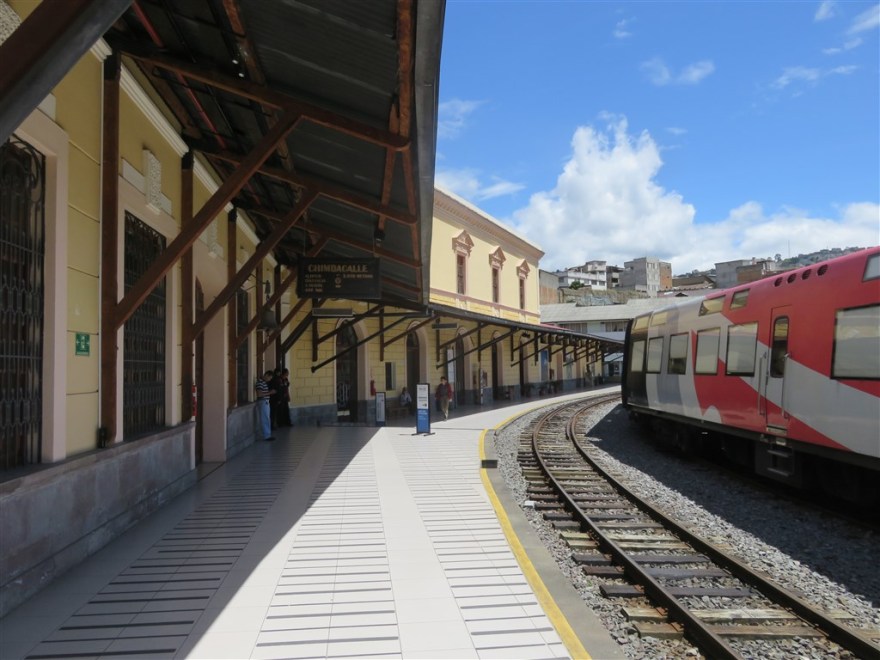

The President announced a restoration programme in 2008 and the Quito to Guayaquil route reopened in 2013. Now mainly a tourist service, several other routes are offered by Tren Ecuador (www.trenecuador.com). The luxurious Quito – Guayaquil service – “The Train of Wonders” – takes 4 days and costs US$1,650 per person.
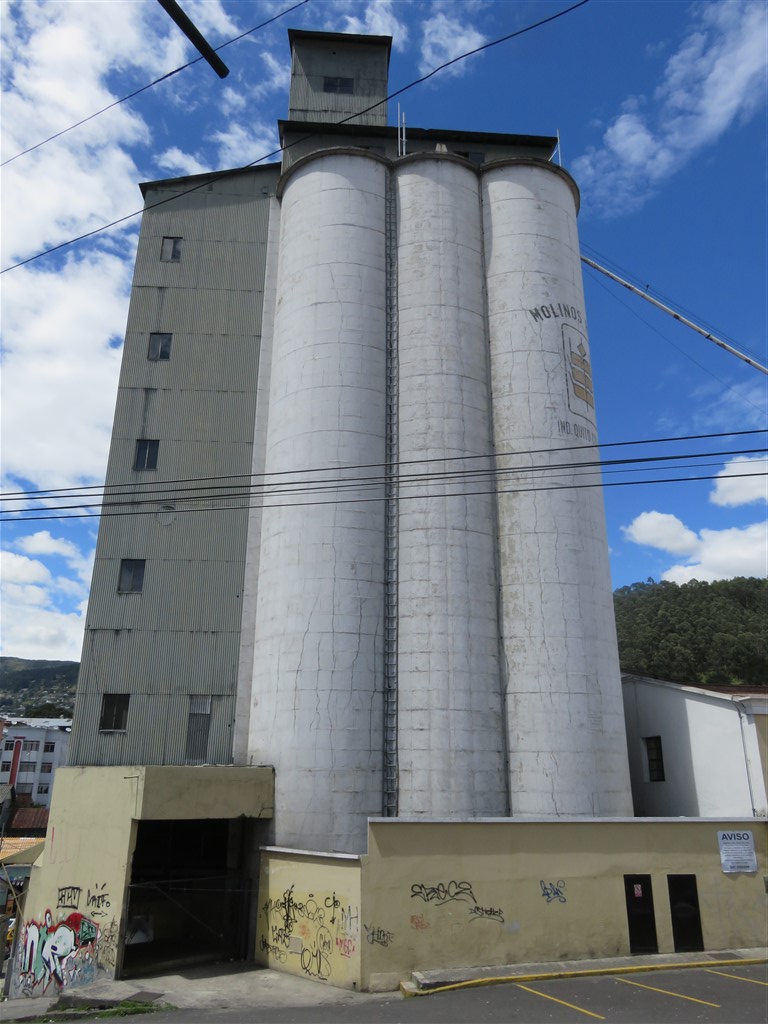
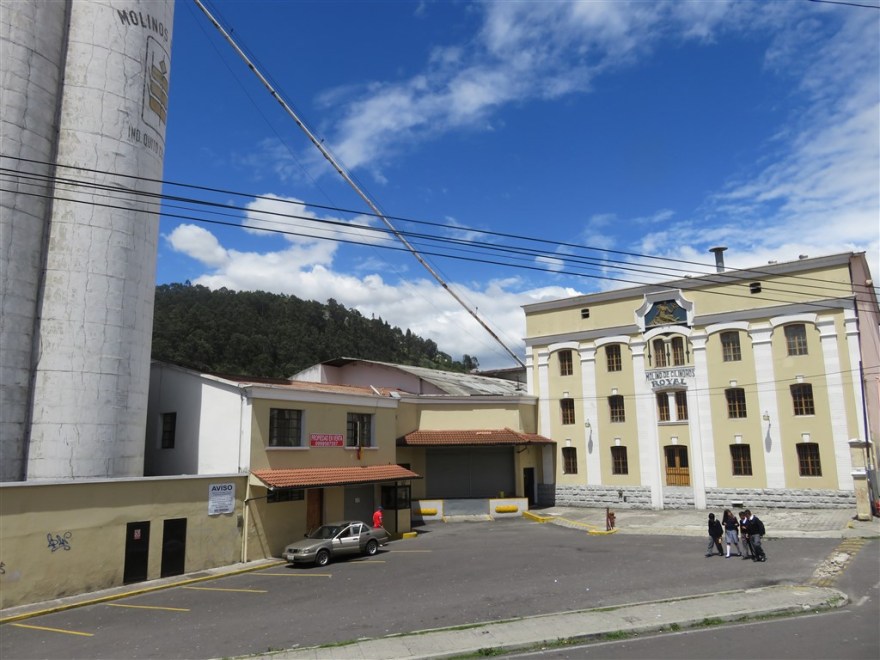
 Outside the station is still evidence of the agricultural business that originally used the railways.
The station café has been re opened and is popular with the railway staff.

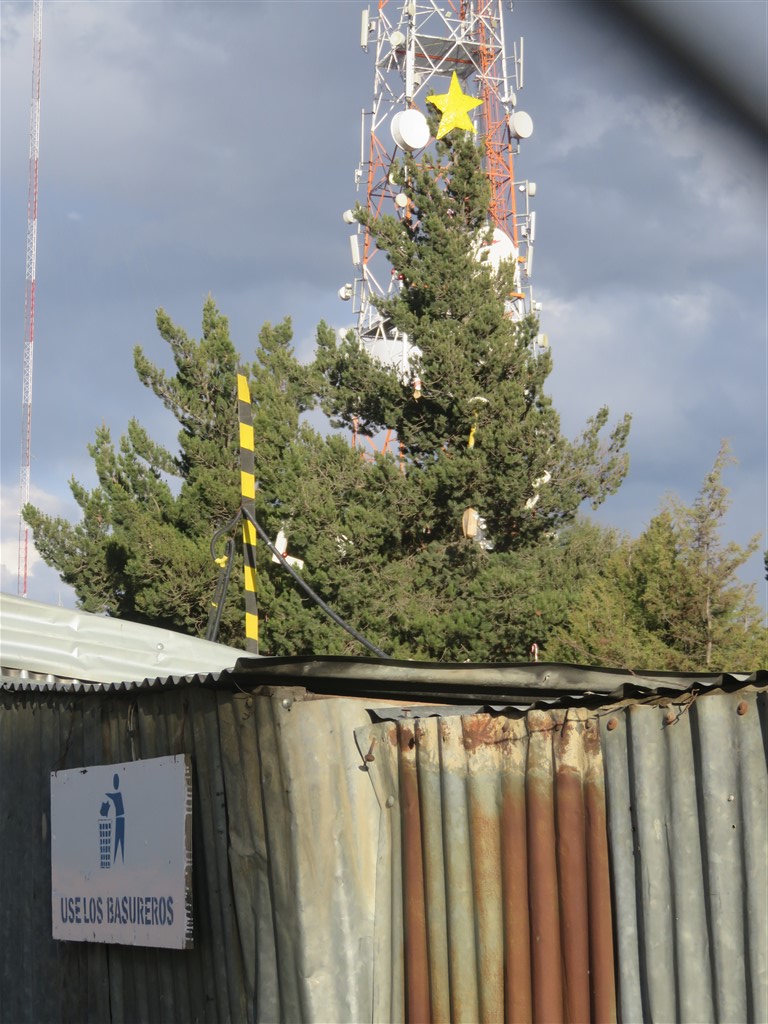
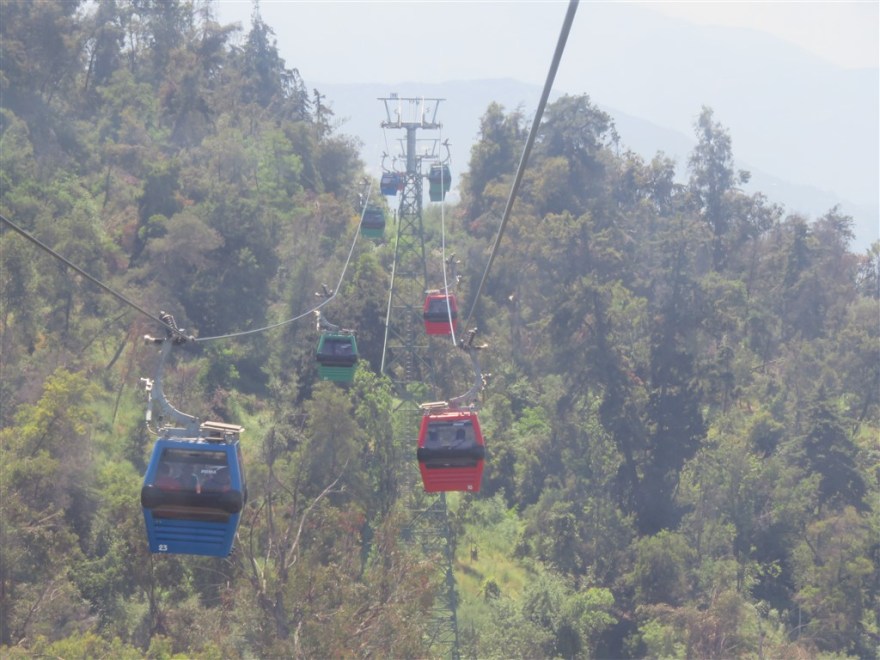
Quito also has cable car service up the side of the Pichincha Volcano – The TeleferiQo (www.teleferico.com.ec). Unfortunately, the city view from the station at the top is partially obstructed by the Telecoms satellite dish and aerial site immediately in front. The service is mainly used those wanting to hike up to the volcano crater.


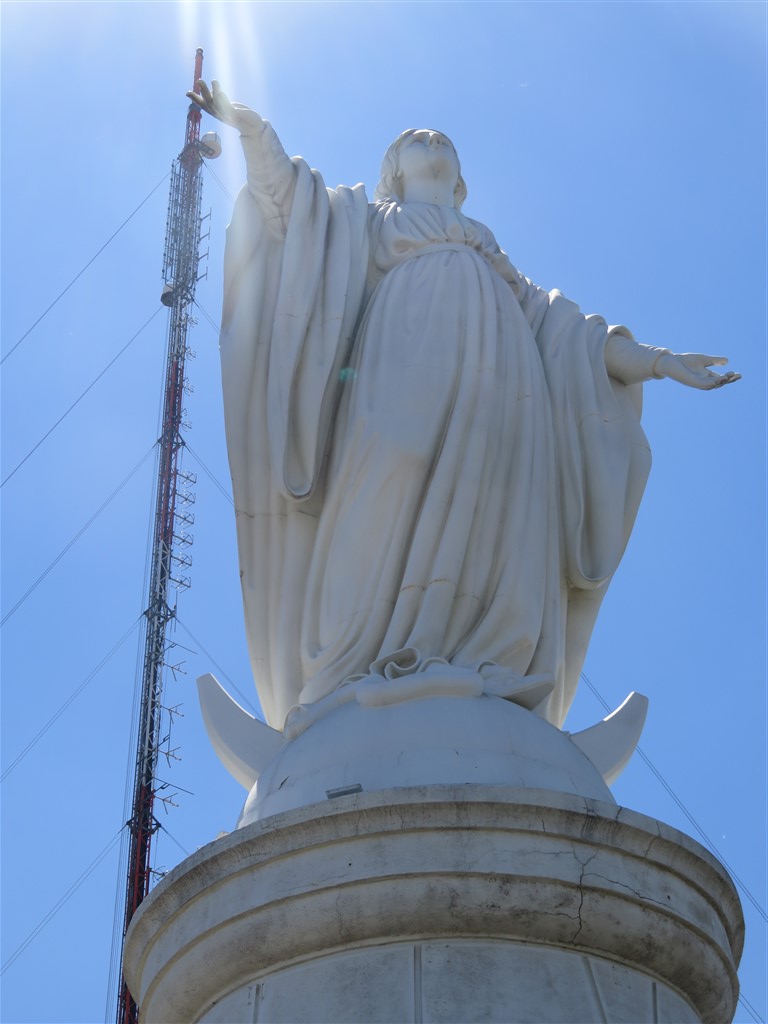
The original city is overlooked by a hill called El Panecillo which is topped by a huge statue of La Virgen de Quito.

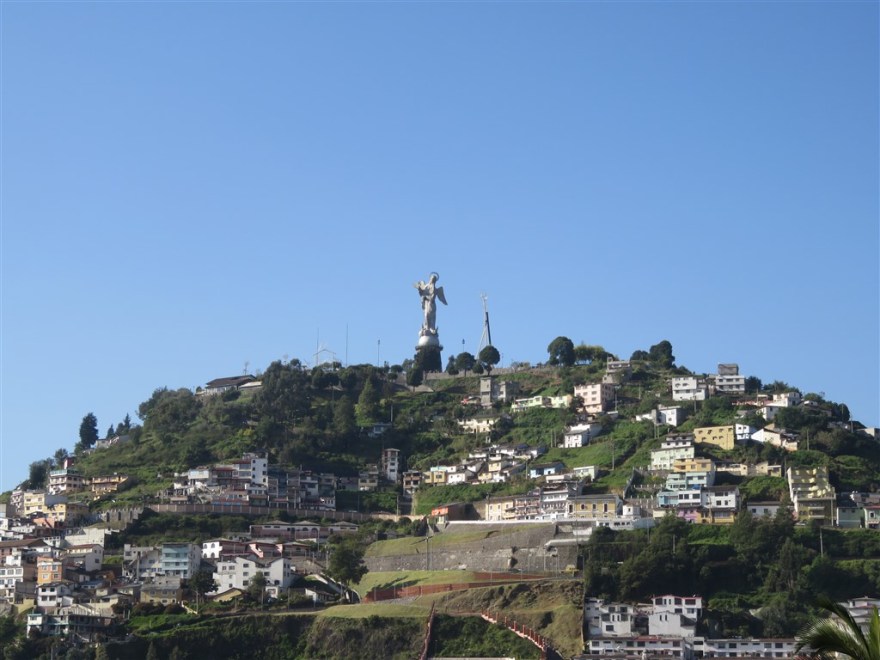
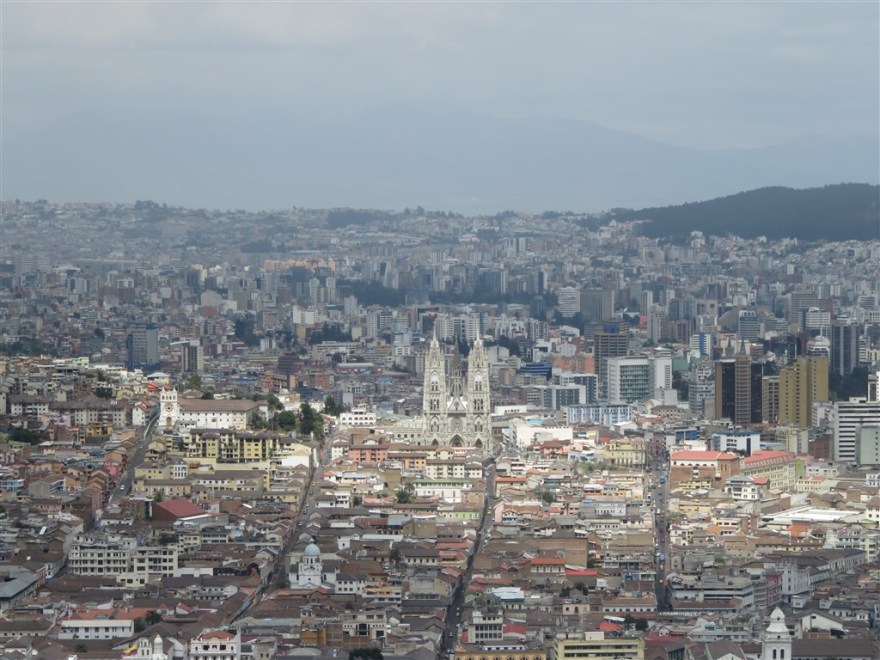
There are great views from the hill of the historic district.
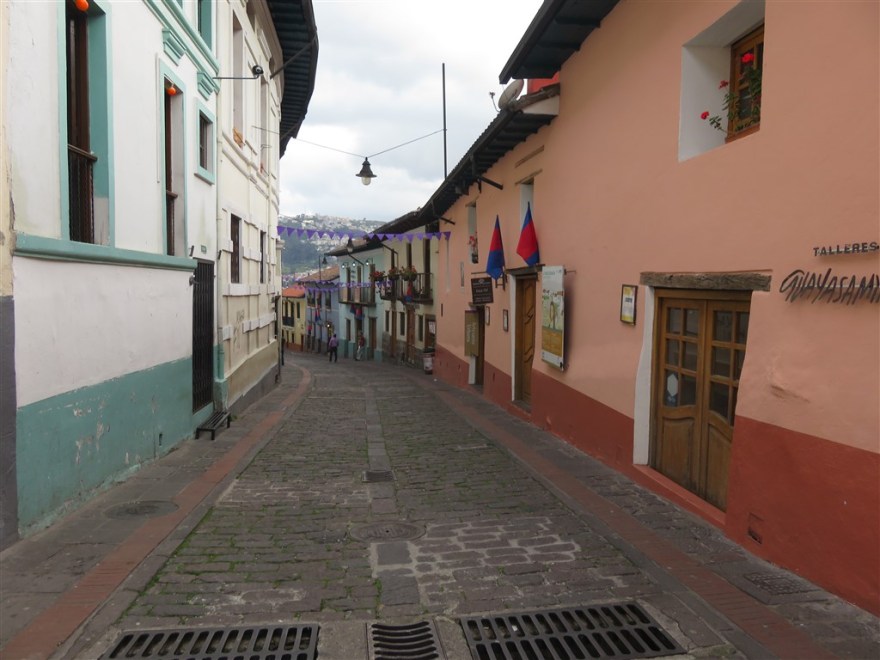
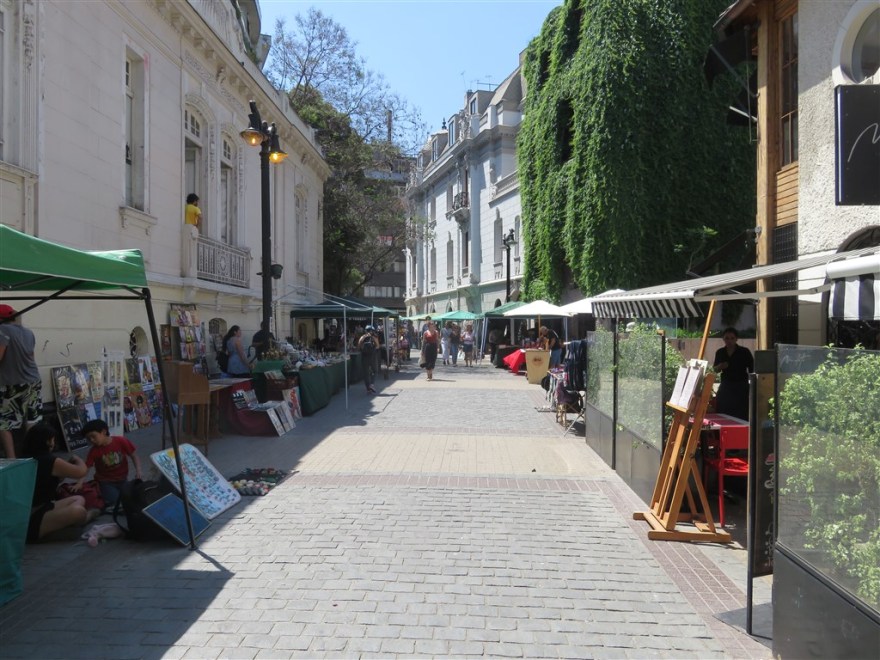
La Ronda is a restored narrow cobblestone lane lined with picture perfect tourist restaurants and shops.
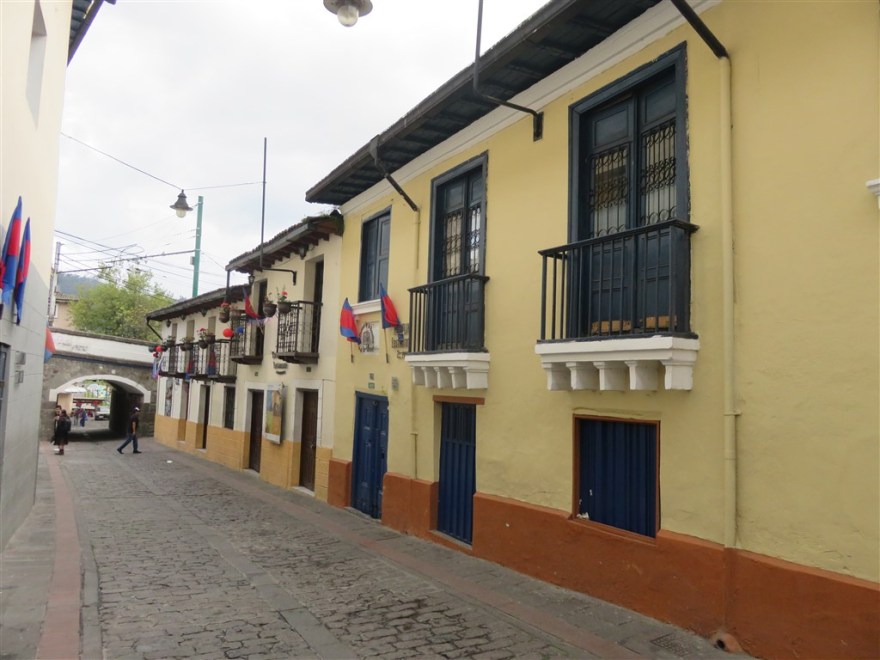
In my view, the original streets in the historic district are more interesting.
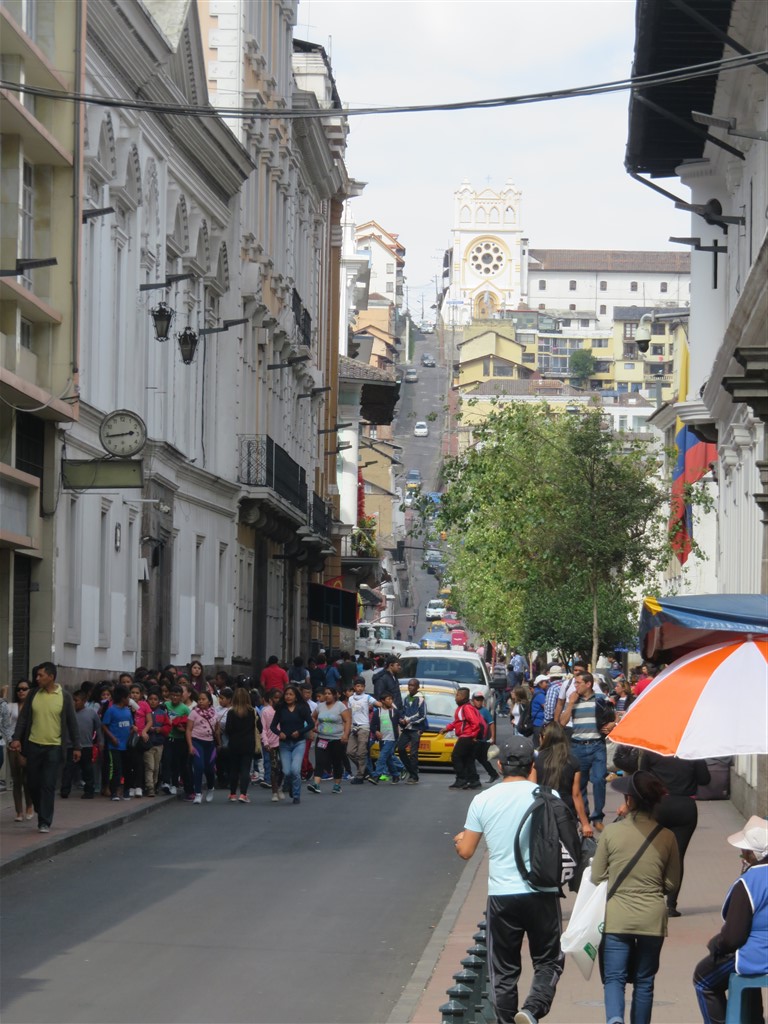
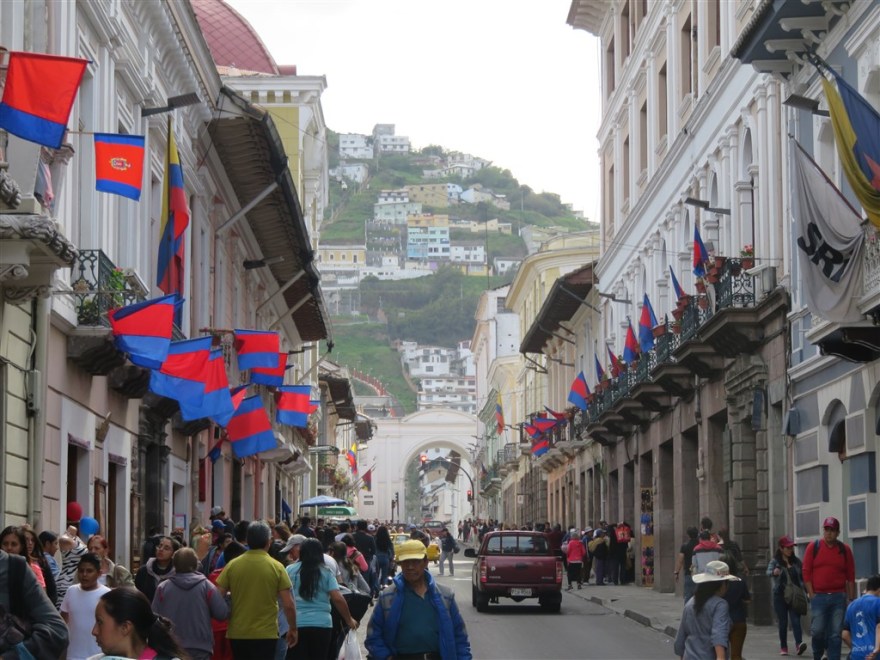

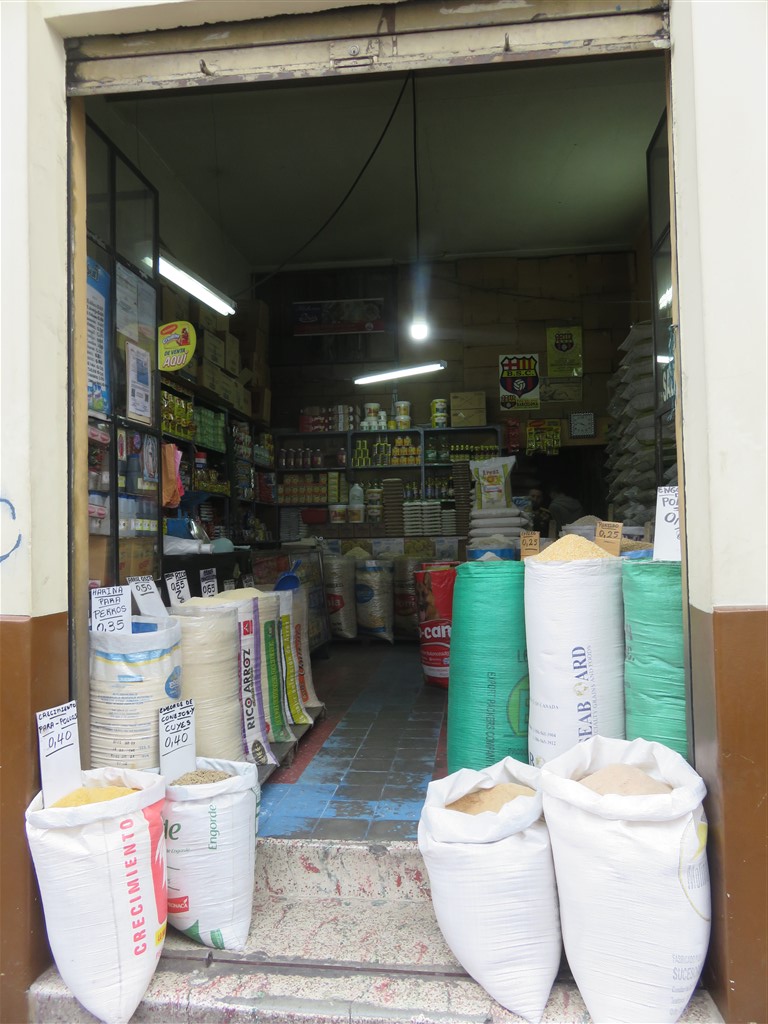
With their diverse collection of shops.

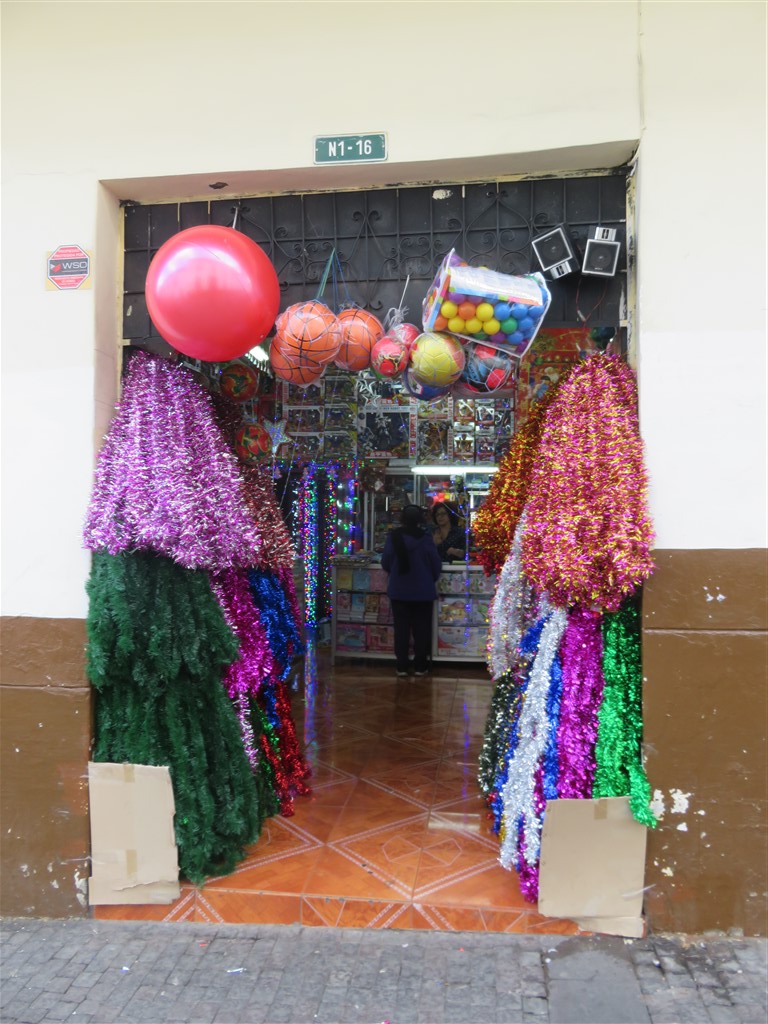
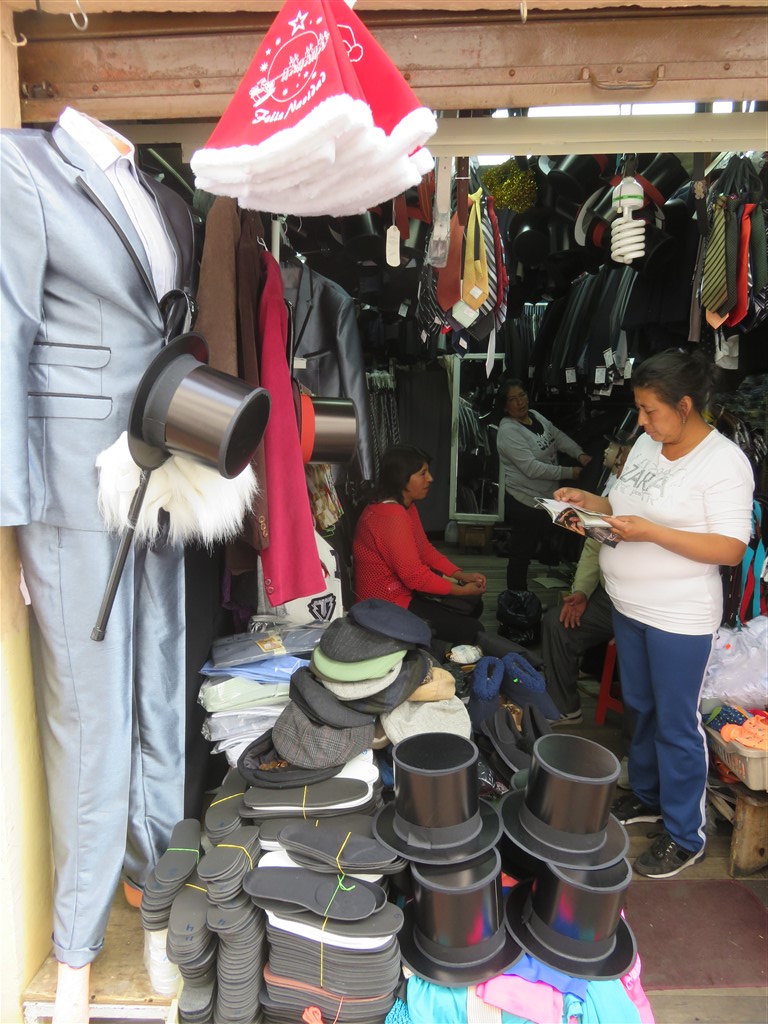
The shops were stocking up for Christmas. I never found out what the relevance of the plastic top hats was but they were being sold alongside Christmas decorations in most shops.
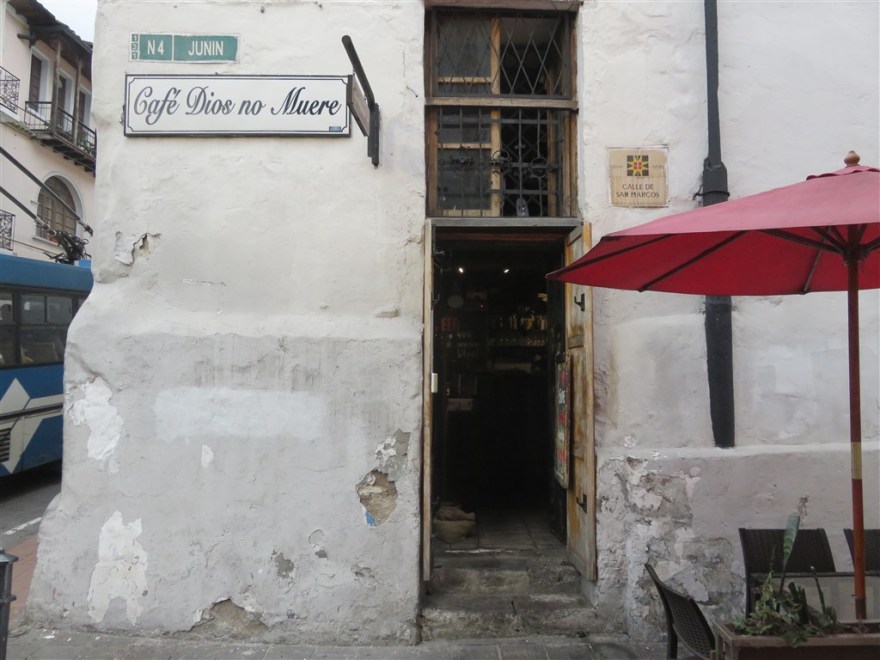
My favourite restaurant in the city was Café Dios no Muere (www.cafediosnomuere.com)

I spent a couple of nights in the Hilton Hotel in the new town but found nothing worth writing about in this part of the city. My main memory of the area was the rather annoying party trucks that went past every 10 minutes.

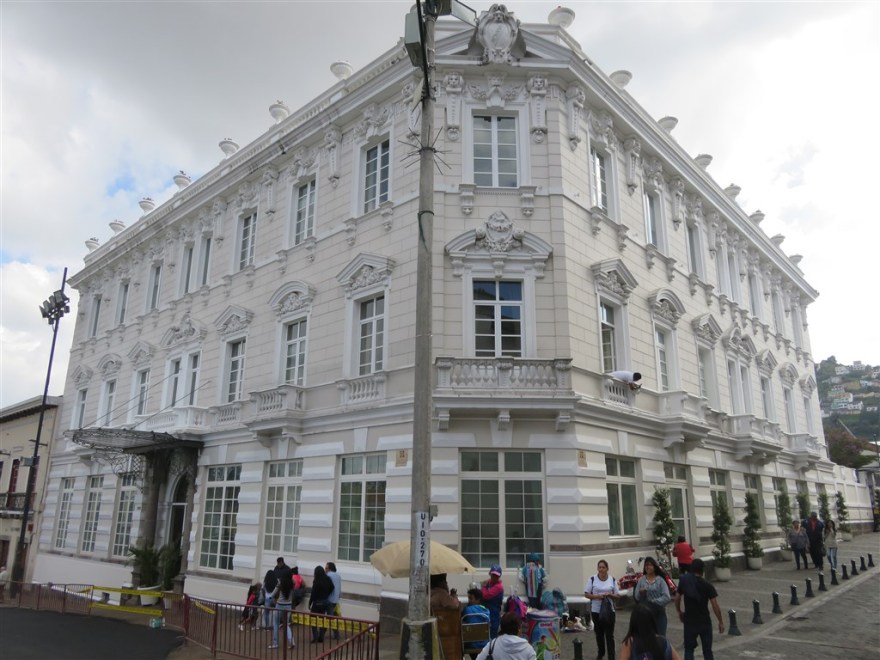
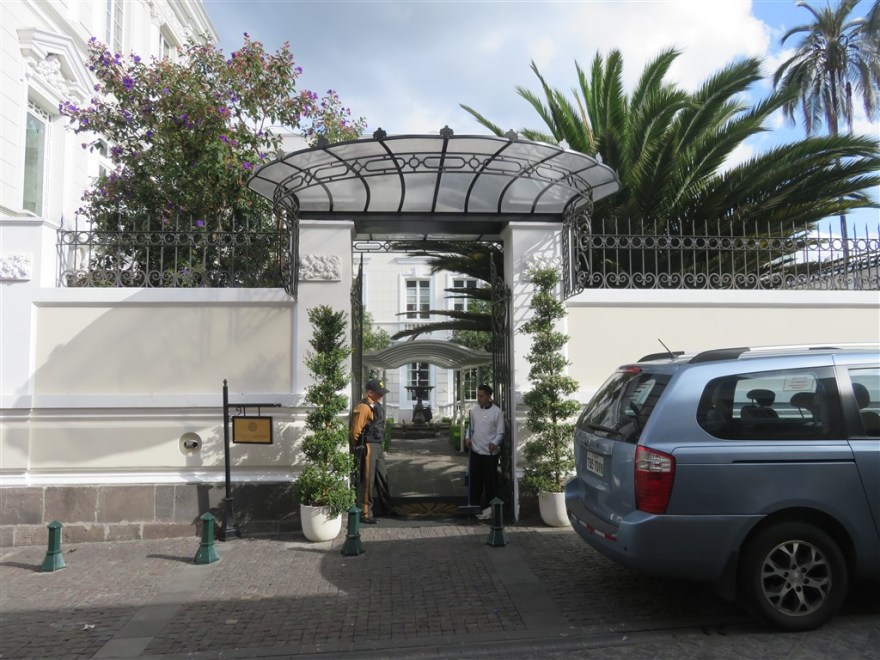
I returned to Quito for the last night of my trip and forked out on a night in Casa Gangotena. A boutique hotel in a restored mansion on Plaza San Francisco.

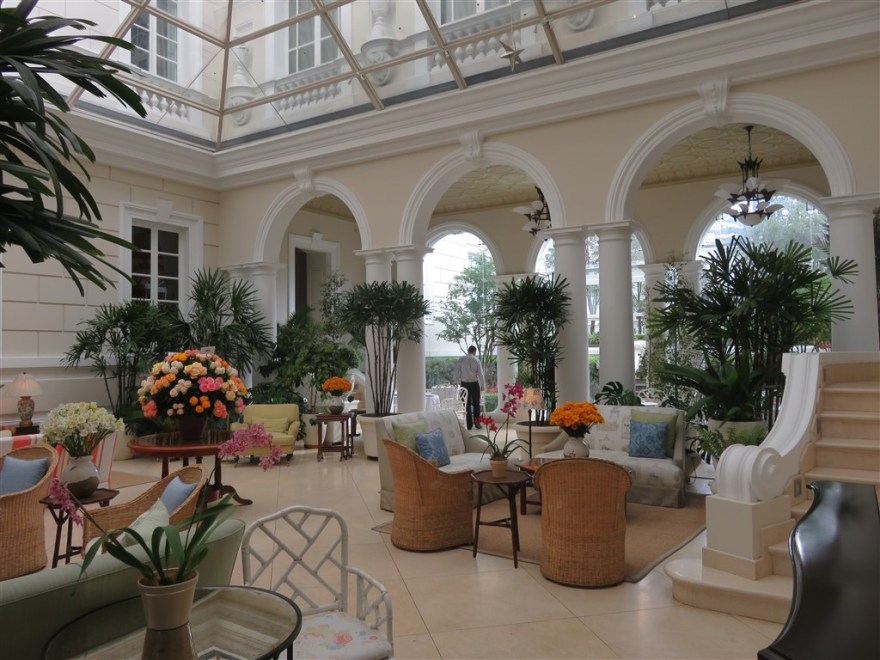
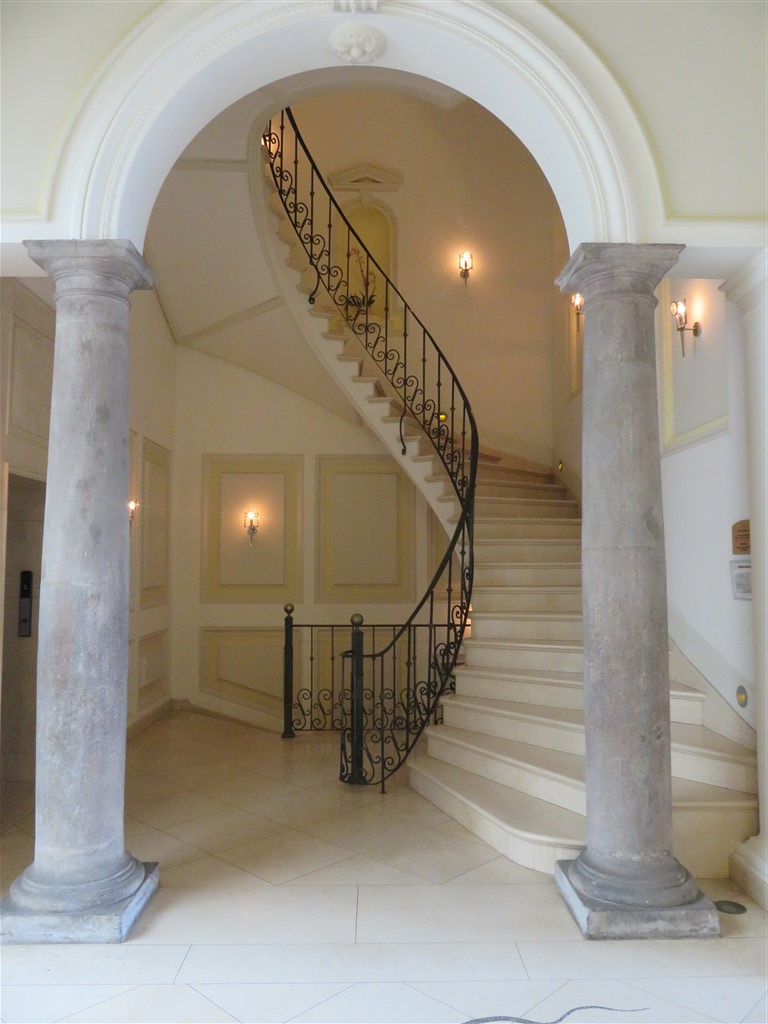
Like everywhere else in Quito, the hotel had lots of roses.











































































































 Escape from Ealing