I arrived in Albany, my furthest point south on this trip, on 20th February. I booked into a hostel called 1849 Backpackers which differentiated itself on having a stage and selection of musical instruments (which luckily neither I or any of my fellow residents took advantage of during my stay) and offering unlimited pancakes for breakfast (which I did take advantage of).


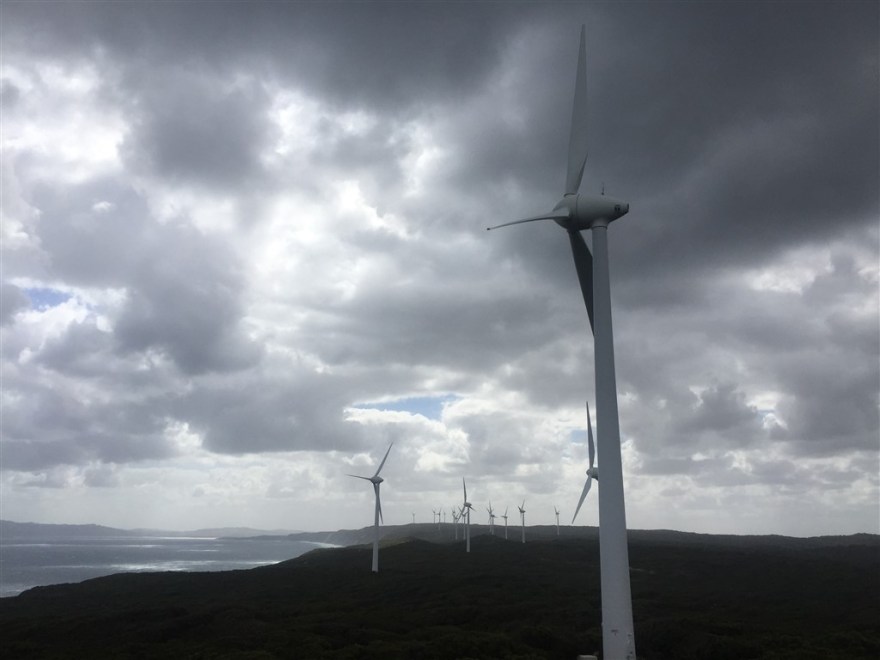
Albany is the oldest permanently settled town in Western Australia, predating both Perth and Freemantle. Having been very lucky with the weather on my way south, this changed in Albany. This wasn’t a big issue as my intention was to focus on the history of the town rather than the geography. The changeable weather can be seen in the photography.
Albany is probably most well known in Australia as the departure point for many of the ANZAC (Australian and New Zealand Army Corps) convoys to Egypt and Turkey – the first convoy leaving on 1st November 1914. (Others left from Freemantle) To mark the centenary, the National ANZAC Centre was opened in Albany in 2014.
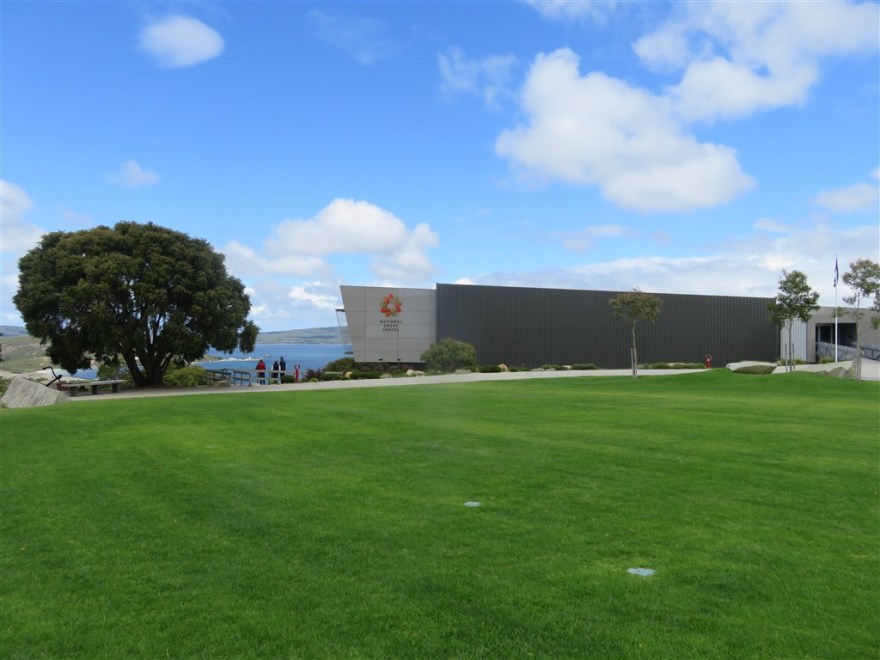
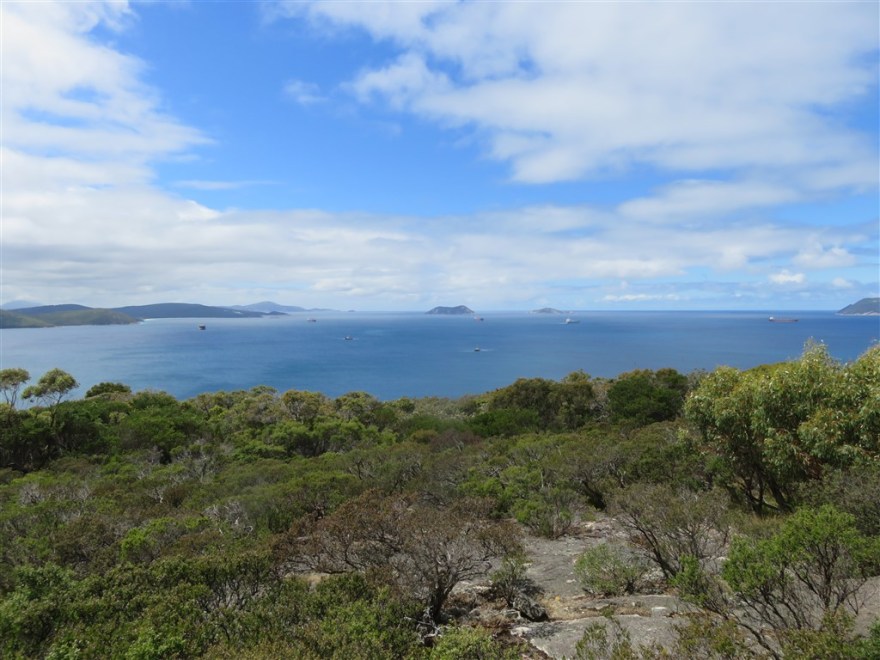
Located on the side of Mount Adelaide, looking out over King George Sound, it is one of the most impressive museums I have ever visited. It tells the story of the thousands of men and horses that left from Albany to fight in World War I. Over a third of the men, and all but one of the horses, would not return.


The centre is located in the grounds of the Princess Royal Fort which was active from 1893 until the early 1970s. In addition to the centre itself, there are many exhibits in the grounds of the Fortress – including the restored Victorian buildings and the Convoy Walk, which references every ship that left Albany.


Another important part of Albany’s history was the whaling station that was in operation from 1952 until 1978.
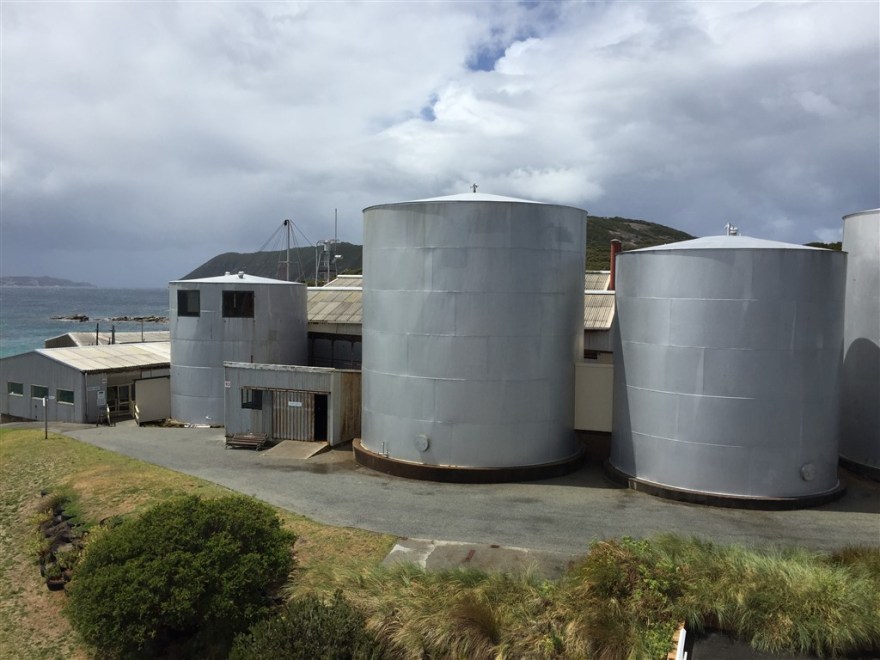
It is now a museum that describes the history of the local whaling industry and the process of extracting the oil in pretty explicit and gory detail. The station had three ships and a spotter plane that caught over 1,000 whales per year.
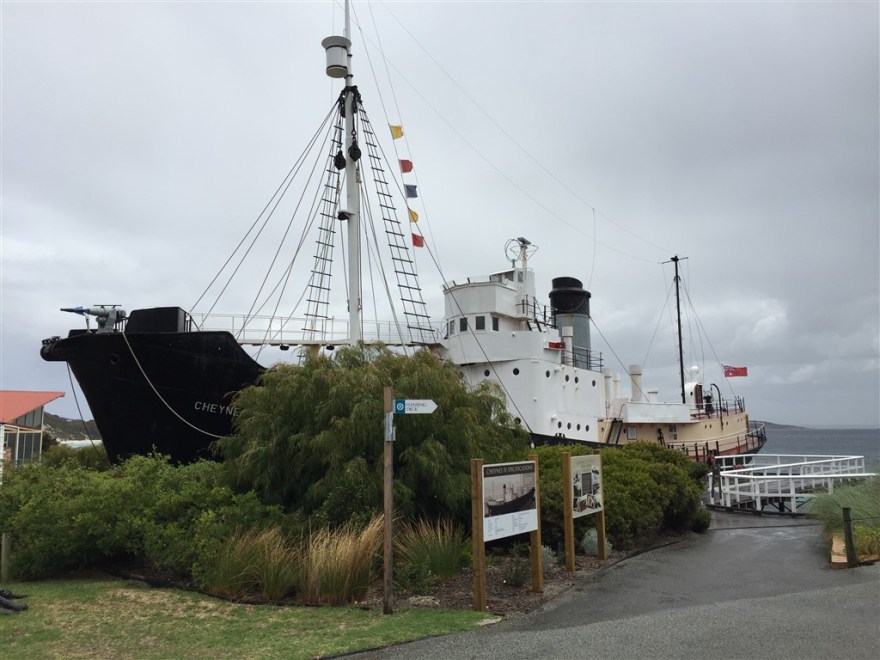
Once caught and towed to the whaling station, a team of Flencers would cut up each whale into small enough pieces to put through holes in the deck that led to the boilers. The oil was used to make soap, margarine, burn in oil lamps and automatic transmission fluid for cars.

Today Albany is primarily a tourist destination, a port and a regional support centre for the surrounding agriculture, forestry and mining industries. Many of the original buildings have been restored.


My personal favourite was the London Hotel.


The port is continually busy with train loads of wood chips and road trains of corn arriving every 24 hours a day.


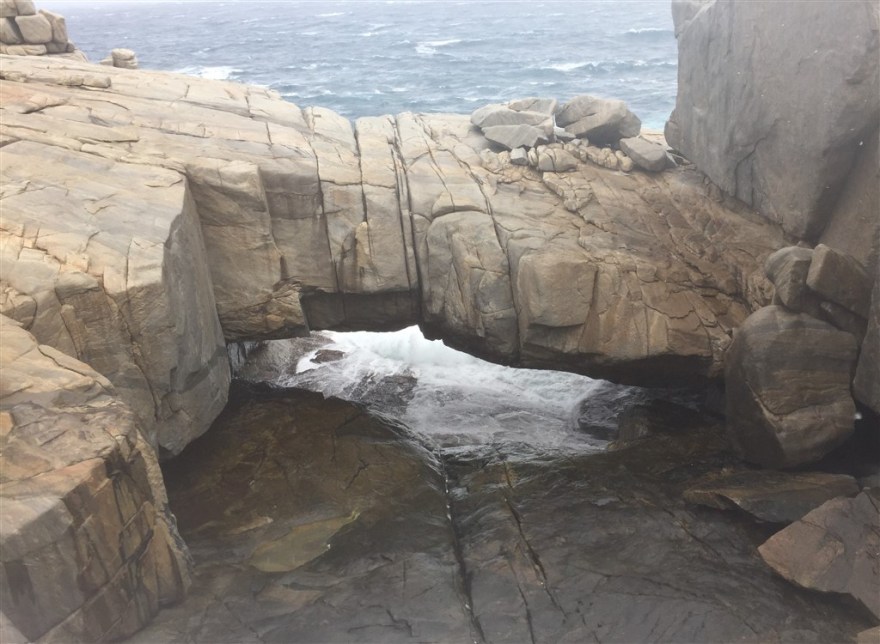
Along the coast of the Southern Ocean there are some popular visitor spots on the rocky coast such as the Gap – a natural channel that has been formed in the granite with an overhanging viewing platform.
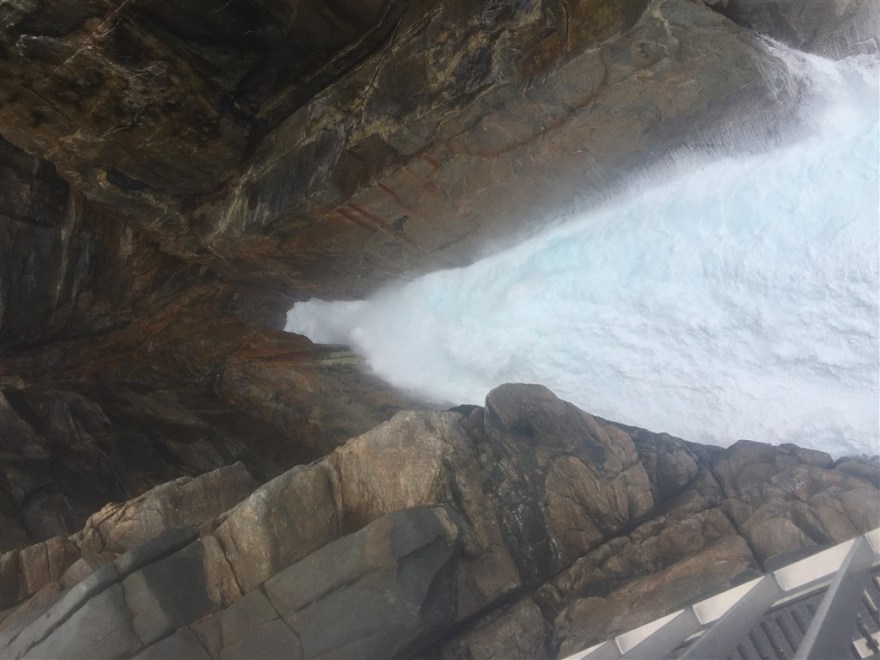
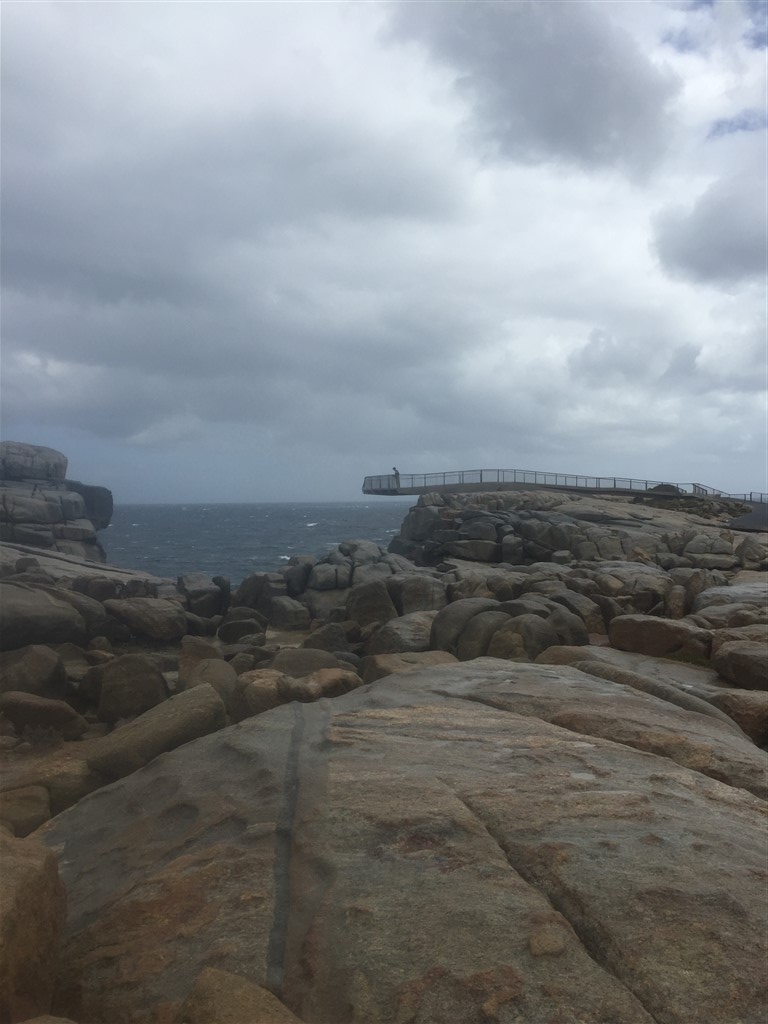 And the Natural Bridge. Both best viewed on windy days!
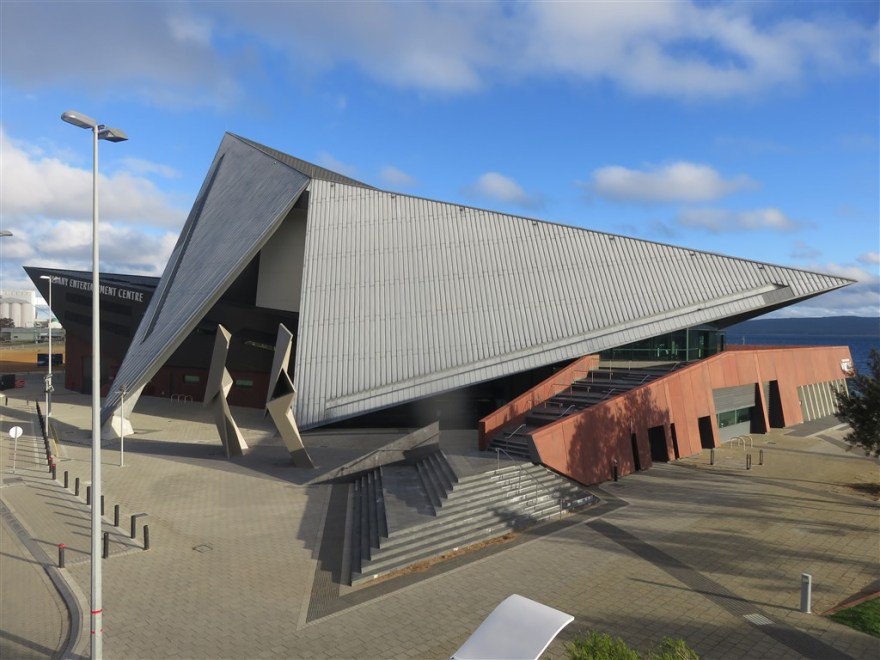
One thing that has impressed me with all of the places that I have visited in Western Australia has been the impressive public facilities (all funded by the recent mining boom). Albany, like many of the other larger coastal towns, has a multi million dollar entertainment centre. I went to see a concert in the state of the art, 1,000+ seat theatre/concert hall.
Having spent 3 nights in Albany, I set off north (back to Perth) on 23rd February.
 Escape from Ealing