Arrived into San Antonio on 10th May and checked into a Motel 6. I noticed it looked very empty but didn’t initially think anything of it. Checked into my room, shut the door and I could hardly hear myself think! Being of the budget variety, these motels are often near major roads but they usually have pretty good sound proofing. This one didn’t and it was right next to an elevated highway. I lasted about 10 minutes in there and had to leave. They were very good and refunded me. I then had to find alternative accommodation at short notice. I found a good deal on a Wyndham hotel that was actually on the river. I blew my budget target but at least I could sleep.
I had first visited San Antonio about 20 years ago and remember the sub level river with its pretty walkways. I headed out of the hotel to see what had changed. It was just as before.
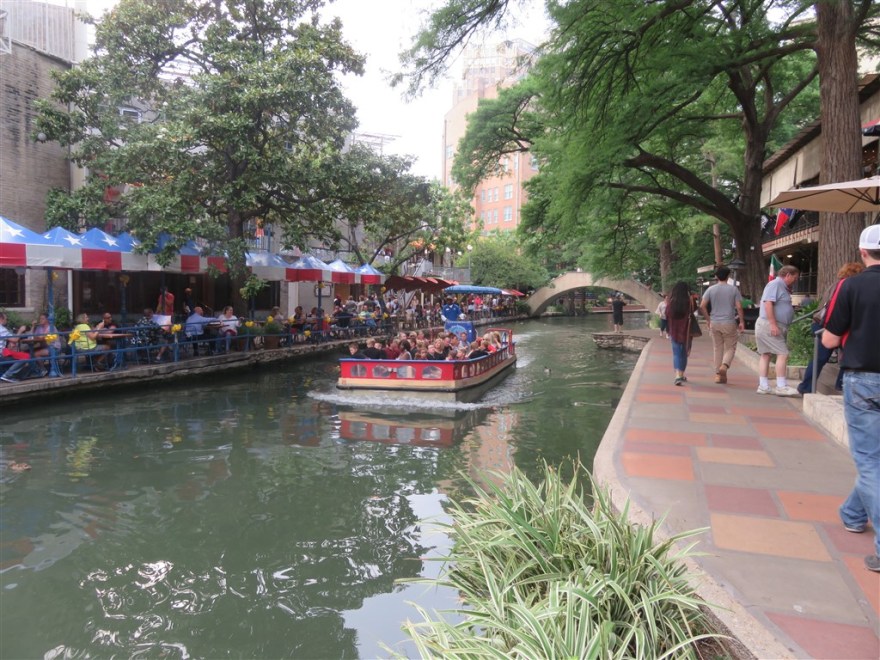
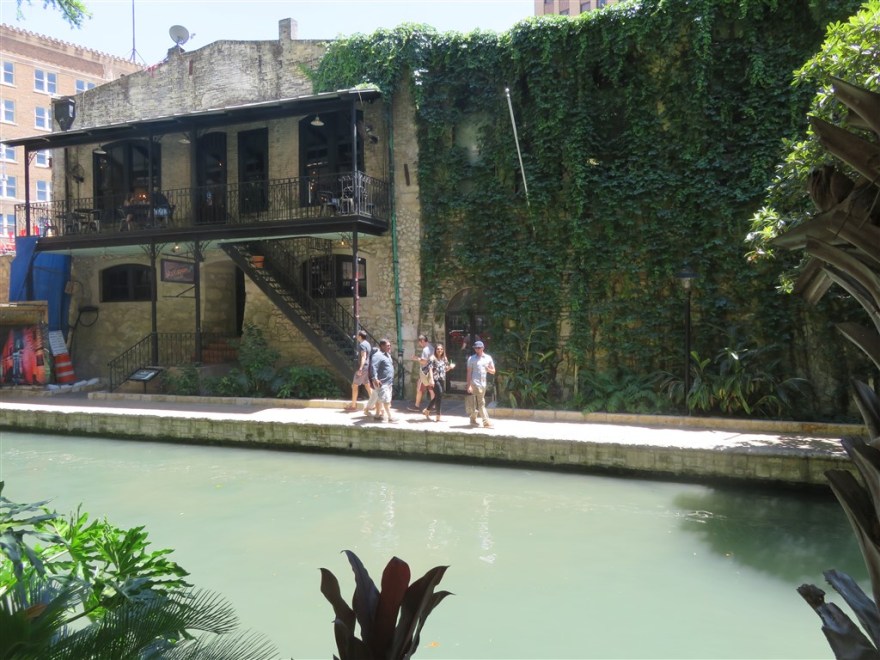
In the centre of the City there are restaurants along the way but the walkways actually extend about 3 miles outside the city in each direction.

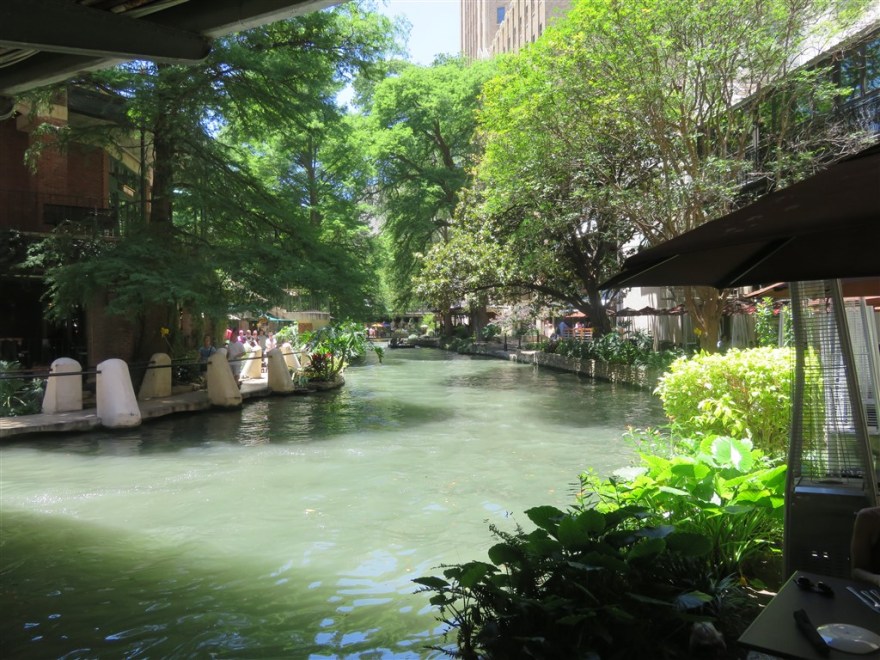
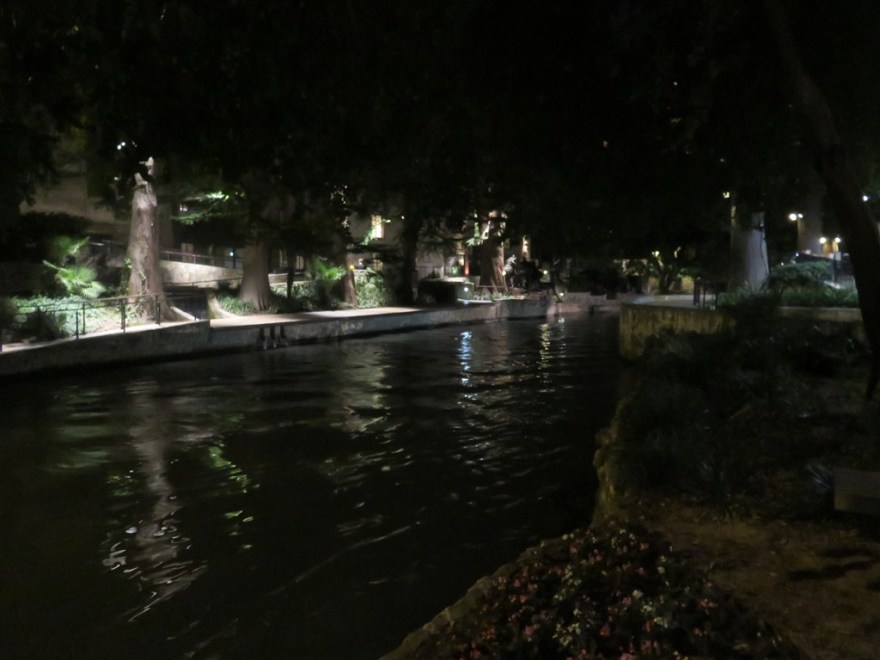
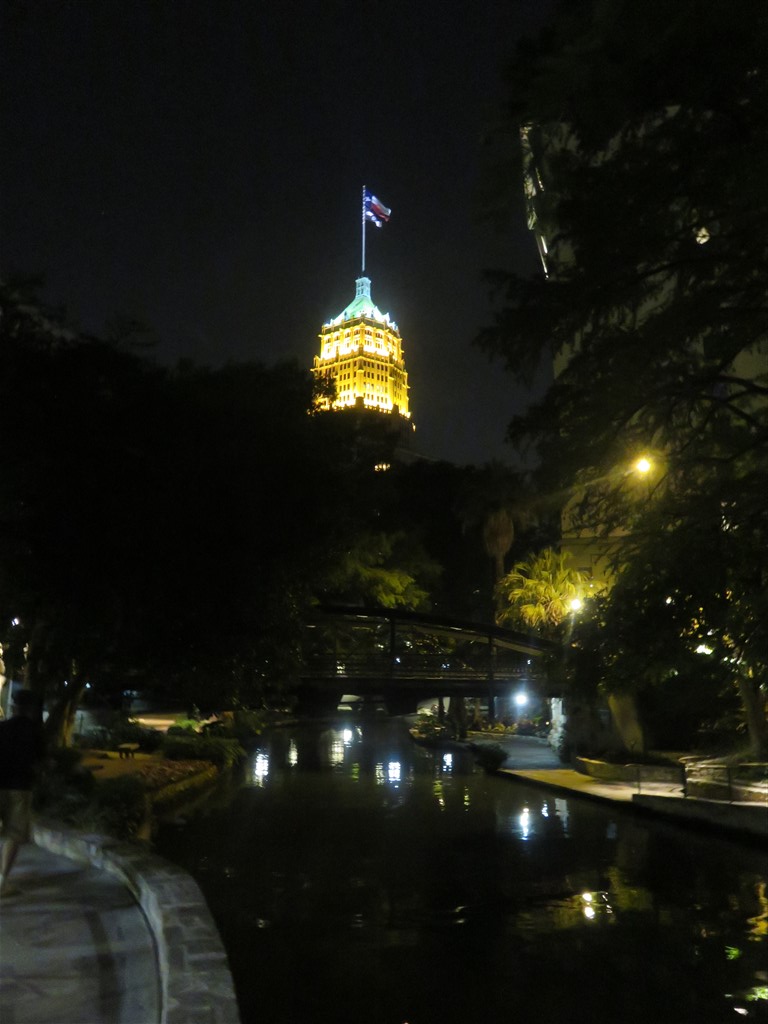
It’s pretty at night too.
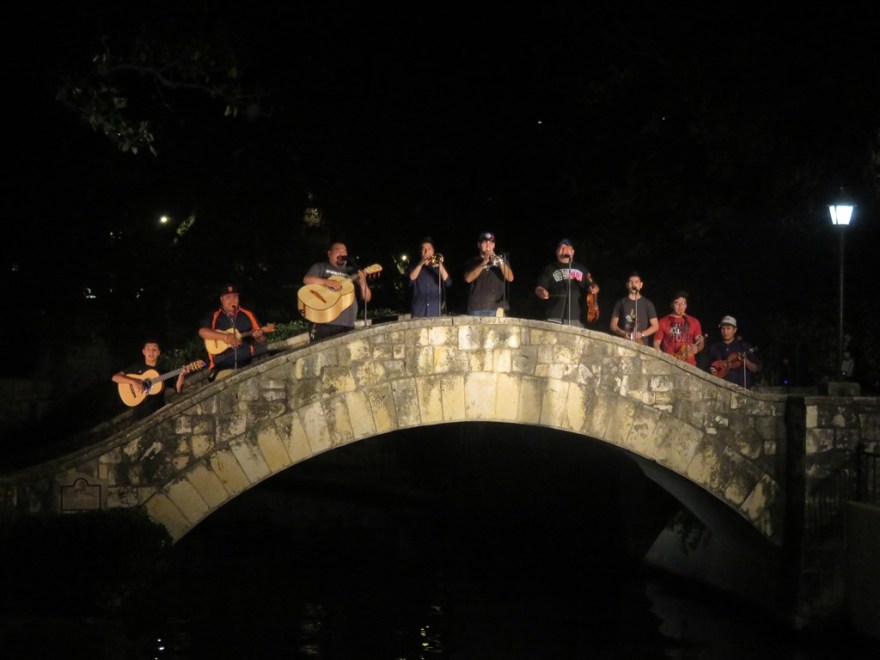
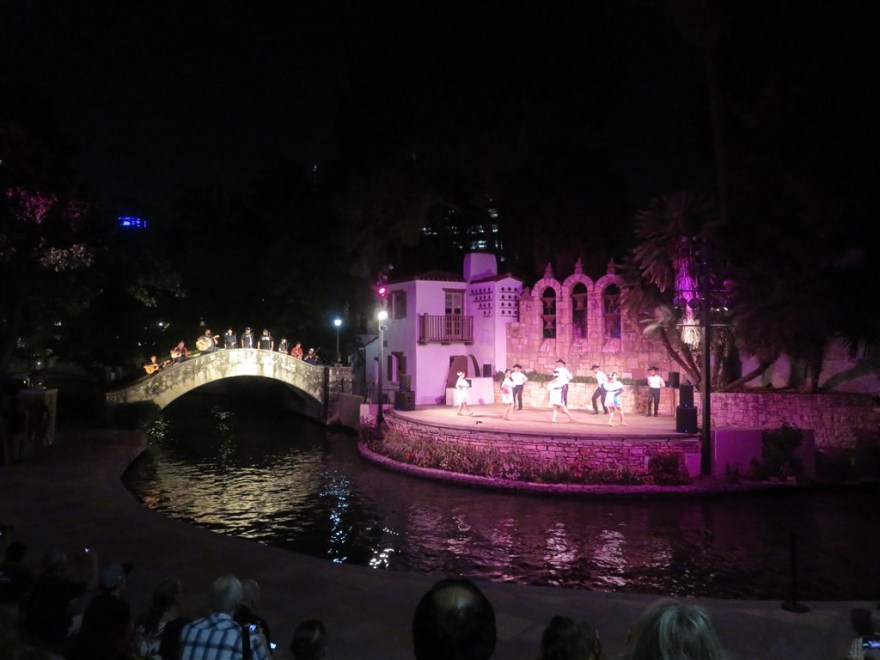
Being just over 100 miles from the border, there is a strong Mexican flavour to everything here – including the show at the Arneson open air theatre on the river walk.
Probably the most well known attraction in San Antonio is The Alamo.
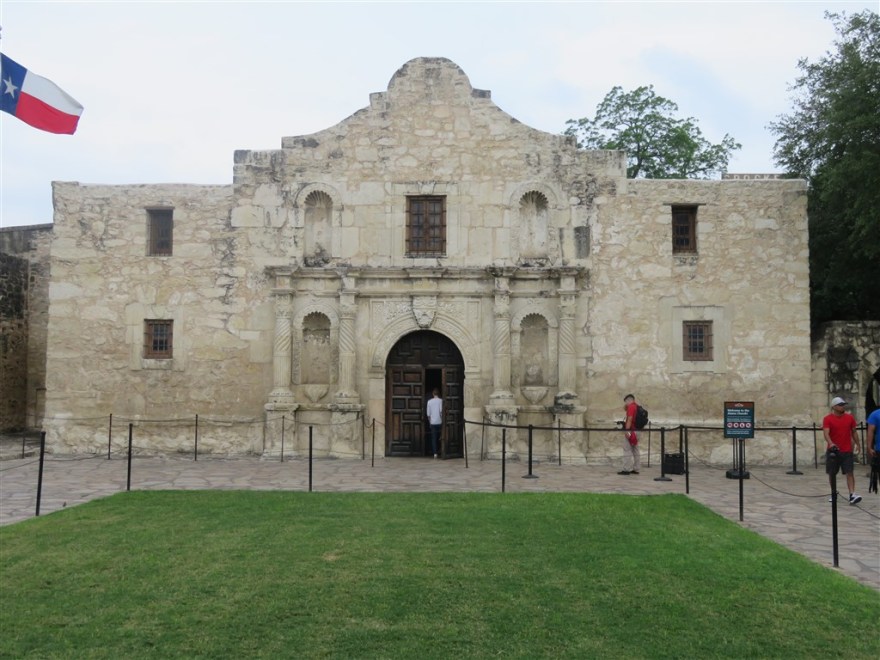
Only the Alamo Chapel and parts of the compound wall are left today. Elsewhere in the City, there is more recent history with some of the architecture on Houston Street.
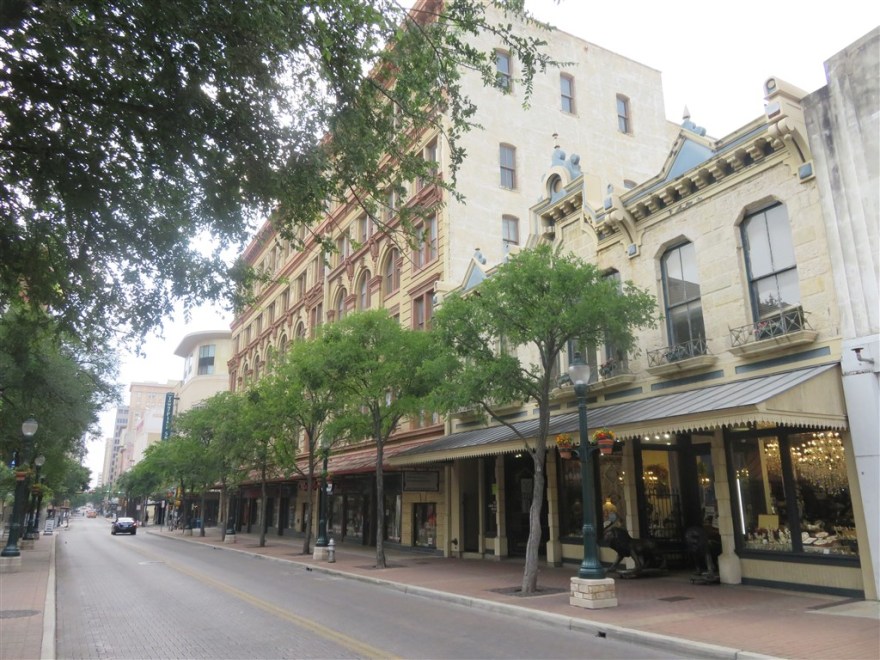
The Buckhorn Saloon and Museum (www.buckhornmuseum.com) is also on Houston Street. It was opened by Albert Friedrich in 1881. He found many of his early customers were cash poor and started accepting horns and antlers in return for beer and whiskey. The saloon has moved from its original location but its unusual collection has been kept. It now also includes the Texas Ranger Museum.

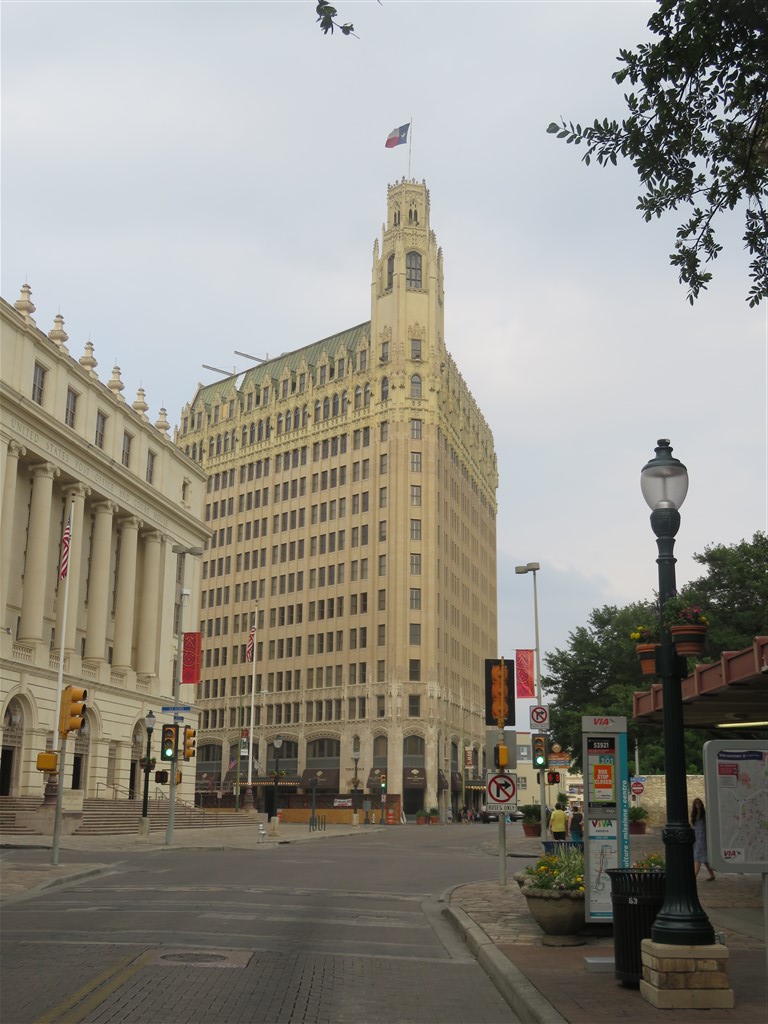
The Emily Morgan hotel at the top of Houston Street looks impressive but it was actually built as an office block in 1924 and not converted to a hotel until 1984.
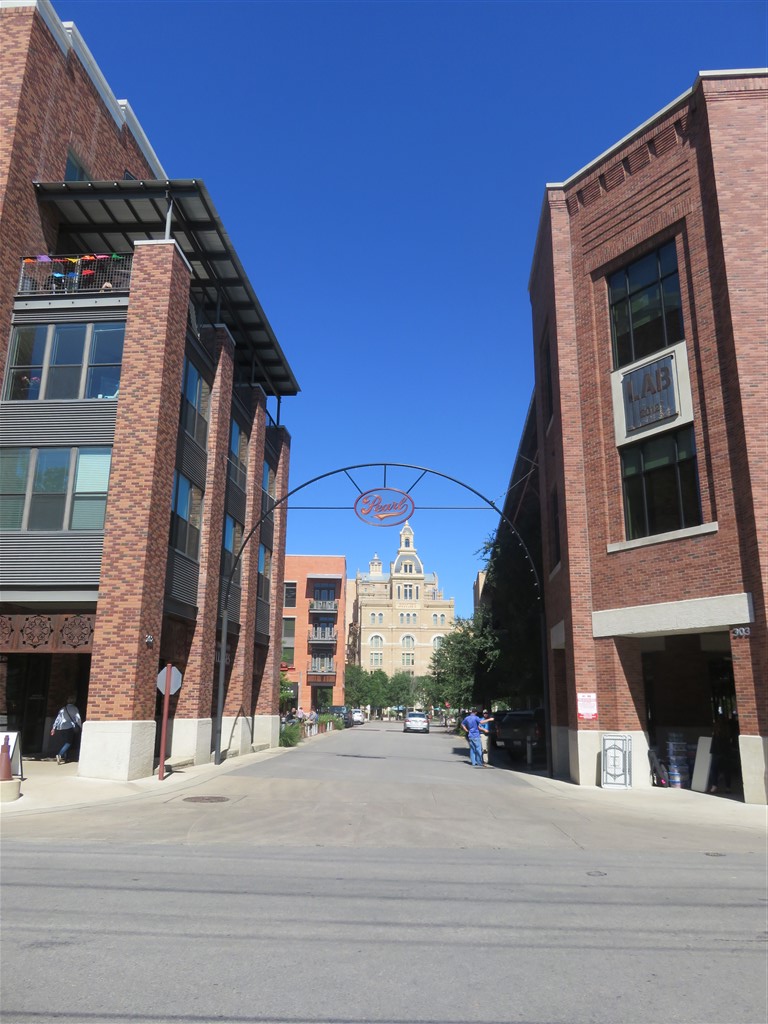
North of the City centre, the old Pearl Brewery has been converted into a new neighbourhood with housing, restaurants and shops.
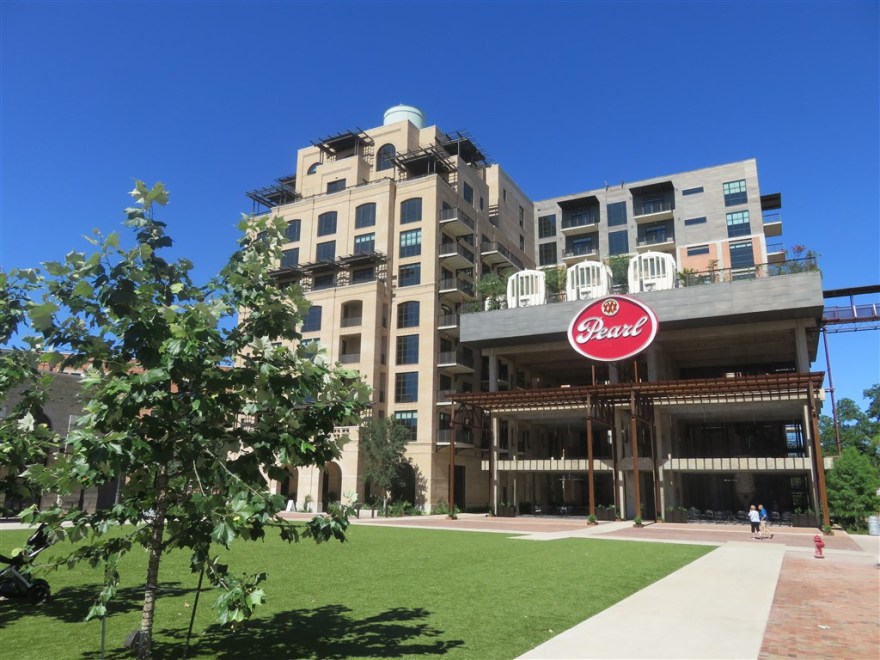
One of the most impressive conversions on the site is Hotel Emma (www.thehotelemma.com).
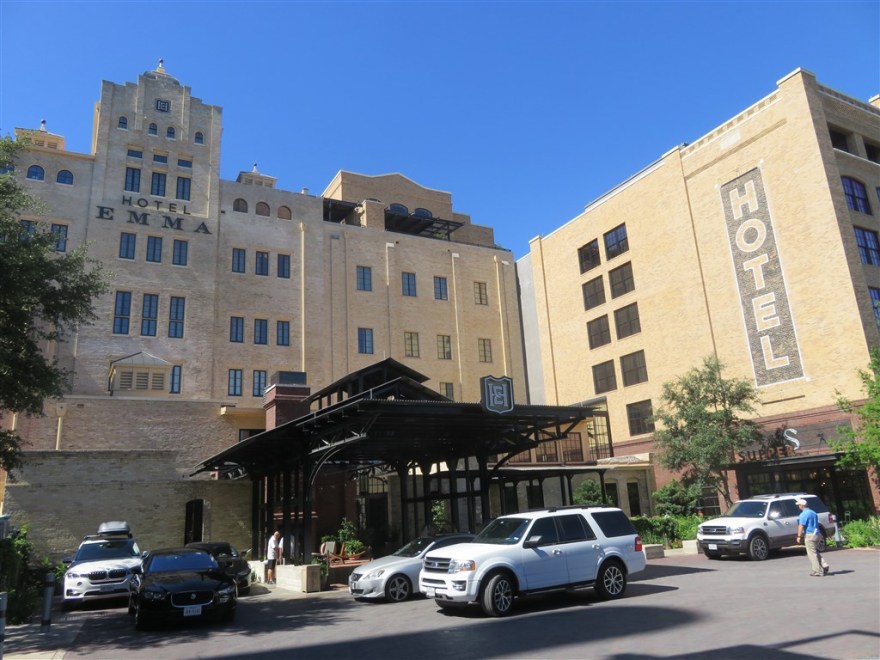
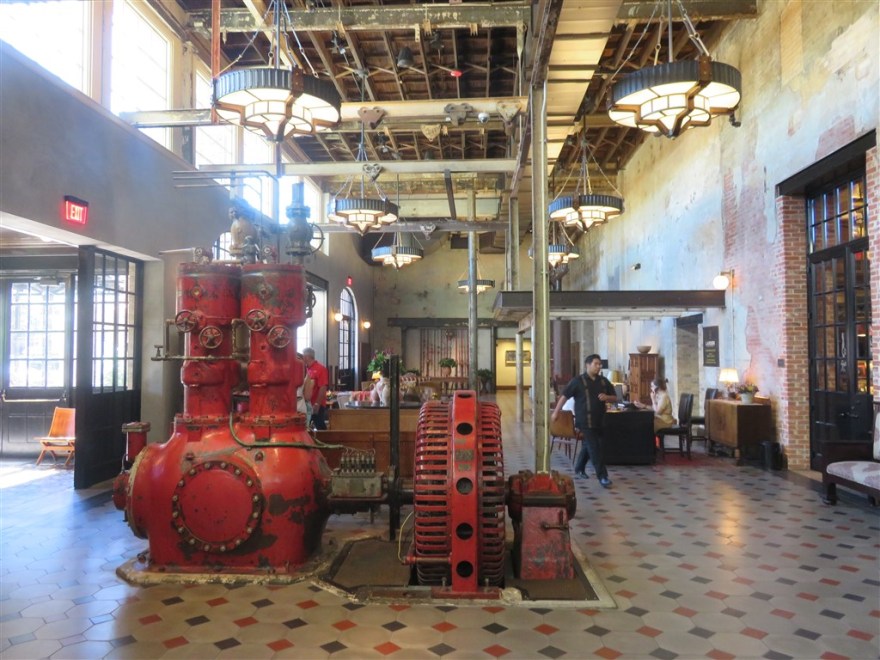
The hotel is named after Emma Koehler who was CEO of the brewery during the prohibition. She managed to keep all of the brewery staff employed by converting operations to dry cleaning and auto repairs.
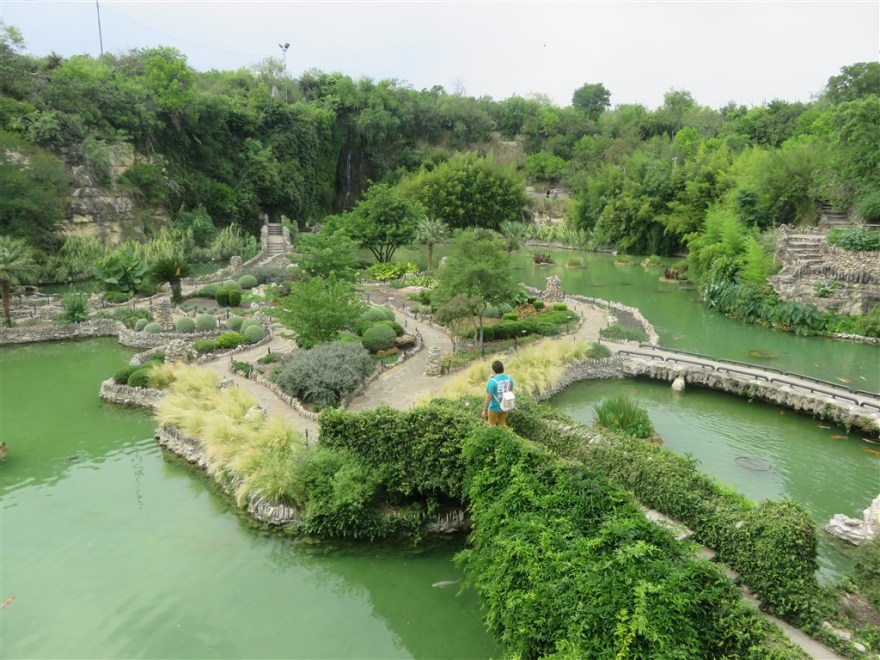
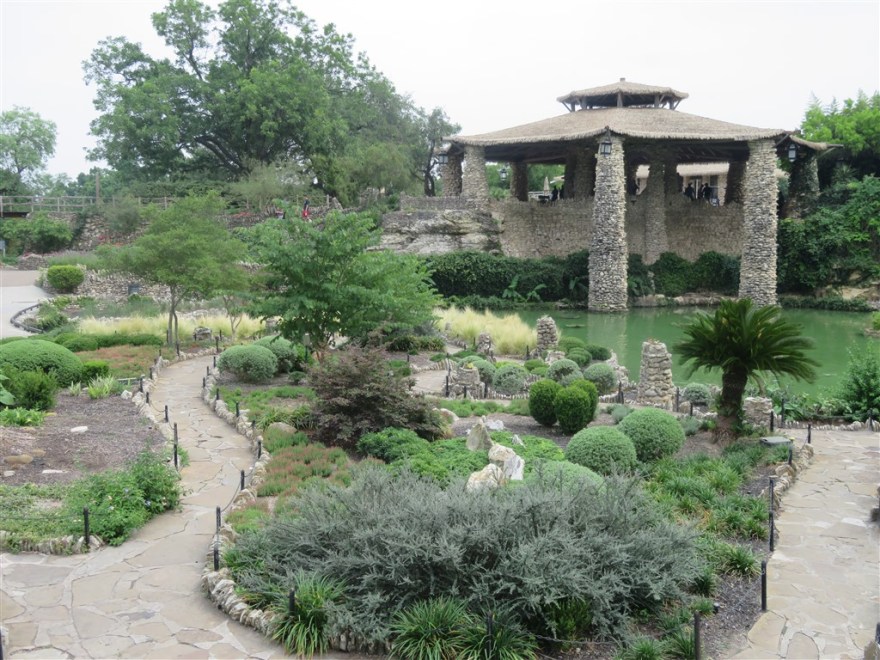
I also visited the Japanese Tea Garden (saparksfoundation.org/japanese-tea-garden). It was originally created from an old rock quarry in 1901. It has a confusing sign welcoming you to the Chinese Tea Garden.
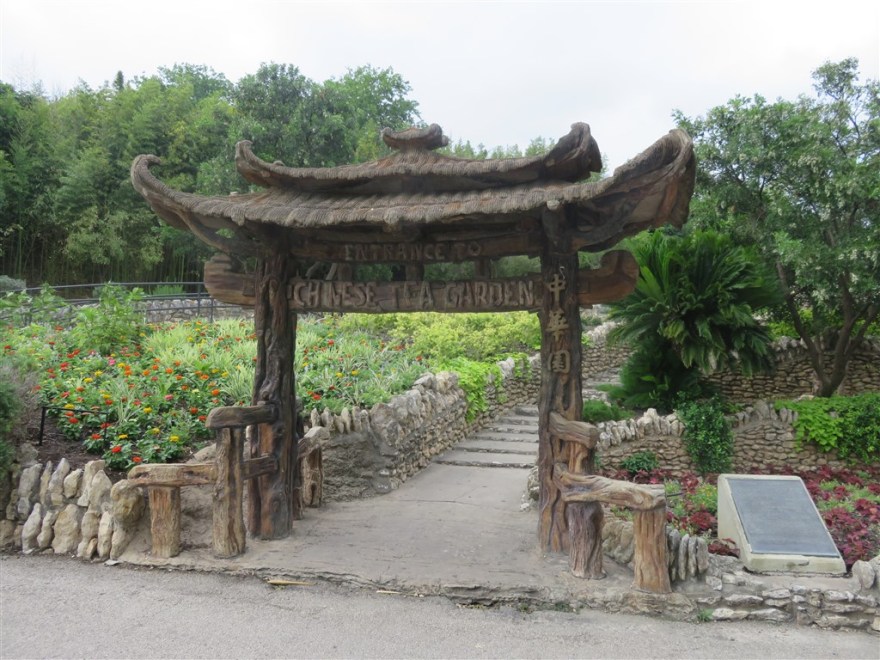
It is thought this was introduced during World War II when the original Japanese owners were evicted due to anti Japanese sentiment and it was taken over by a Chinese American family. Today, it is maintained by the San Antonio Parks Foundation.

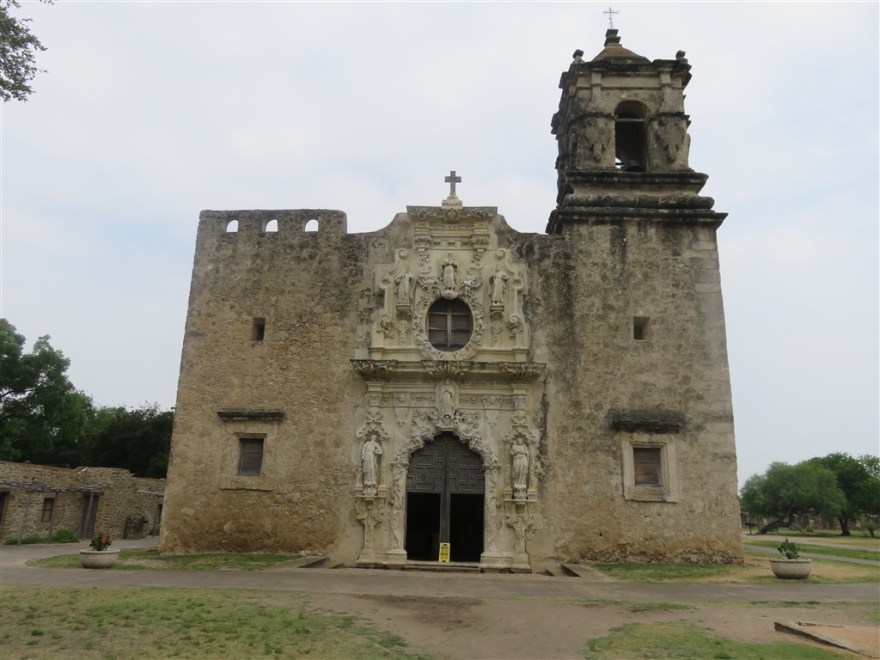
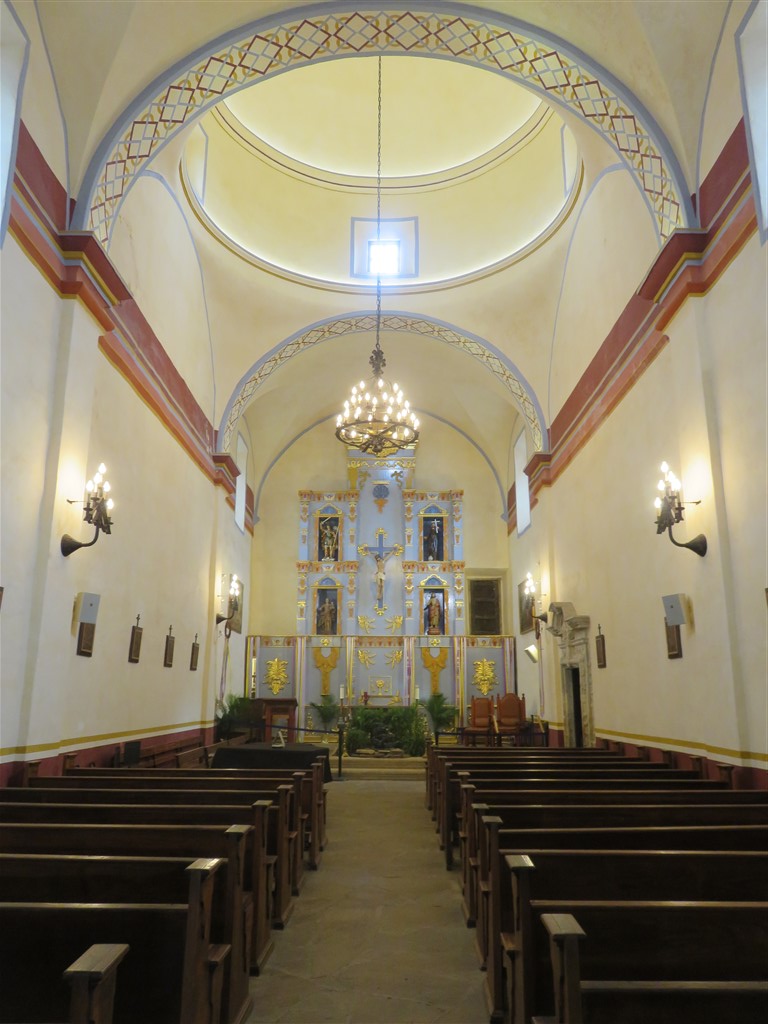
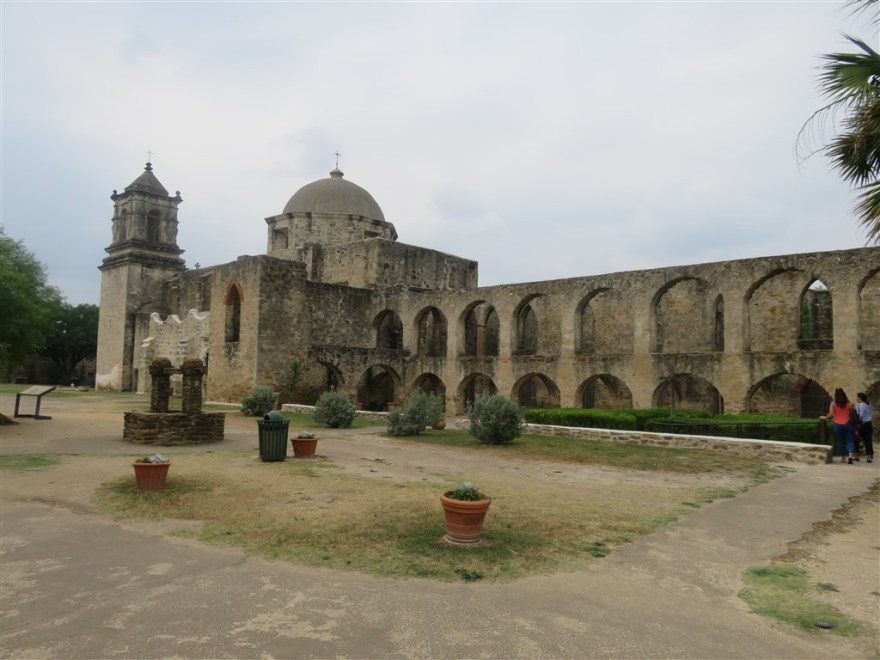
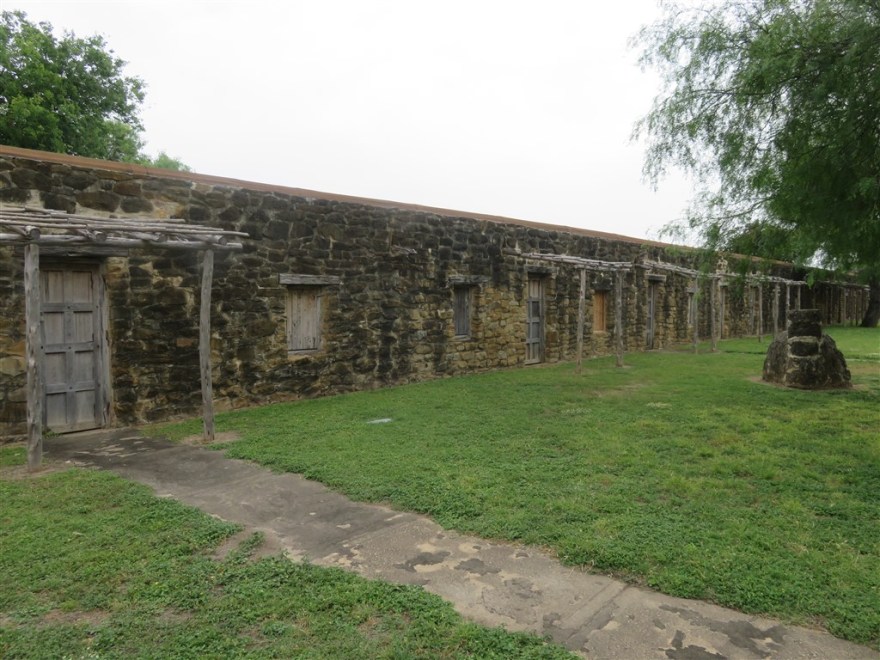
In addition to the Alamo, there are 4 other missions in the San Antonio area. The missions were introduced in the 18th century by the Spanish Catholic church to spread the faith amongst native Americans and are now a UNESCO world heritage site (whc.unesco.org/../1466). I drove out to the San Jose Mission 6 miles south of the City.
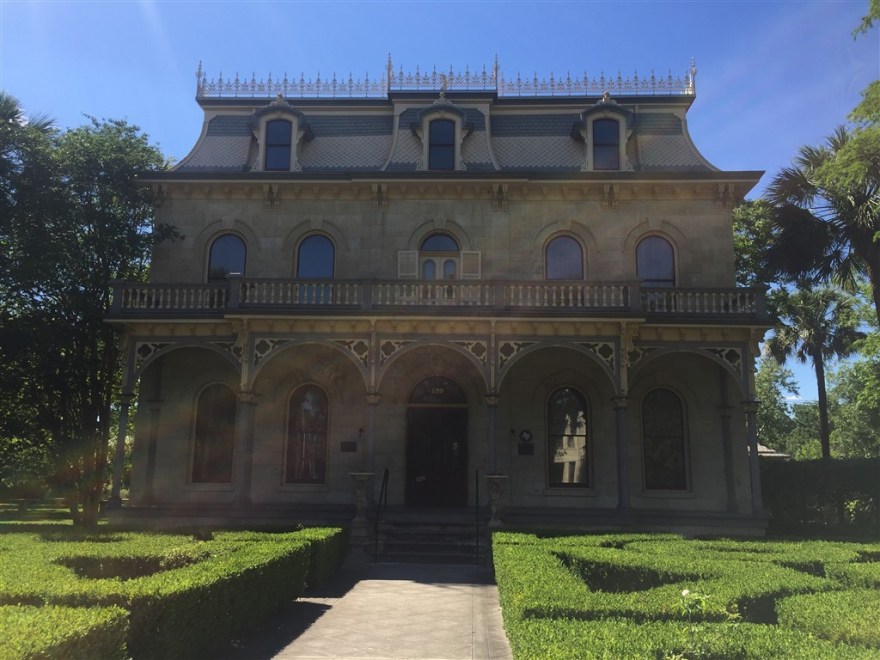
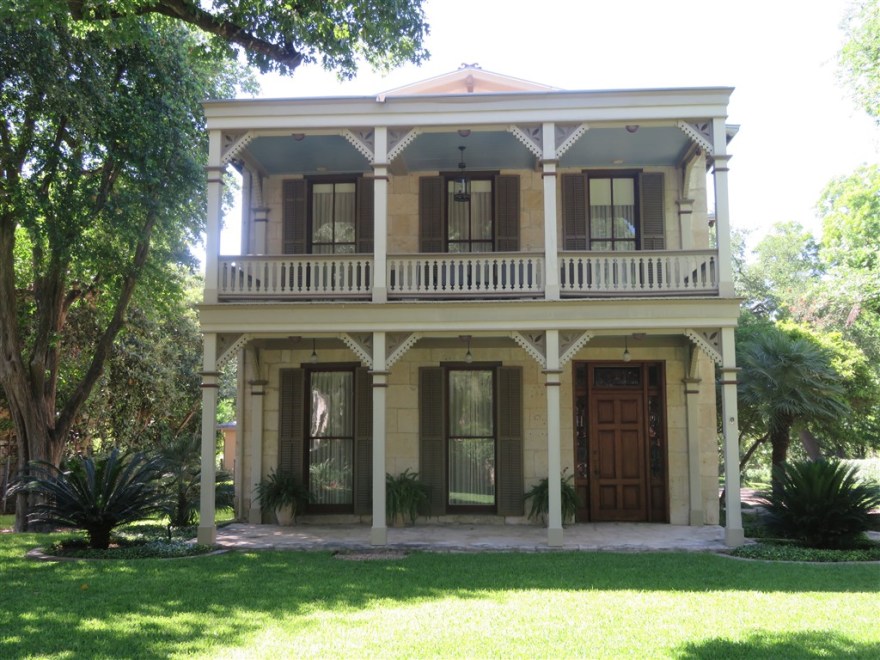
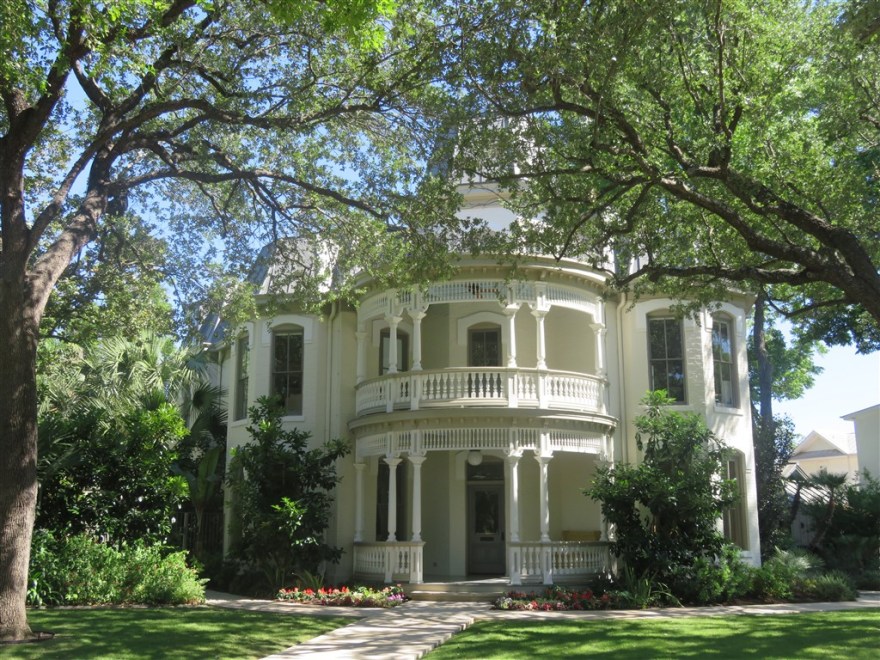
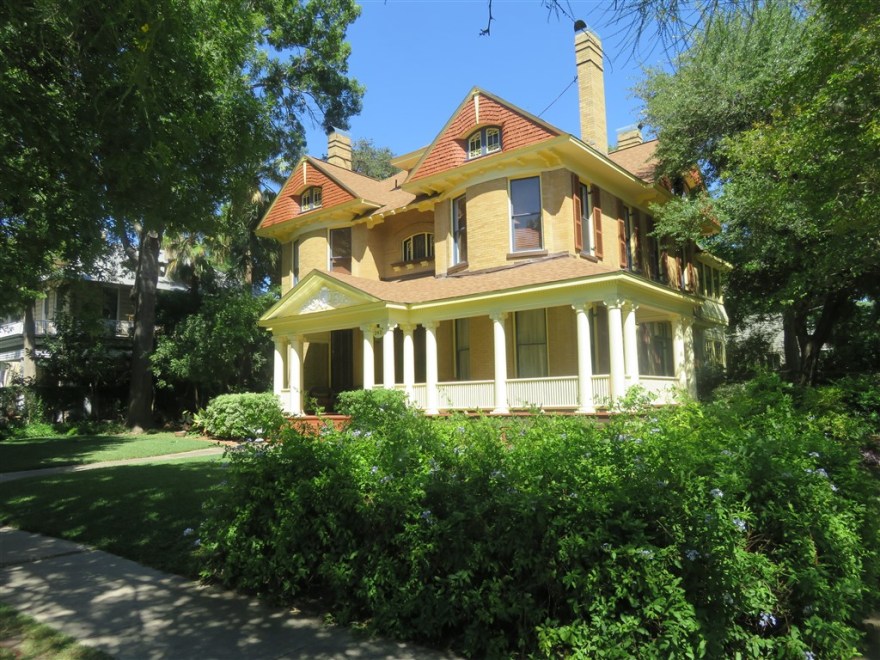
One part of the City has worked hard to maintain its historic architecture. The King William Association (www.ourkwa.org) was formed in 1967 to try and preserve the Victorian residential architecture in the area. This includes large and small houses. I focused on the big ones!

My final destination was Barney Smith’s Toilet Seat Art Museum (www.facebook.com/SATXTSAM). The collection was started by Barney Smith’s father and he has continued it (both were plumbers). Barney is now 96 years old.
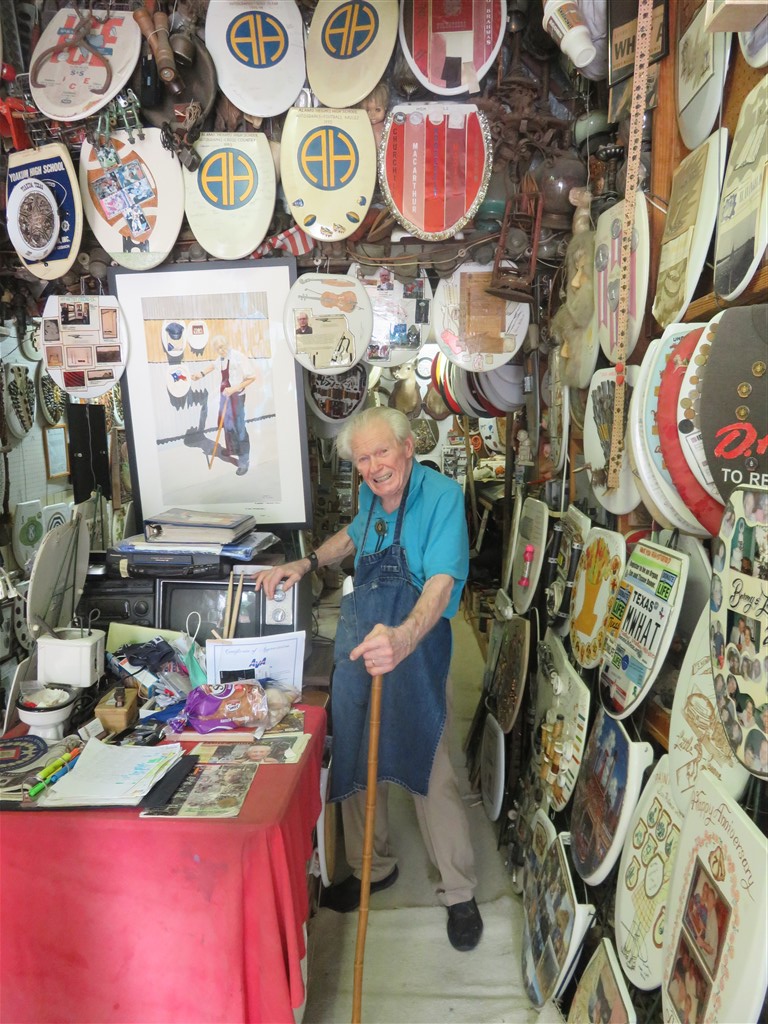
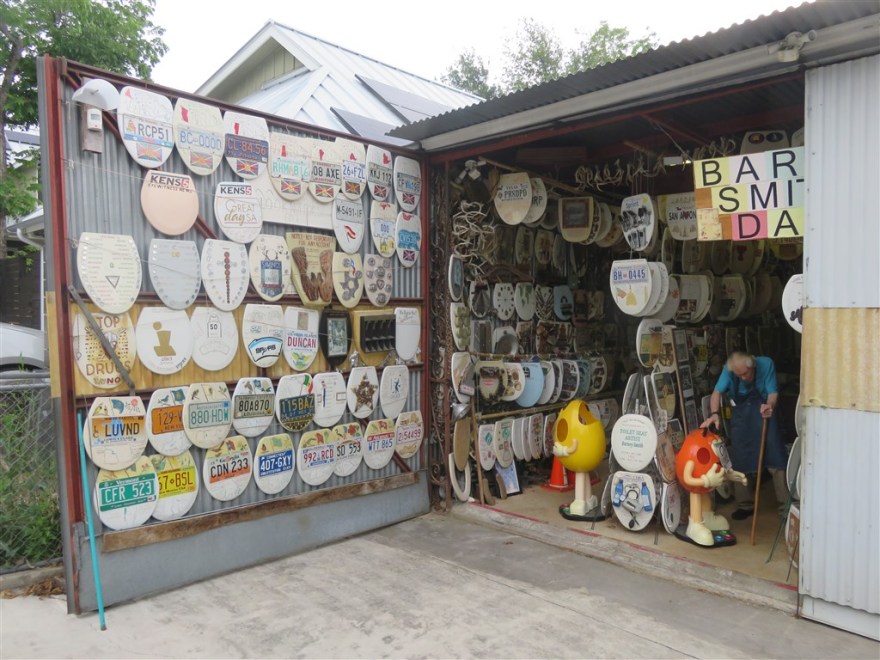
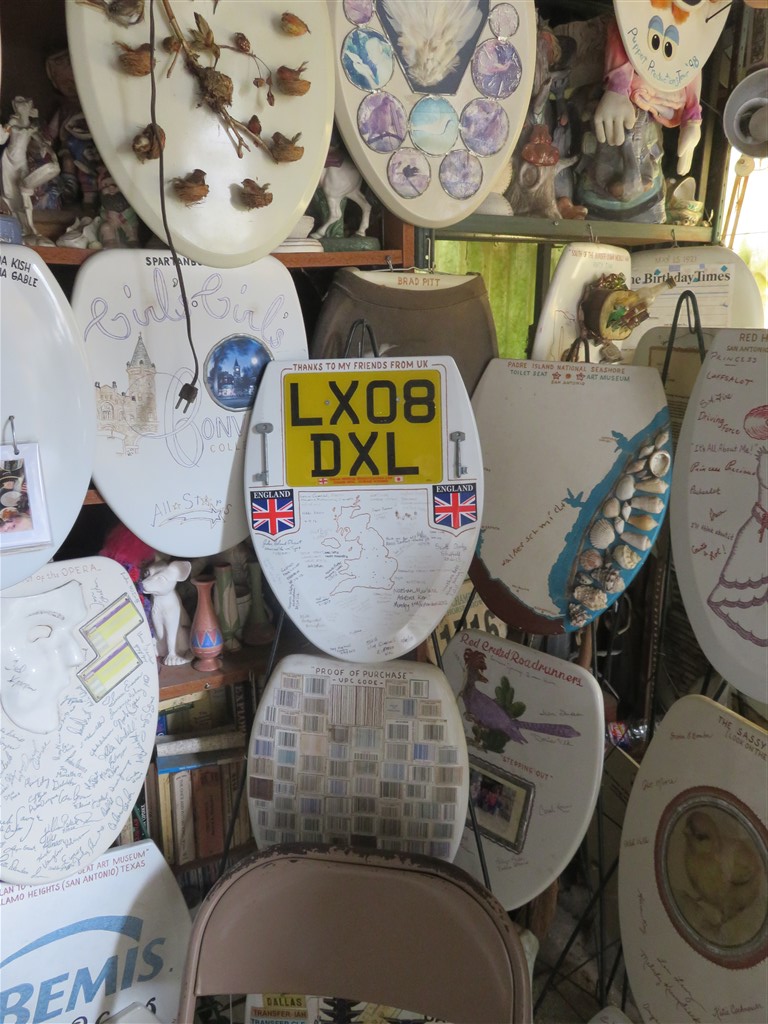
His collection is just under 1,400 toilet seats and he asks visitors to sign his seats. I signed one of the British ones.
 Escape from Ealing