I drove to Tucson, Arizona on 14th May for a two day visit. I stayed in the Motel 6 at the airport. On the first day I headed towards the Mexican border to visit the Kitt Peak National Observatory (www.noao.edu/kpvc). Having failed to get up to the observatory in Hawaii, I came here instead.
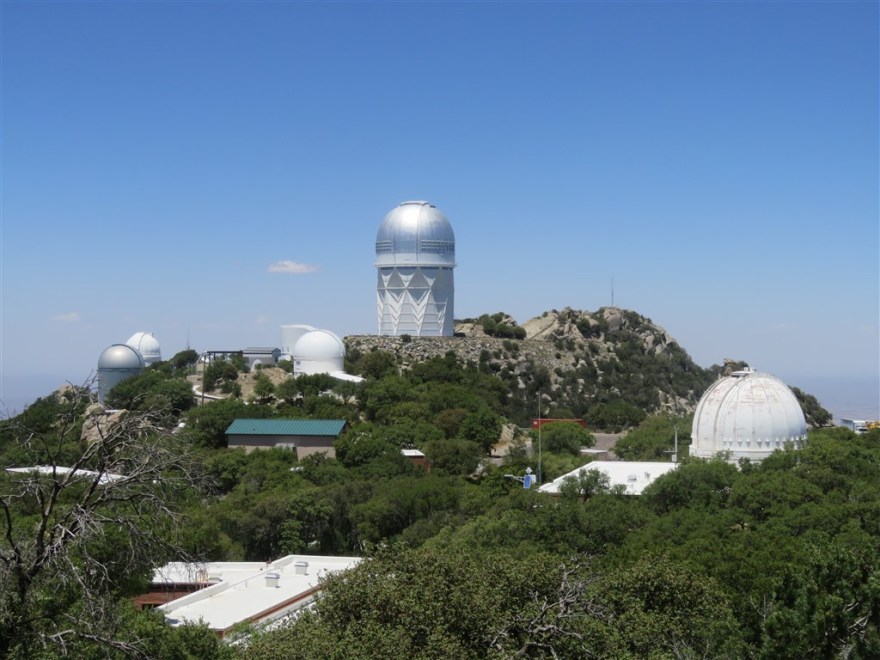
Kitt Peak was chosen as the location for the first US national astronomical observatory in 1957. Today it is the largest observatory in the world by volume with 25 optical and 2 radio telescopes (but not by size, there are larger telescopes elsewhere). It is about 90 minutes drive south of Tucson and is located on land belonging to the Tohono O’odham Nation in the Sonoran desert.

It is accessed via 10 mile road that twists up 6,875 feet.

As it is a working observatory, there are astronomers asleep during the day so you have to keep quiet.
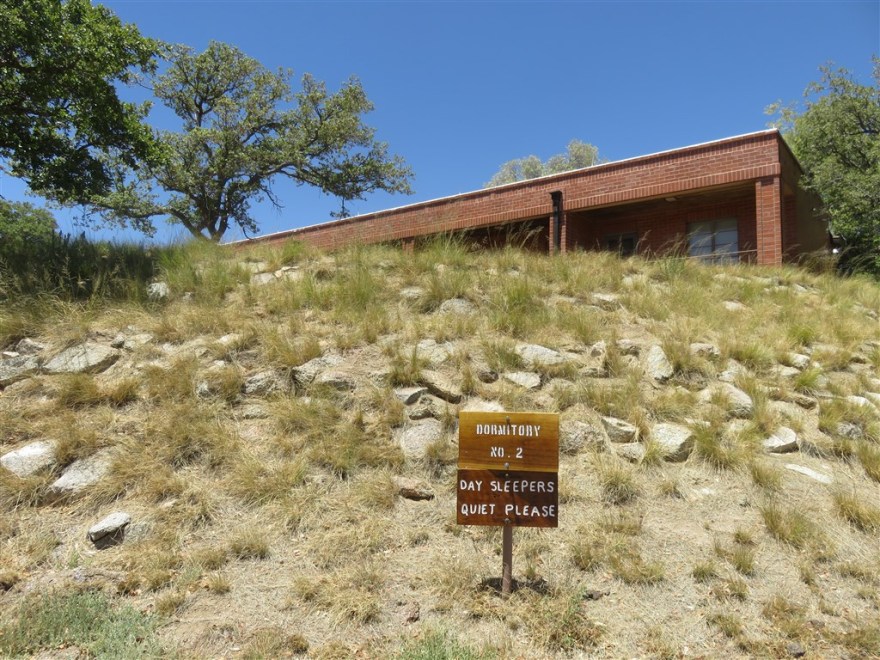
I visited 3 different telescopes. The first was the 2.1 metre telescope which was built in 1964 and is in high demand every night.
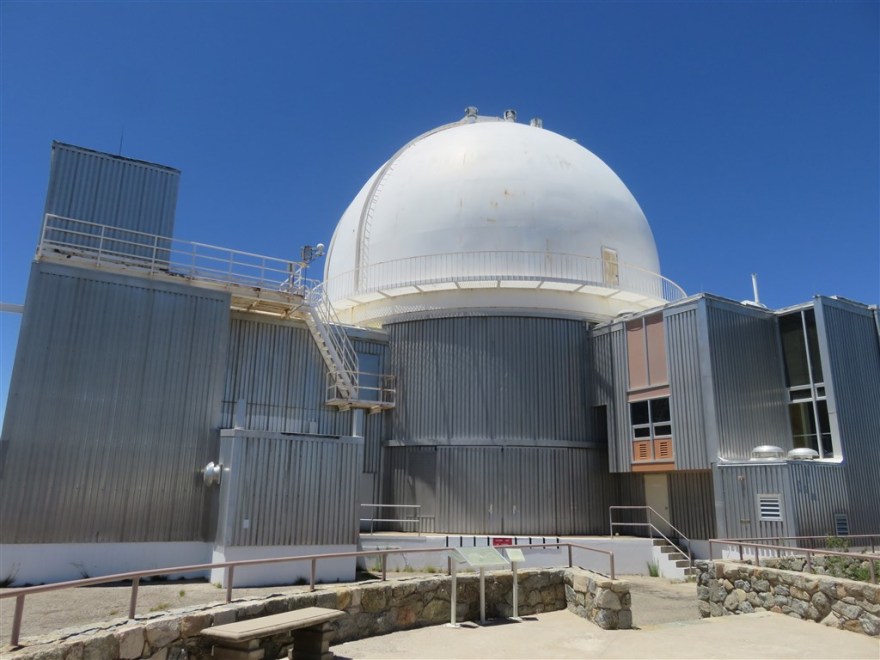
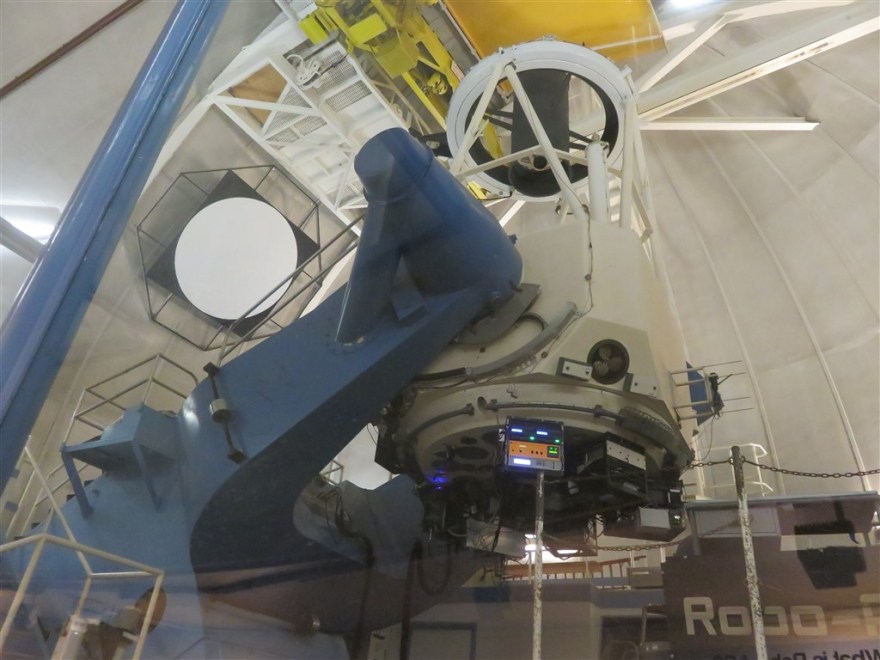
The second was the McMath-Pierce Solar Telescope.

Unlike all the other telescopes, it operates during the day as it is used to study the sun. The main lens sits on top of the tower and focuses down the 200 feet sloping tunnel to a mirror at the bottom.

My final visit was to the Mayall 4 metre telescope which was built in 1973. It is probably the most well known as it is the largest on the site and can seen from Tucson.
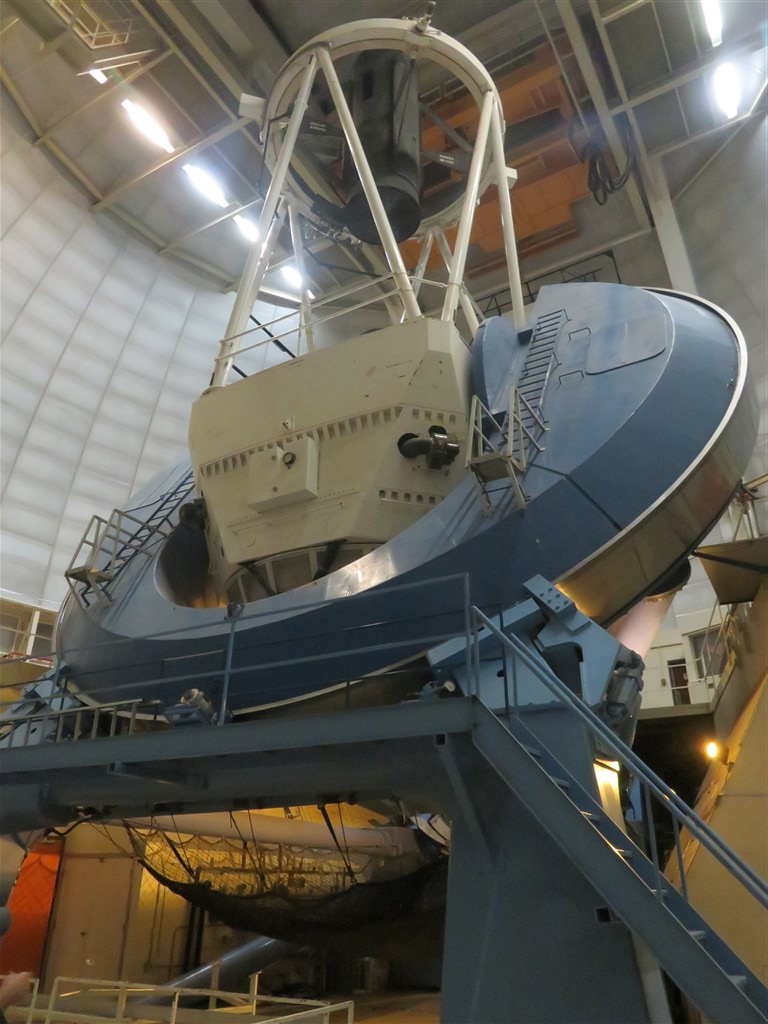
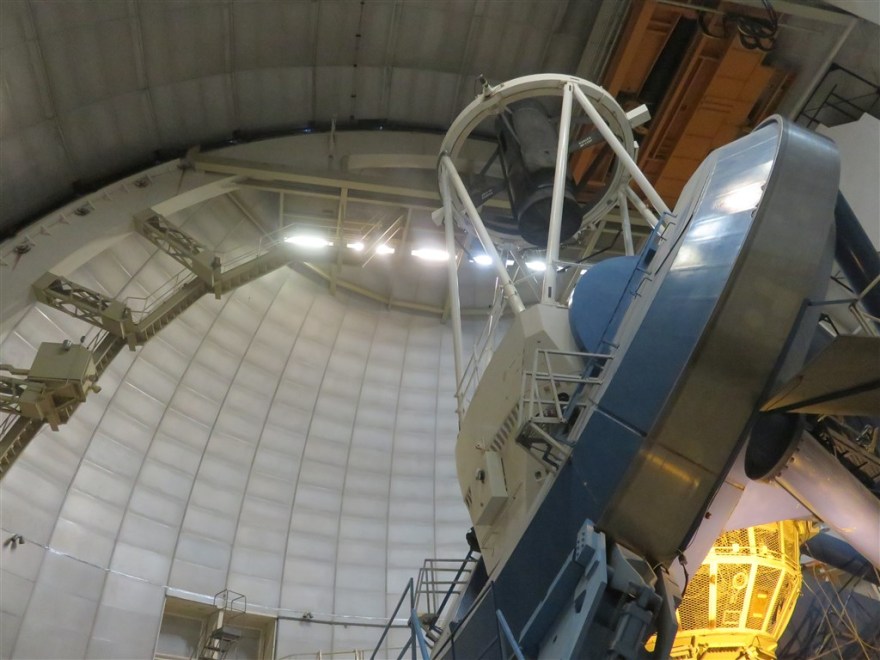
The following day I set off for the Pima Air & Space Museum (www.pimaair.org) next to the Davis-Monthan Air Force base on the outskirts of Tucson. The museum offers tours of the 309th Aerospace Maintenance and Regeneration Group (AMARG), more commonly known as the Boneyard, on the Air Force base. AMARG (www.dm.af.mil/../309-AMARG) is a 2,600 acre site housing 4,400 aircraft. The planes are being stored for future use, parts reclamation or decommissioning.
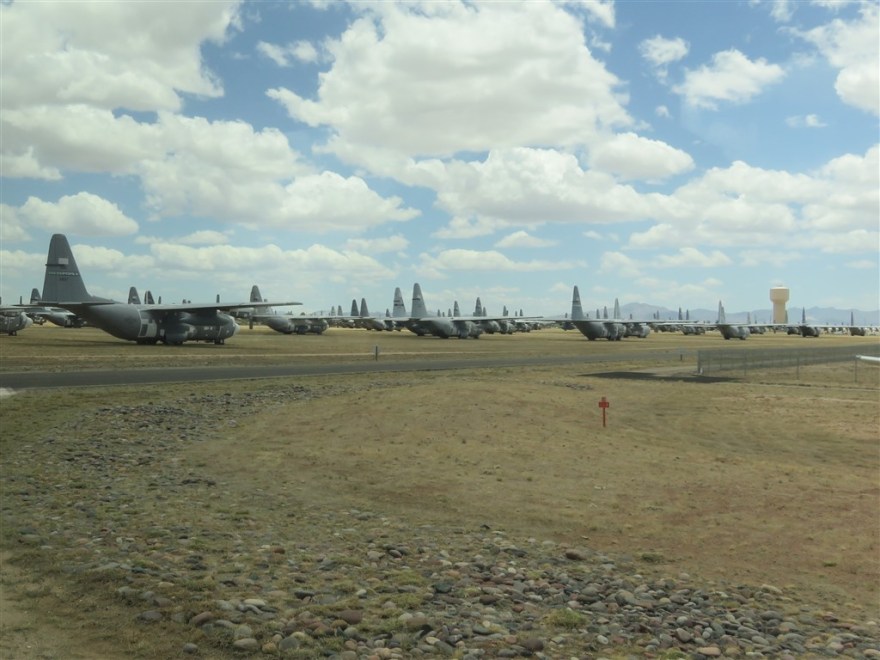
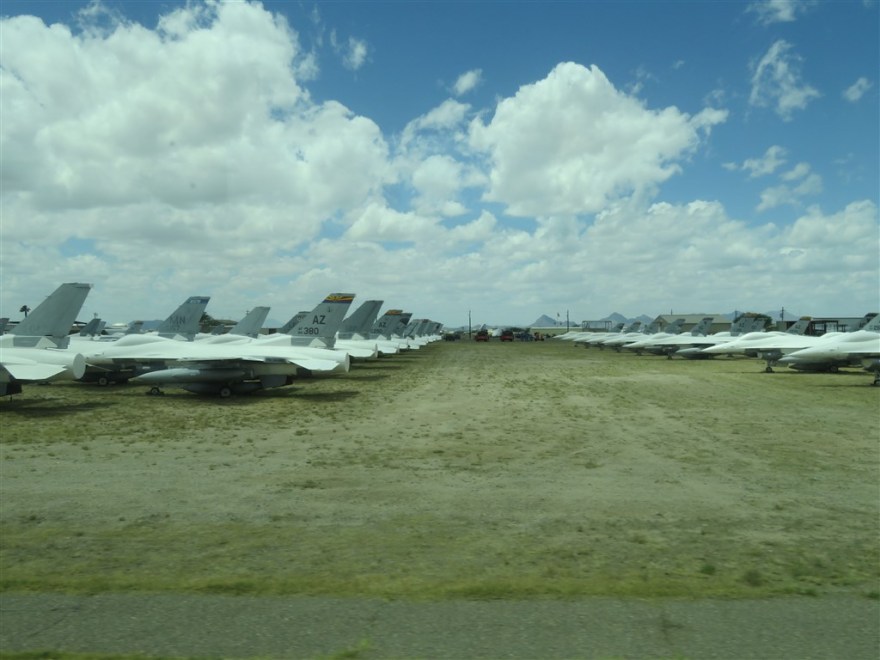
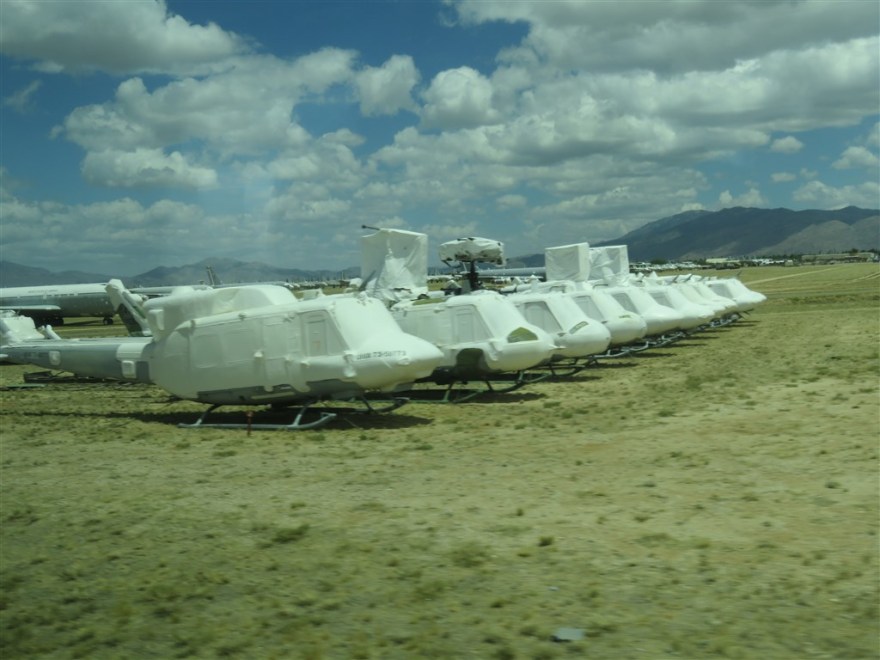
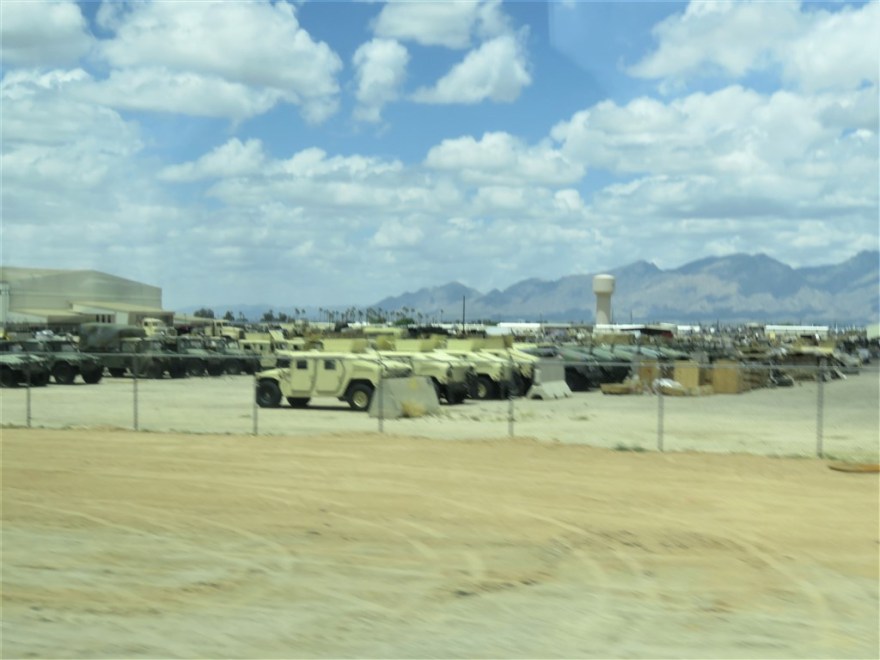
The army also stores spare equipment there as well.
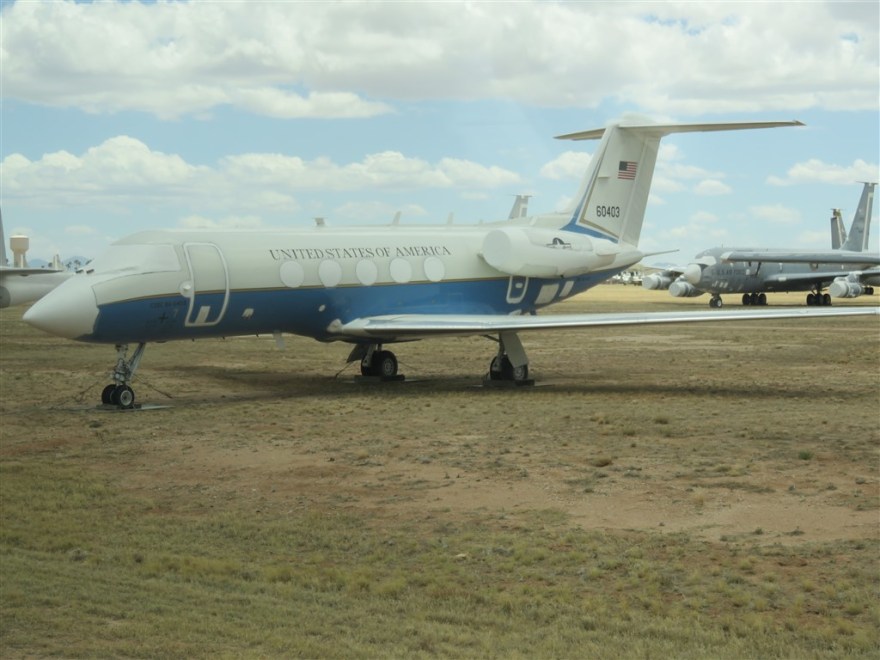
Not all planes are military.
This location is ideal for such storage as the ground is hard (no tarmac required) and the air has very low humidity.
After touring the Air Force base, I had a look around the museum. It is one of the largest, non-government funded museums of its kind. It has over 300 historical aircraft in its 6 hangers and grounds. The museum was started in 1966 by the Air Base commander who realised that old aircraft in AMARG were being melted down for scrap without any being kept for future generations to see. Initially they placed them around the fence so the public could see them. It has now been extended to include commercial aircraft as well. Here are some examples:

Airforce One used by Presidents Kennedy and Johnson

An early Lockheed Constellation used by TWA.
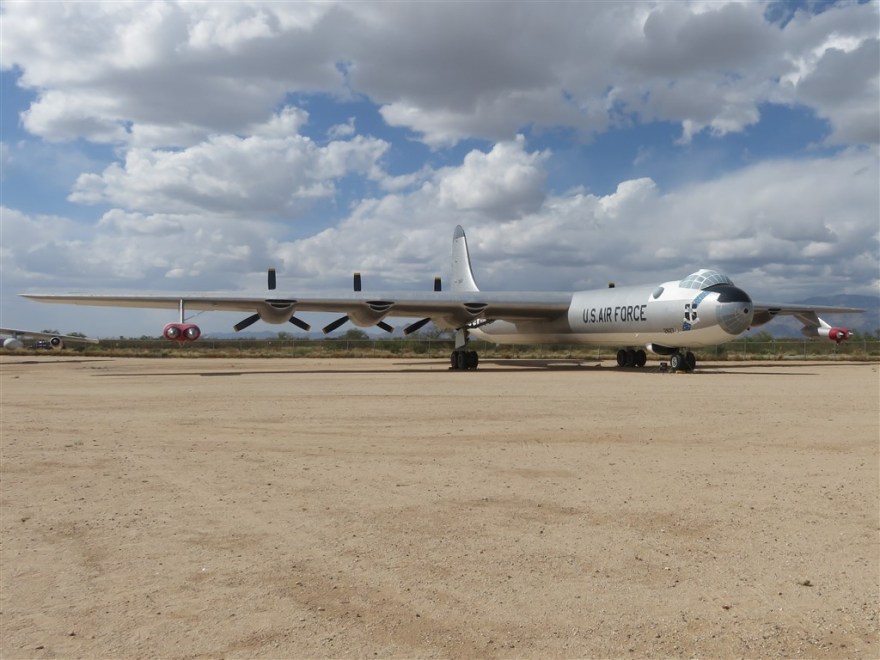
The massive Convair B36 Peacemaker
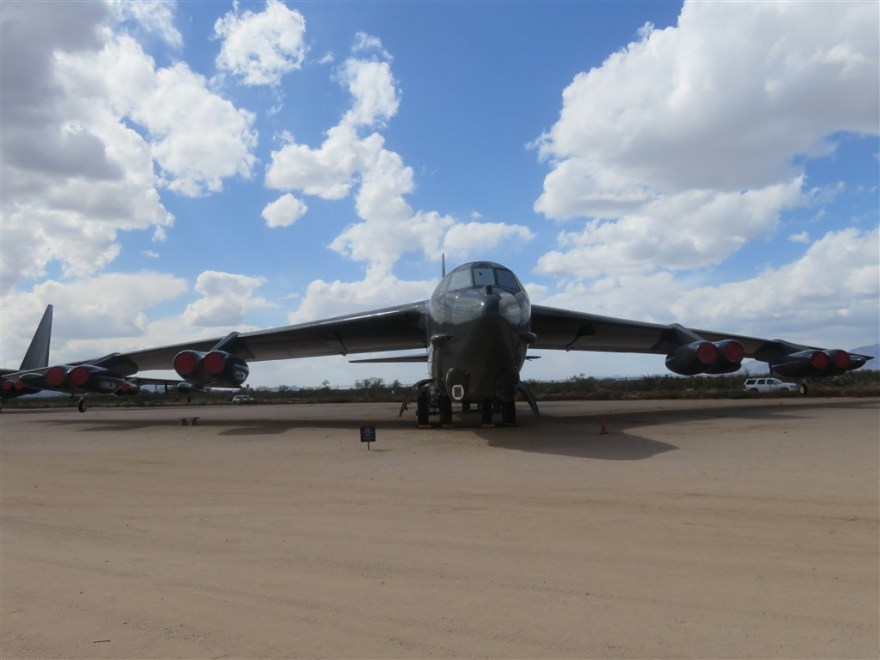
and slightly smaller Boeing B-52.
This concluded my visit to Arizona and I returned to Phoenix airport to fly to New York.
 Escape from Ealing