My flight landed at 3.30am in La Paz in Bolivia. I had arranged to be met by a taxi and taken straight to my hotel. La Paz is the highest capital city in the world at an average altitude of 3,650m (11,975ft), However the city is located in a canyon created by the Choqueyapu river and the altitude varies considerably. The airport is located on the plateau, at the top of the canyon, in the city of El Alto at an altitude of 4,150m (13,615ft). I had booked into the Casa Grande Hotel (www.casa-grande-hotel.com) in the suburb of Calacota which is at an altitude of about 3,000m (9,840ft). That evening, I was so tired that I didn’t notice the effect that the initial altitude, or the sudden drop of over 1,000m during the 30 minute taxi ride, had on me.
The following morning I woke with no apparent altitude sickness. The first thing I noticed was that I got out of breath just brushing my teeth. I decided to stay in and around the hotel for the first day while I started to acclimatise.

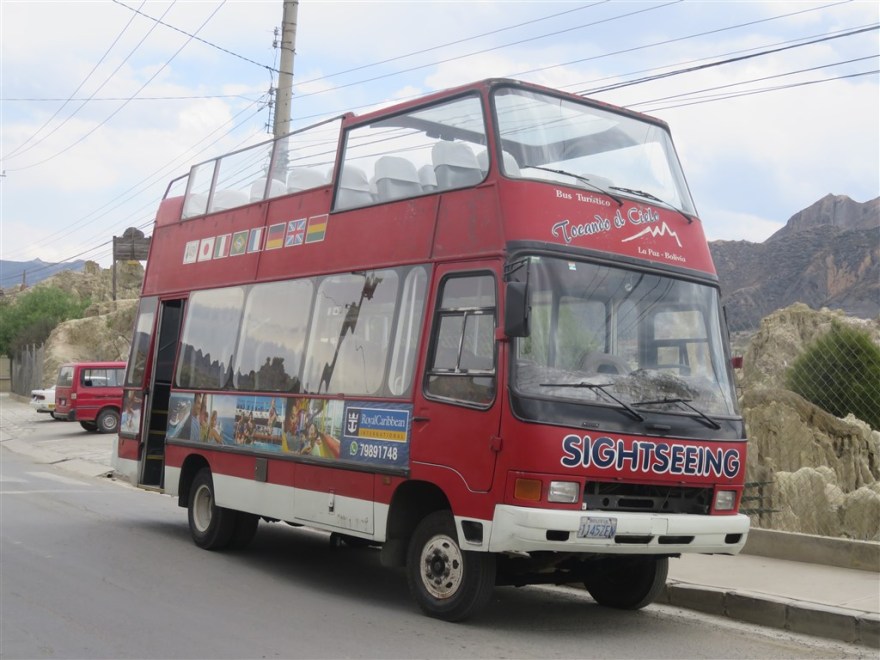
On my second day I ventured out and took a city sightseeing trip on one of the oldest and decrepit buses I have ever been on. However, it was cheap and it coped with the hills of the city.
Our first stop was at Valle de la Luna (Moon Valley) (www.lapazlife.com/../valle-de-la-luna-moon-valley)in the southern and lowest part of the city. The strange “moon like” appearance is caused but the strong winds and rain on the clay and sandstone.


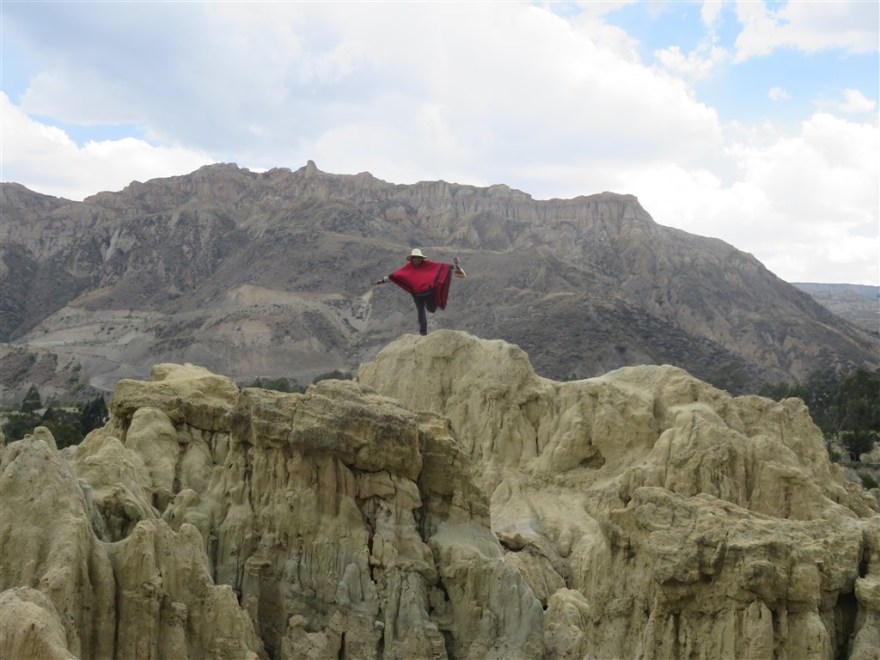
We were serenaded by a local on one of the peaks.
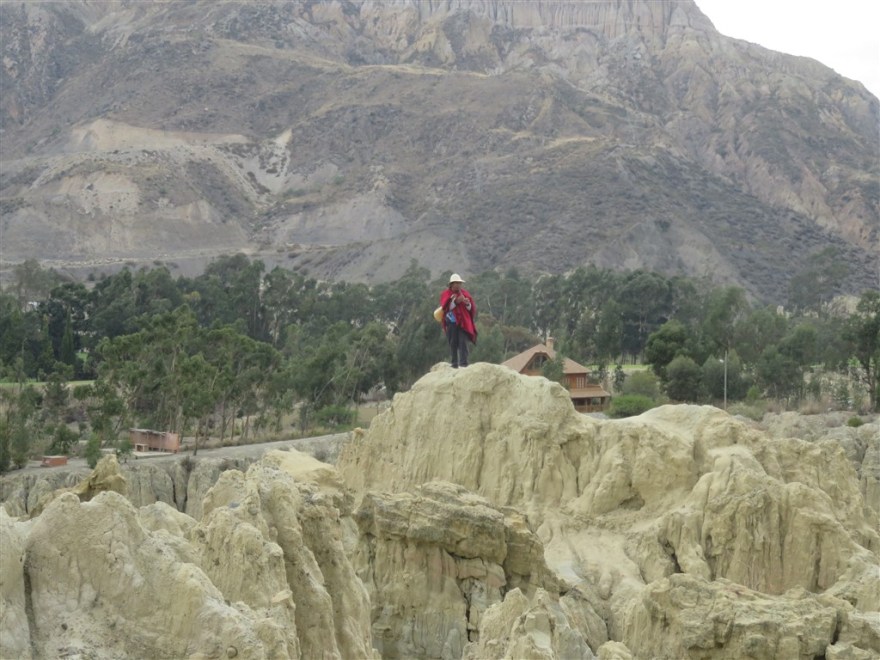
He tried very hard to get a tip.
Just beyond the park, you can see the expensive suburb of Mallasa. La Paz is unlike many cities in that the most expensive properties are at the lowest points and not the highest. Mallasa is at about 2,800m (9,185ft) and the temperatures can be at least 10’C higher than En Alto with considerably less wind as well.
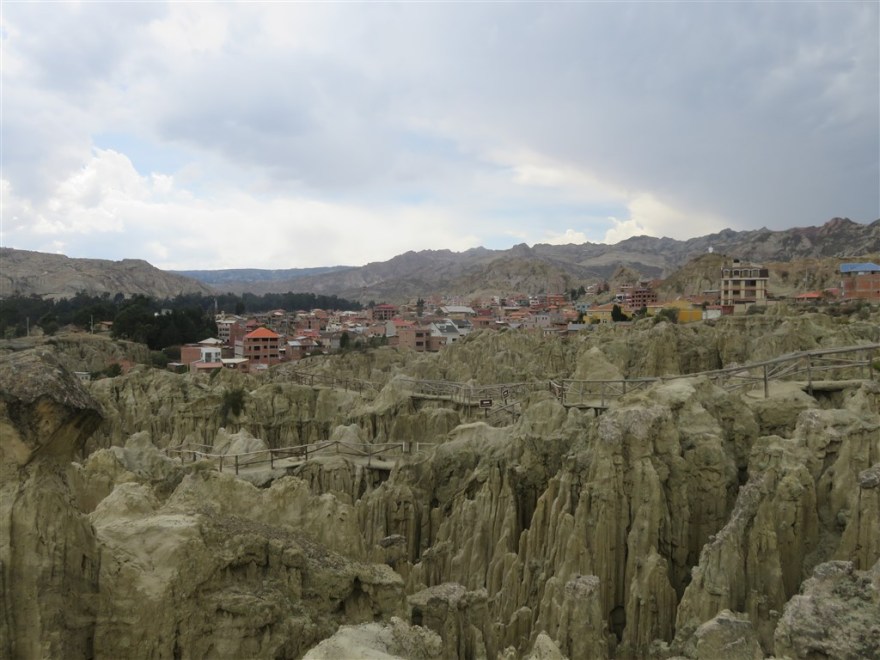
It is also where the city’s golf course is located.
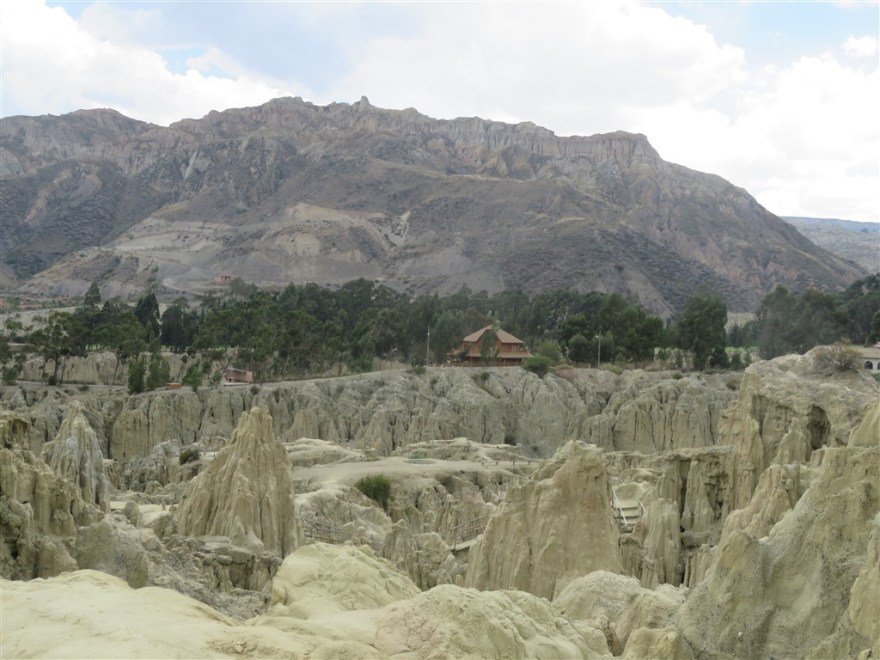
We then headed back up into the centre of the city and got our first views of the amazing landscape.
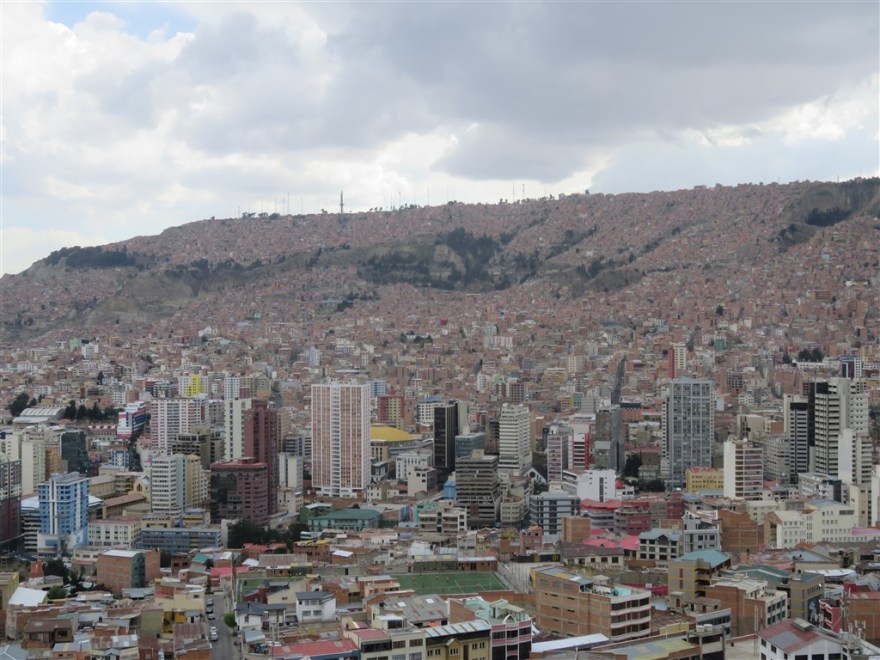
Most of the houses are built on the steep valley sides with minimal road access. It must be hell getting a sofa delivered!
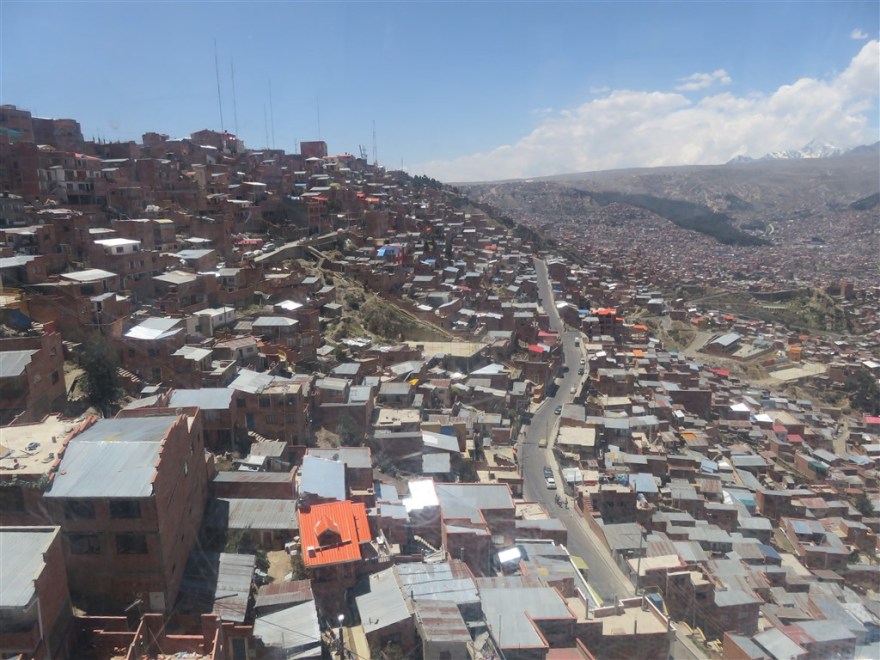
Next we drove by the City’s main park which was very dry and steep.
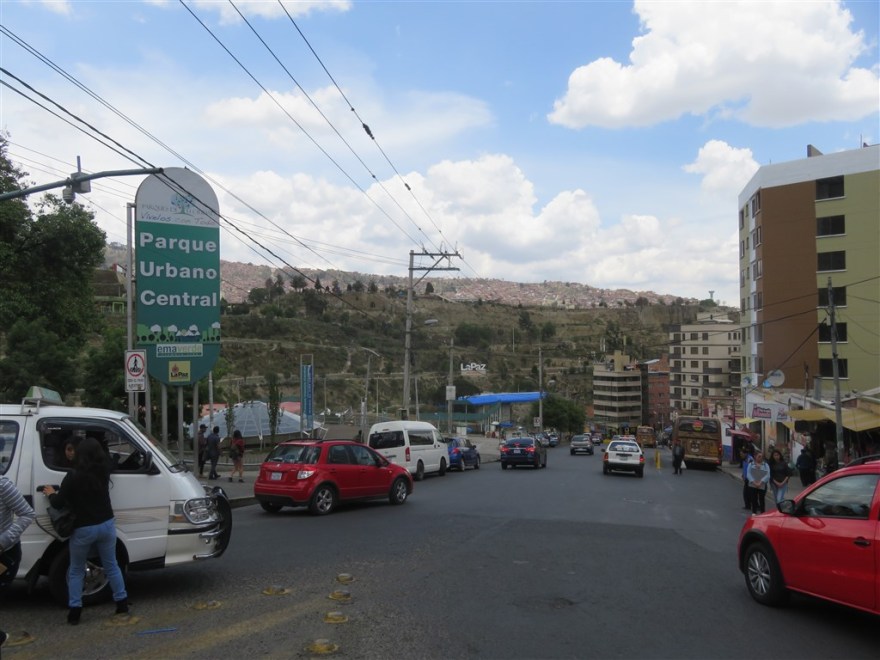
After the bus tour, I set off on foot around the old city. I started at the Iglesia de San Francisco which is built into the hill and dates back to 1548.

I also took in the nearby Cathedral.


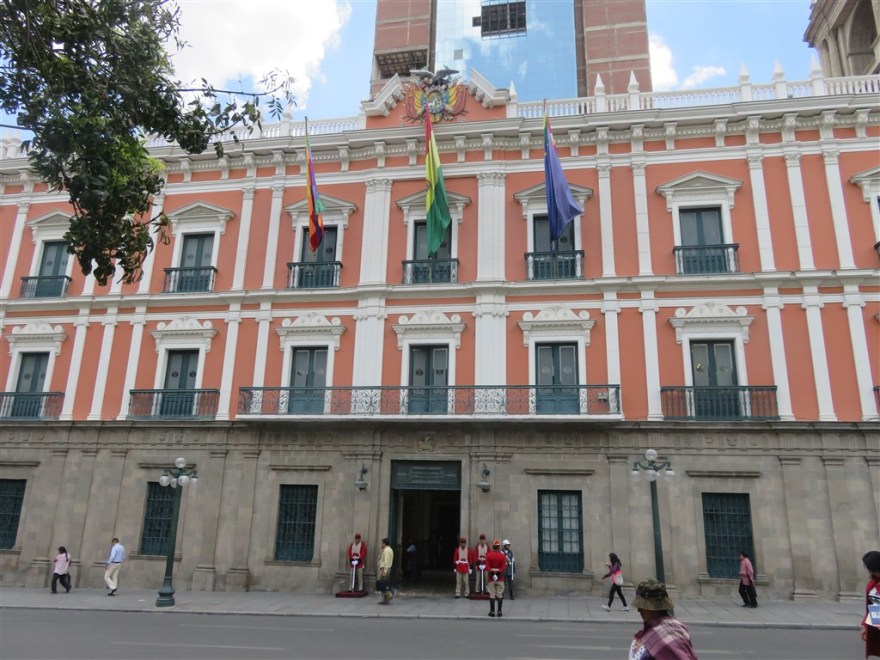
Presidential Palace.
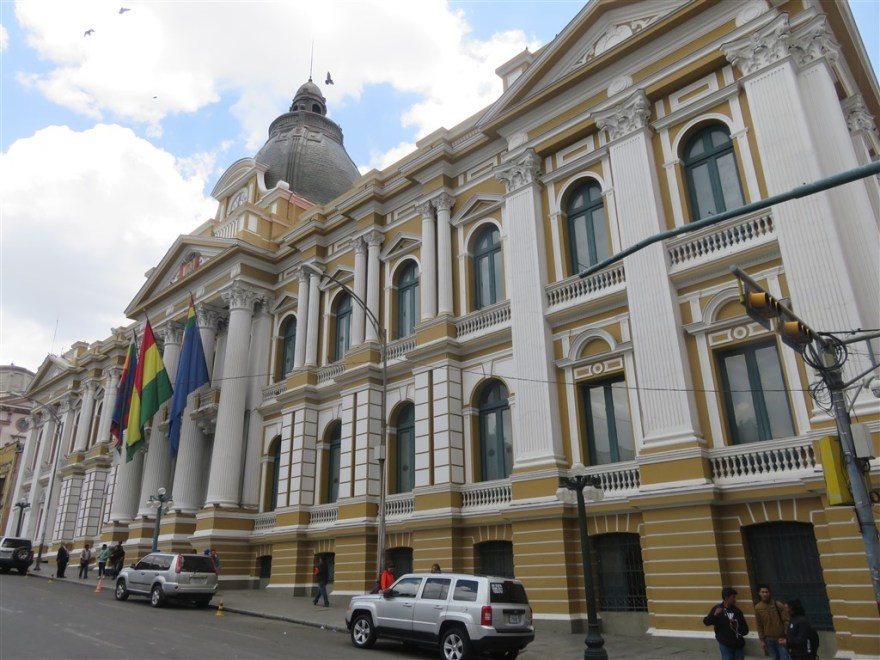
And Government Building.
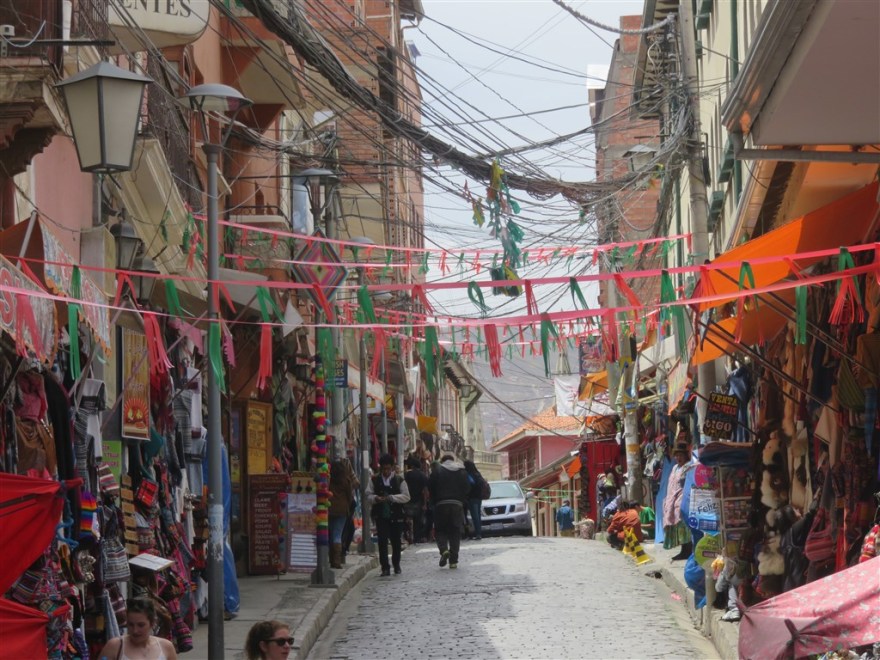
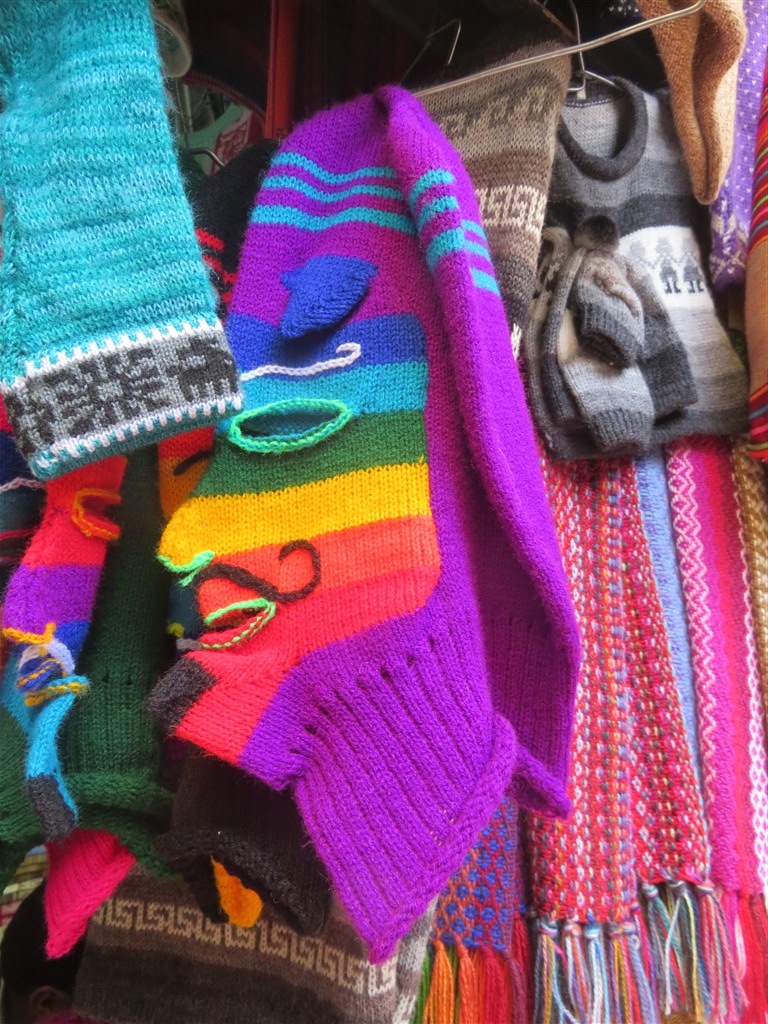
Next I visited the Mercado de Hechiceria (Witches Market). It is where herbal and folk remedies were, and still are, sold. Today, most of the shops sell handicraft items for the tourists but the remedies are still sold. The lady in blue, covering her face, tried to sell me something black and shrivelled up. I declined.

I did consider buying all of my family these for Christmas.
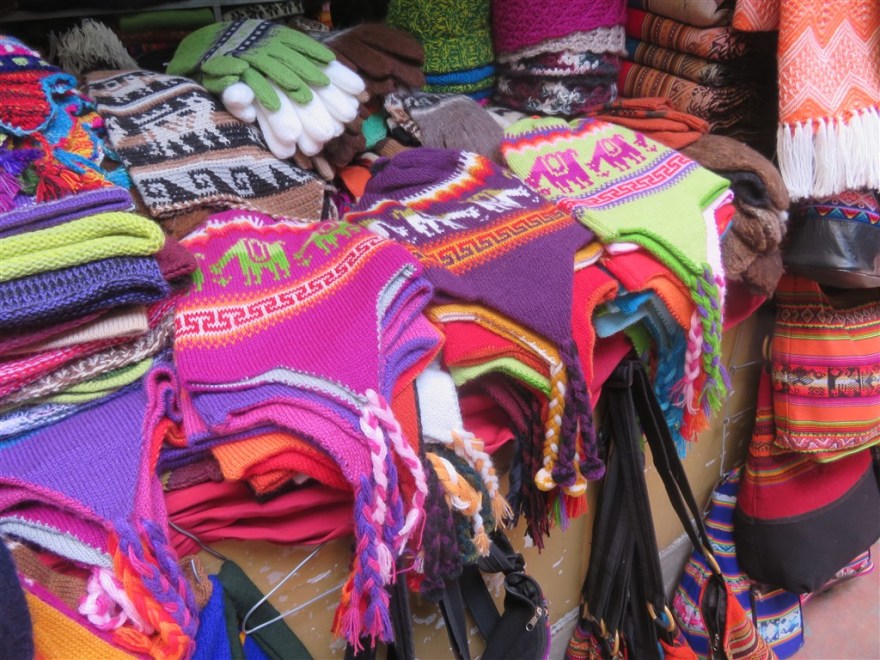
Or even these.
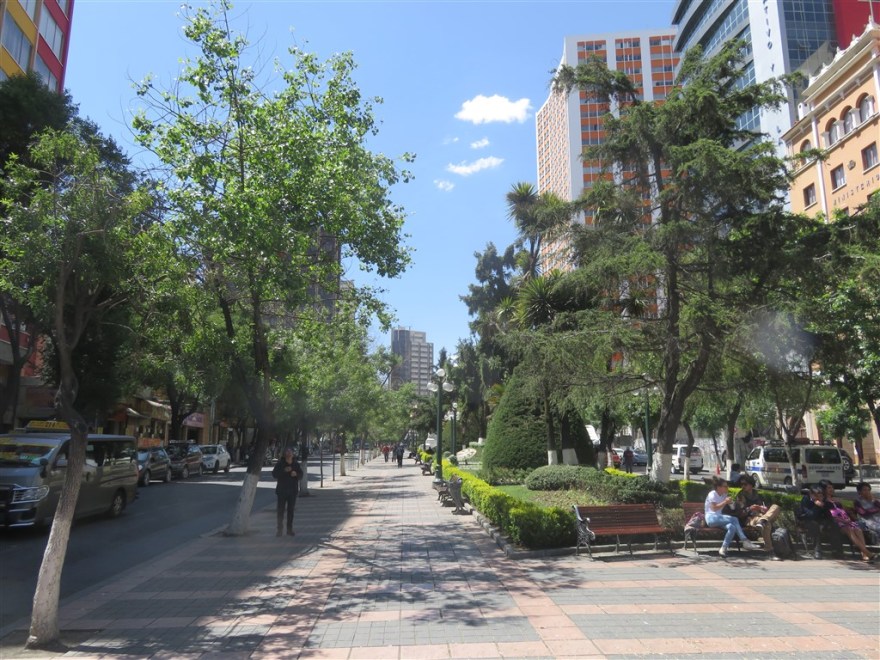
Next, I walked down El Prado which is the main shopping street in the city.
I came across some blue wine.

Transport options in the city are pretty straight forward. There are buses for longer distances.

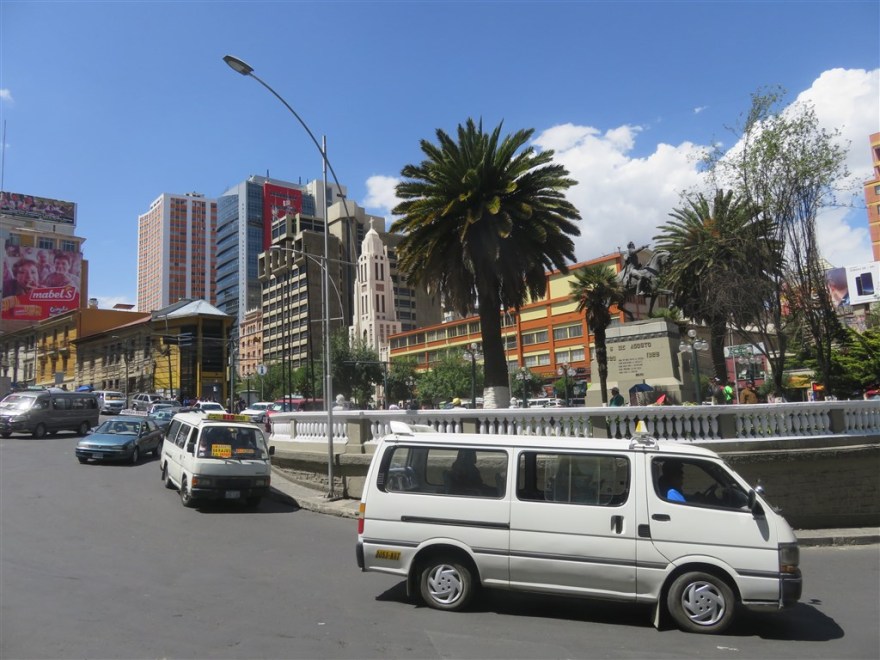
Micros, which are about half the price of buses. They are communal taxis that follow fixed routes allowing passengers to hop on and off as they like.
And MiTeleferico – my cable car (www.miteleferico.bo). The Austrian imported cable car system opened in 2014 and has been continually expanded since. I spent alot of time on it! When I visited, there were 5 lines covering just over 17km. My hotel was 5 minutes walk away from the southern end of the green line.
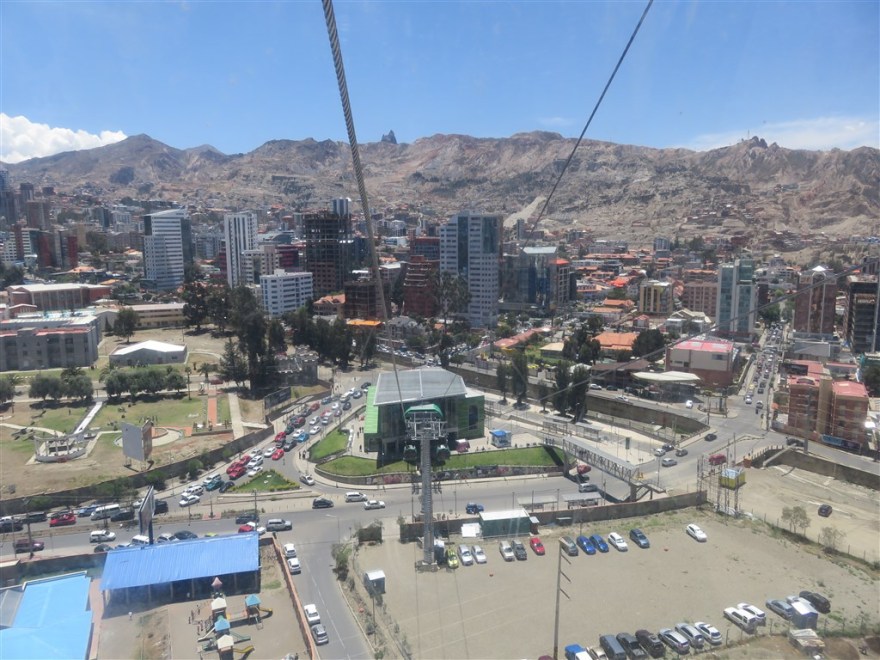
It took me north up the valley.

Below you can see one of the main roads running along side the river. I haven’t bothered including any pictures of the river as it is one of the most polluted I have ever seen.
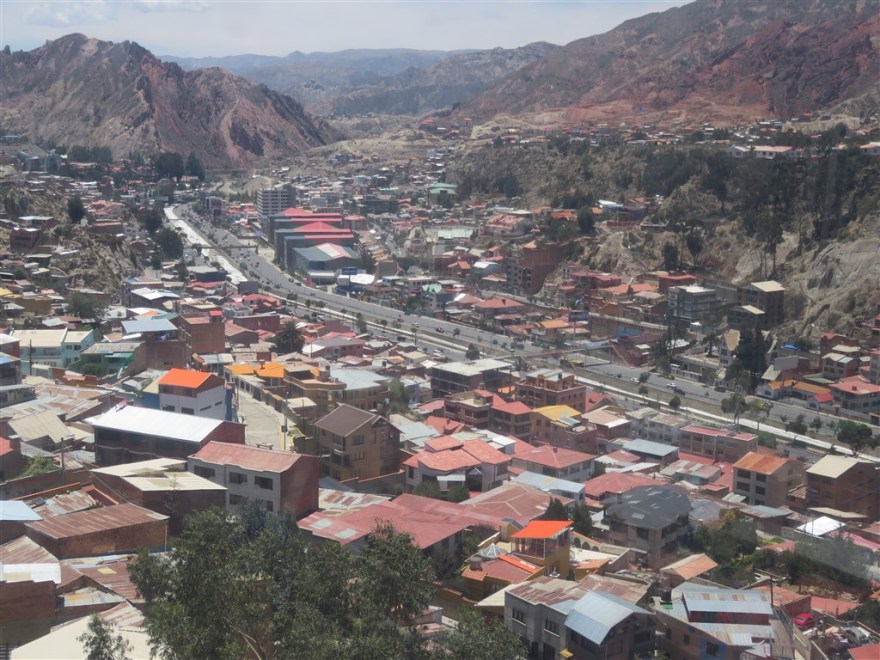
The green line also goes over some of the more exclusive housing areas.
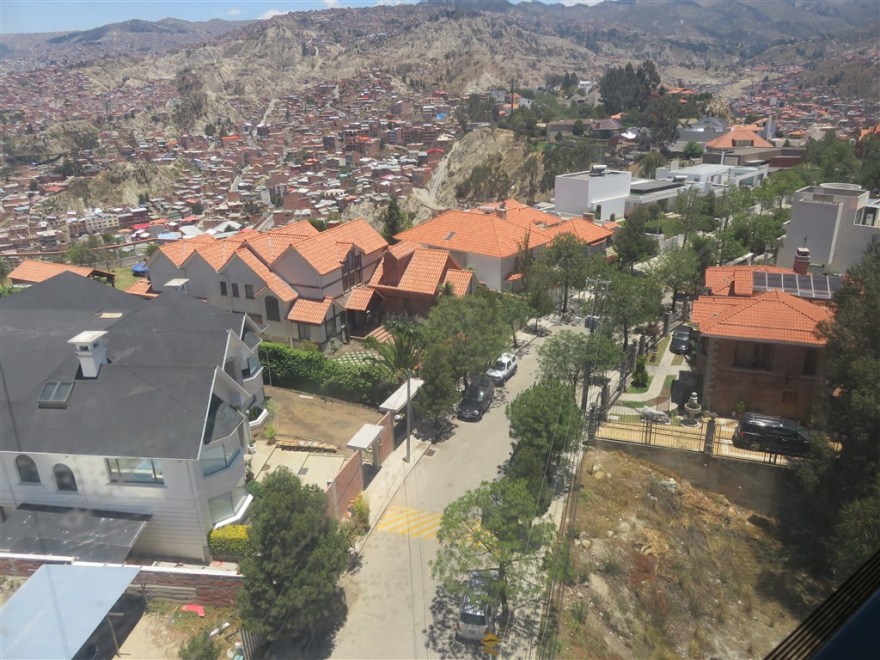
With great views up the valley sides.
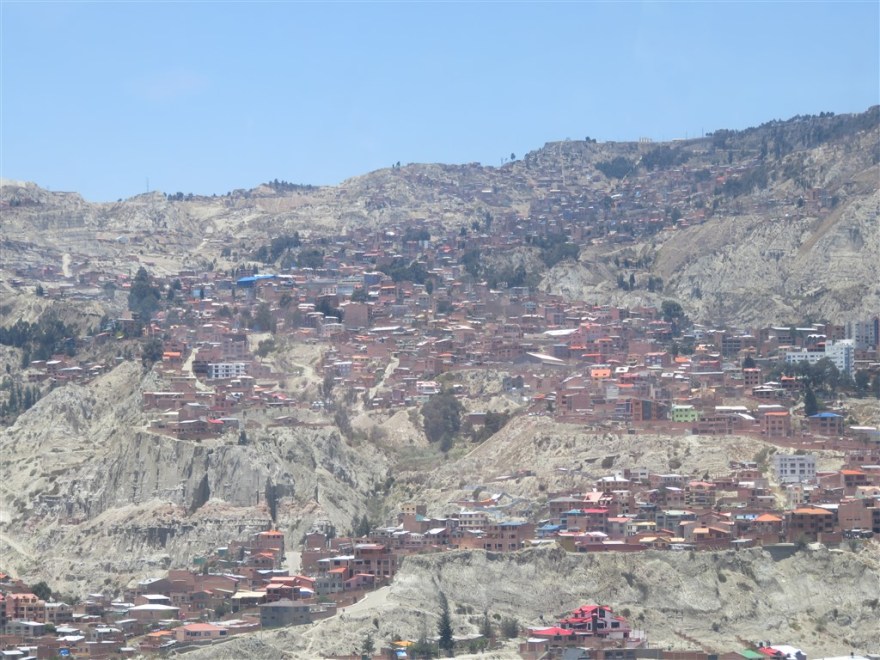
The green line connects to the yellow line just south of the city centre. A ticket costs 3 Bolivian Pesos (about 20p).

The yellow line takes you over Sopocachi which is one of the oldest residential areas in the city.
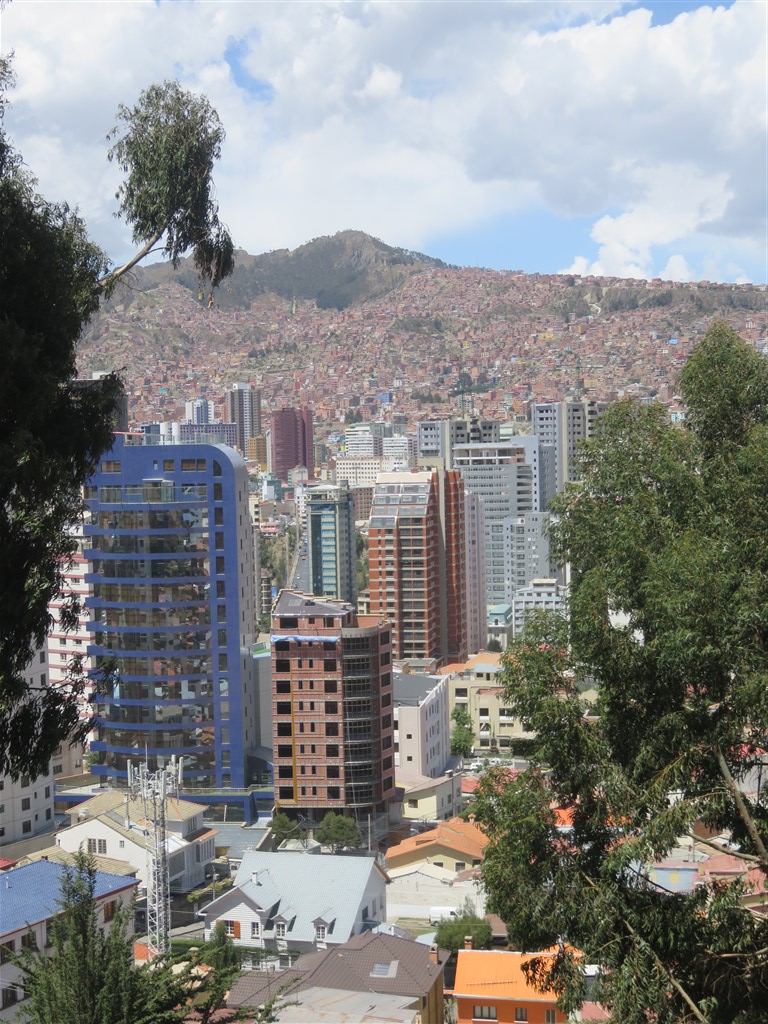

And up to the plateau of El Alto.
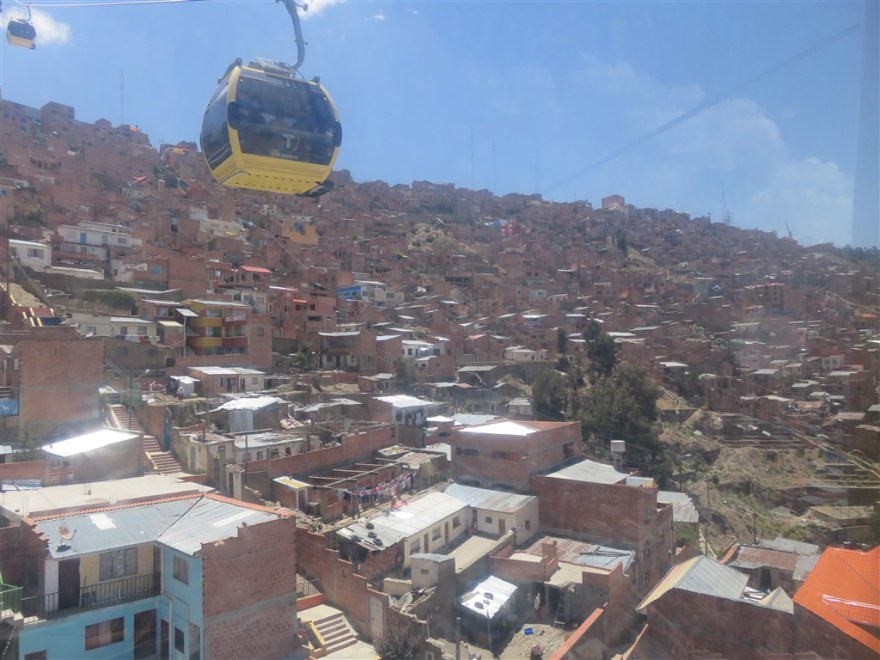
There are great views down from the top.
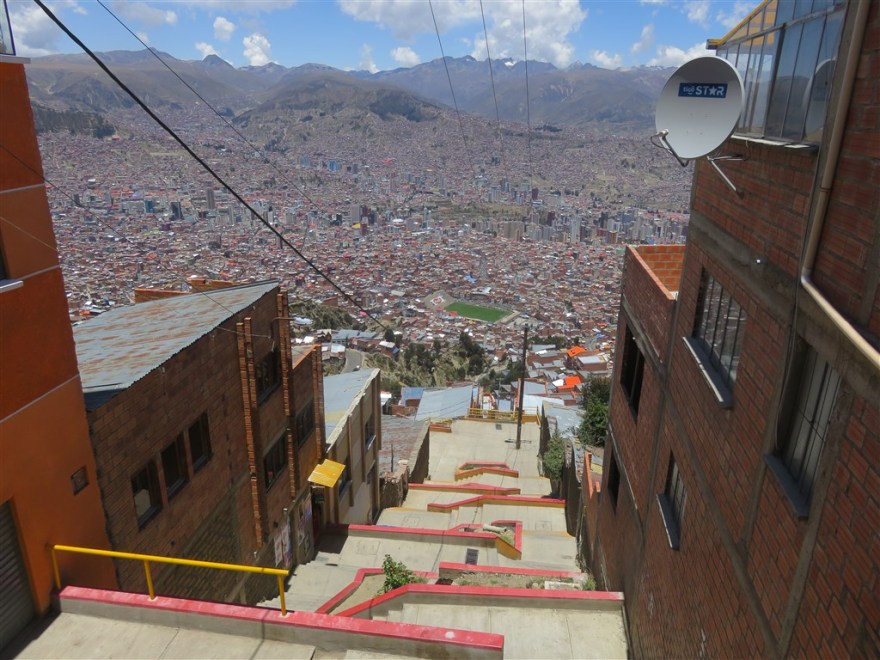
And into peoples gardens.

Next, I went to the Central station which is built next to the old railway station.

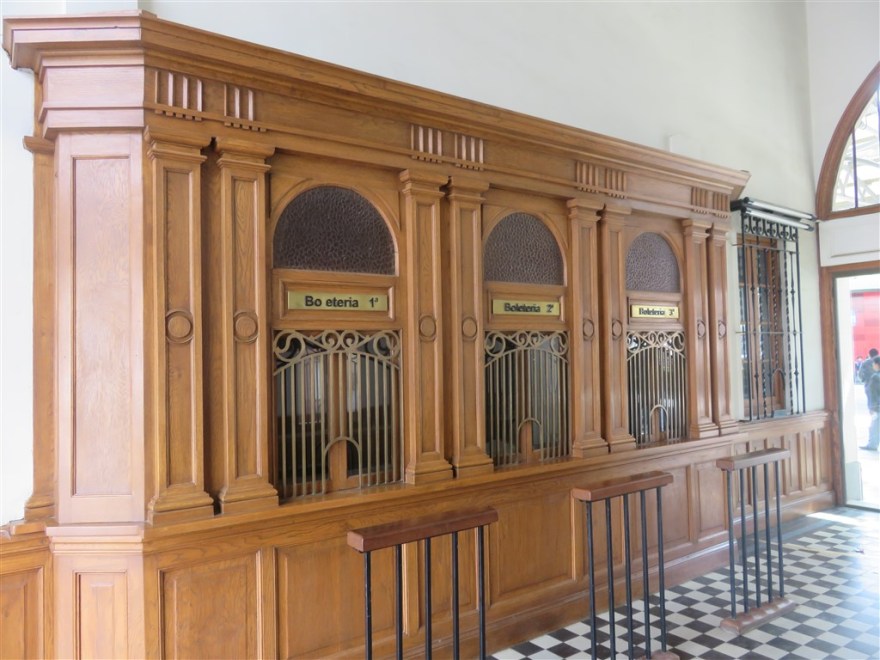
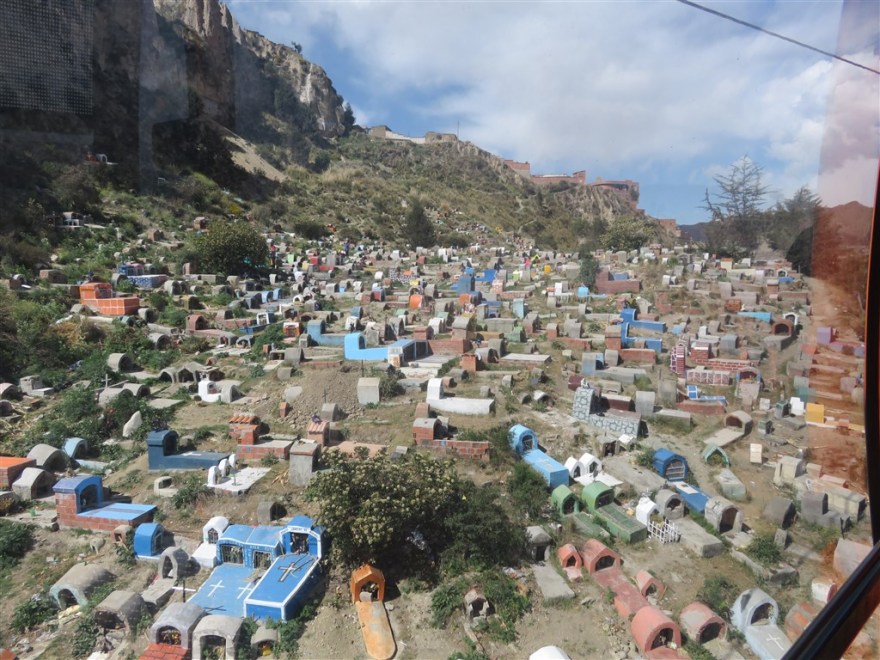
I took the Orange line west.
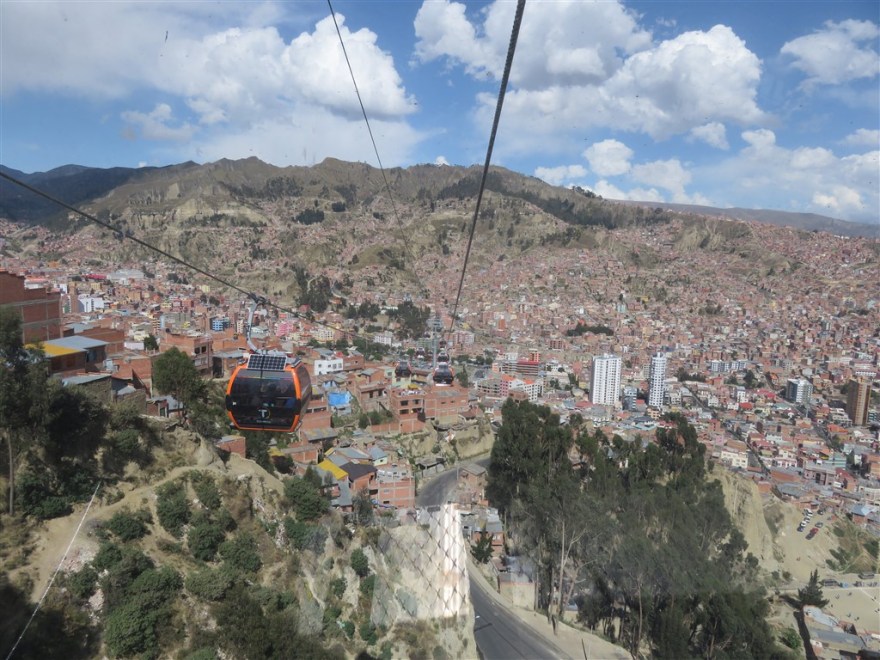
Passing over this strange cemetery.
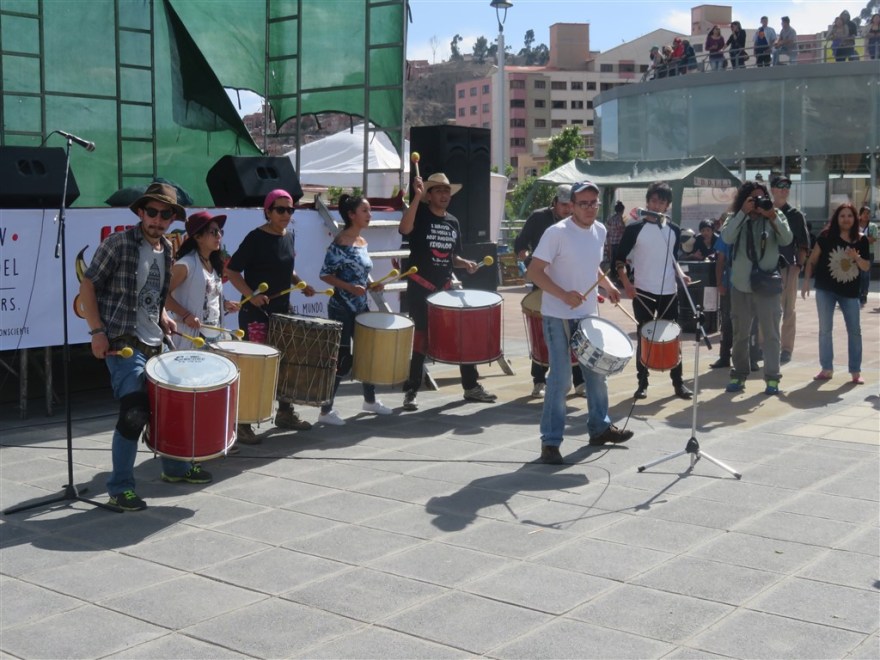
At the end of the orange line, in Heroes of the Revolution Square, there was a festival in progress with music.
And vegetarian food.


Returning to the central station, I took the red line east.
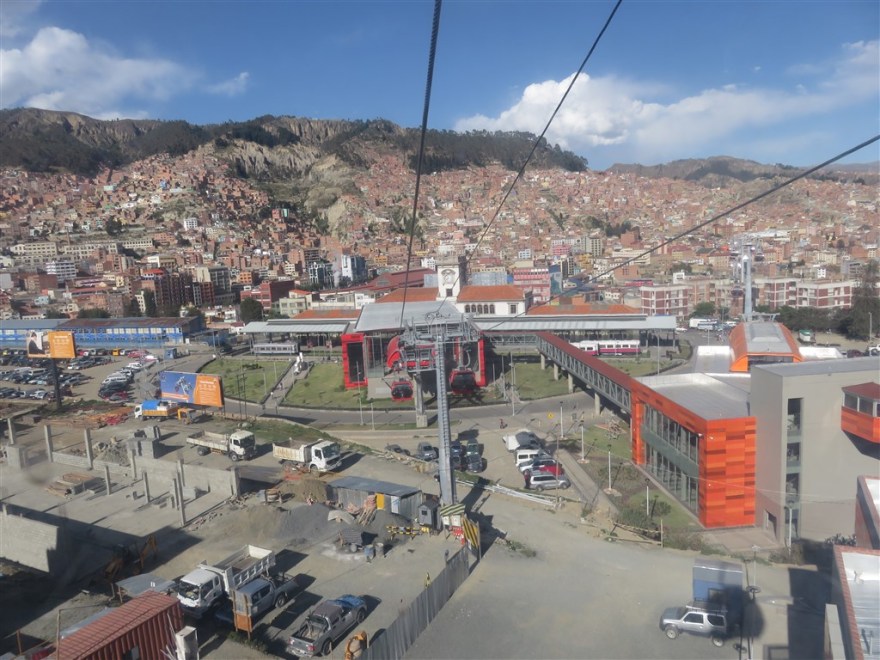
This goes over the main city cemetery.

Up on El Alto, the red line joins with the blue line which runs over a market parallel with the airport.
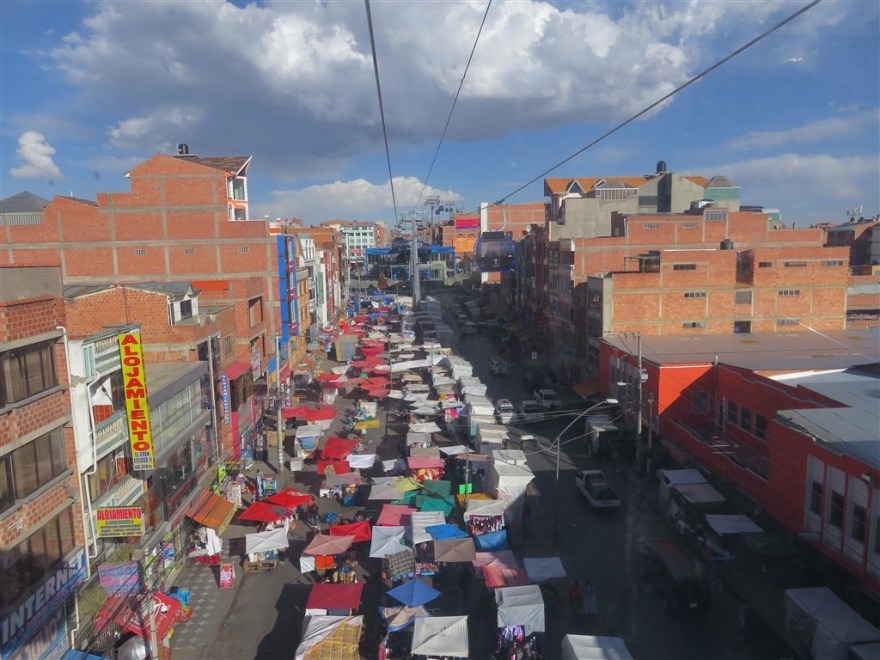
Past a colourful church.

And open air squash courts.
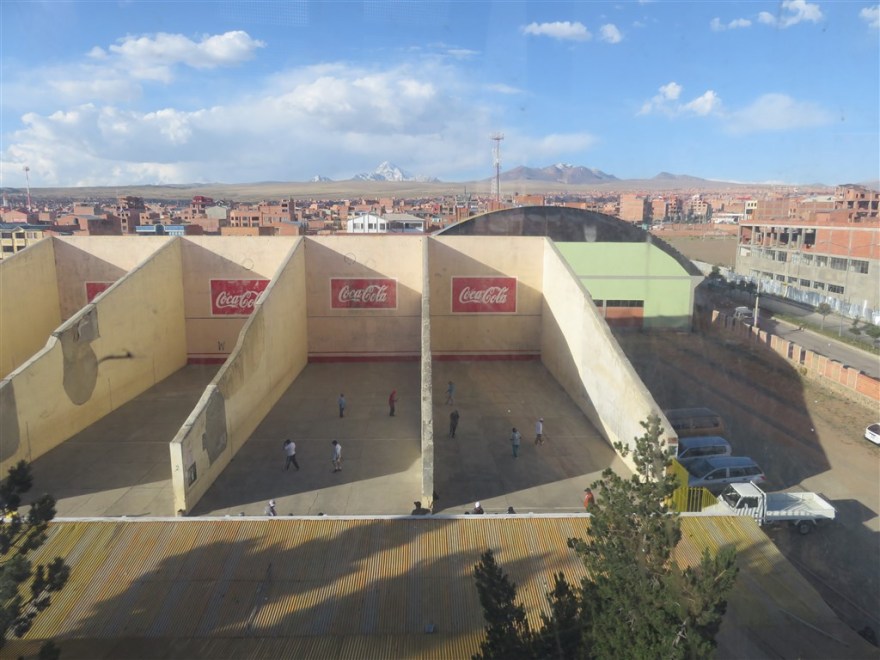
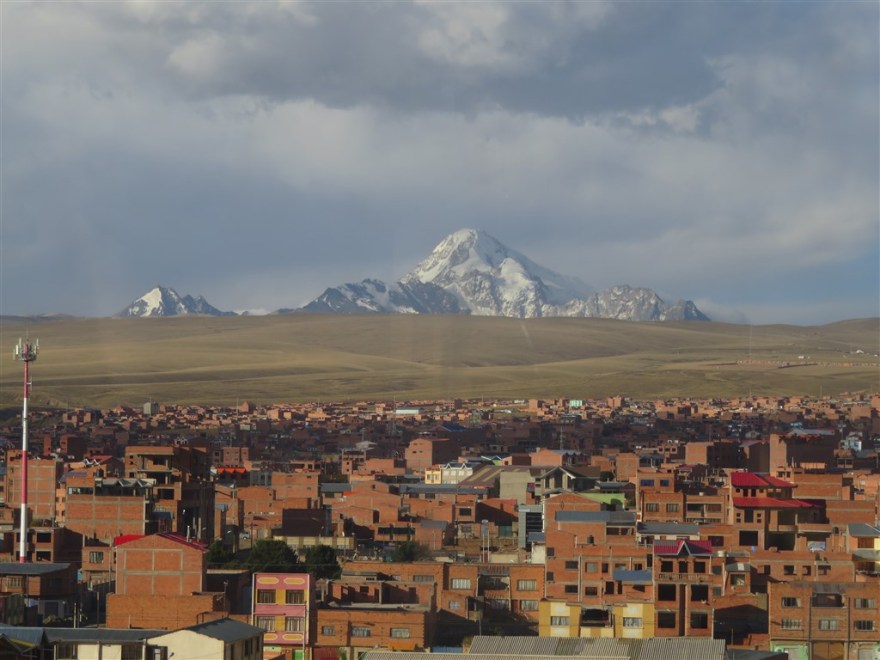
You some great views out of the city towards the mountains.
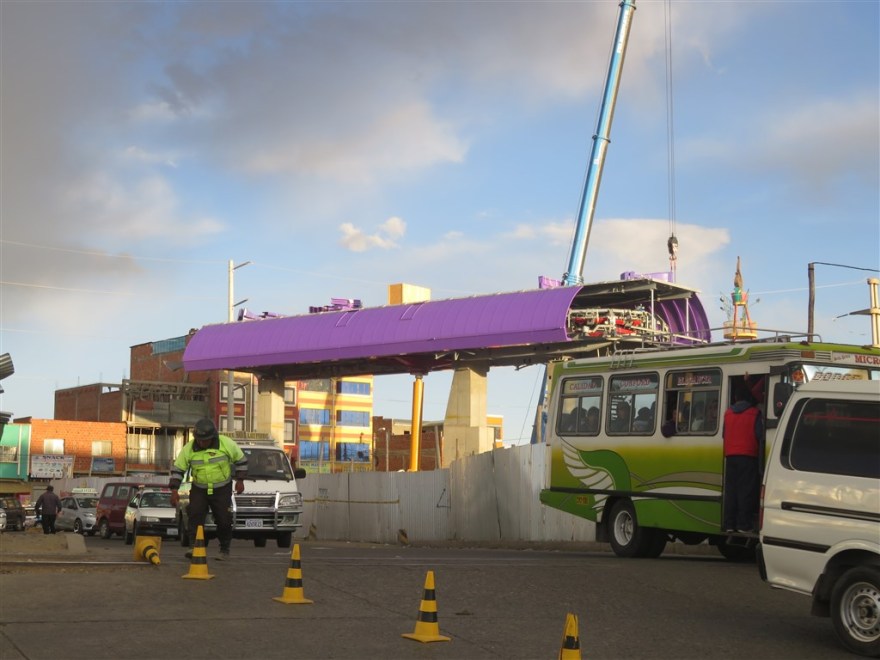
Work is currently underway on six more lines (Purple, White, Sky Blue, Brown, Silver and Gold) which will provide another 15km of routes across the city.
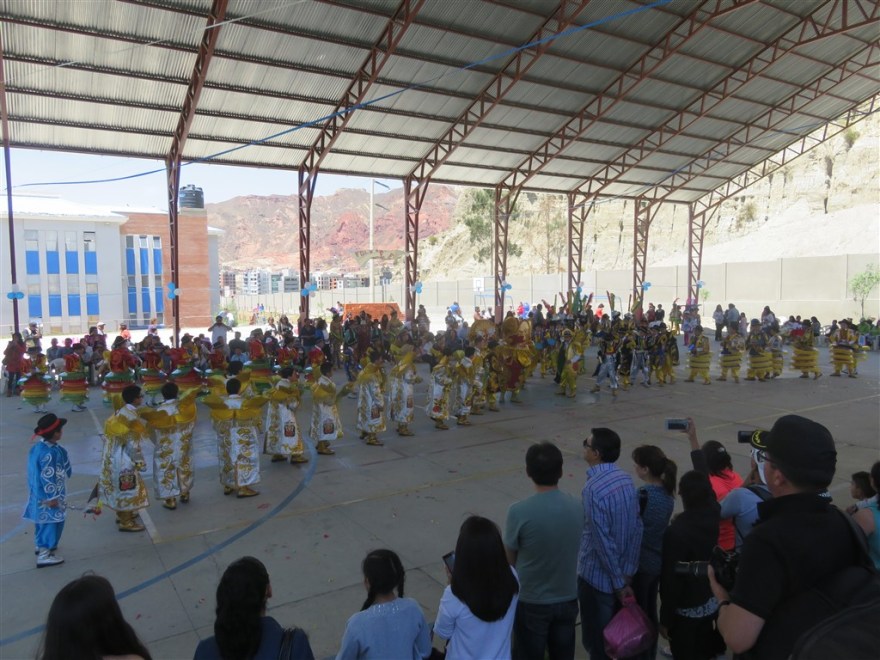
While I was in La Paz, I came across several folk festivals and traditional dance parades in the streets. The festival below was in a primary school close to my hotel.


I also came across people in the same costumes in various residential areas of the city.
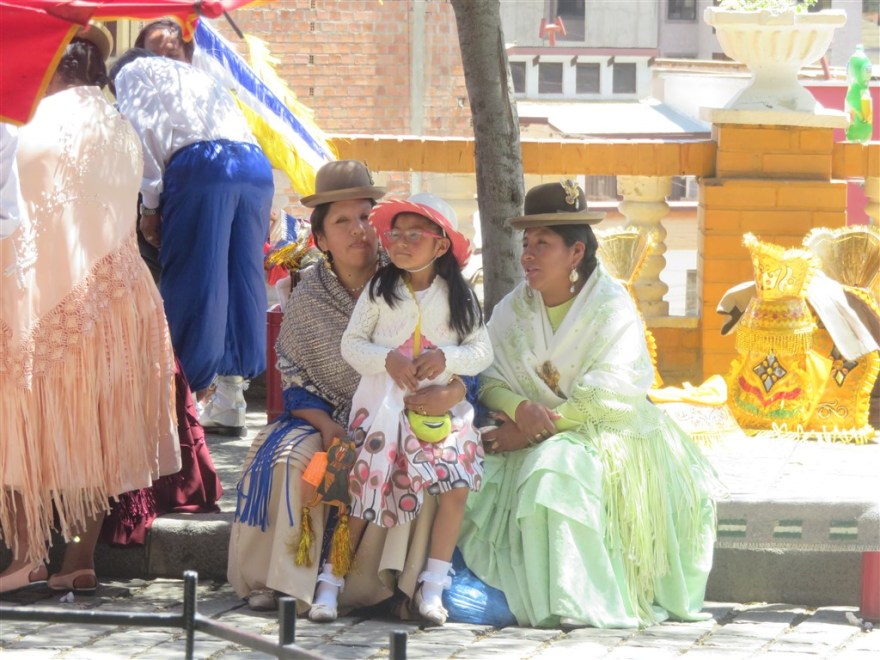

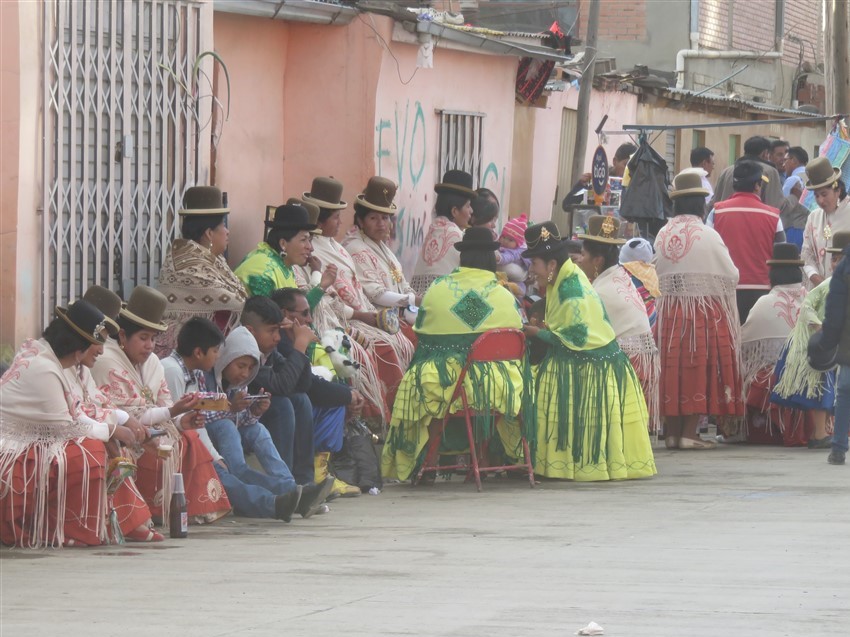
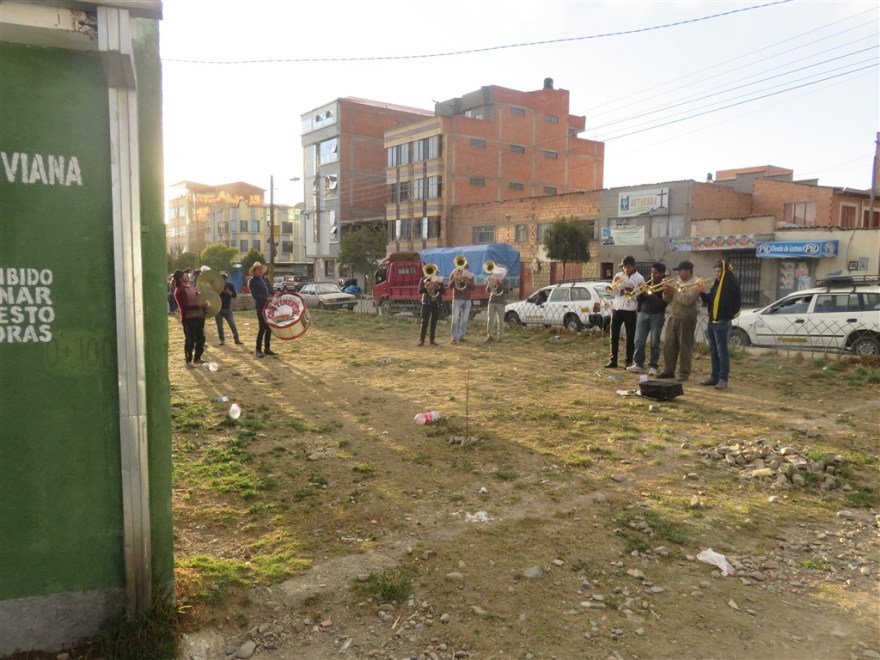
And bands practicing where ever they could. I never found out what all this was for.
One of the first things that attracted me to La Paz was reading the book Marching Powder a long time ago. It is about Thomas McFadden, a convicted drug smuggler, and his time in San Pedro Prison in La Paz. This is an unusual prison in that there are only guards on the outside and the prisoners run everything themselves inside. A perfect capitalist economy. McFadden started running tours of the prison for tourists. One of those taking the tour was an Australian lawyer called Rusty Young. He was so fascinated that he moved into McFadden’s cell for 3 months to write this book.
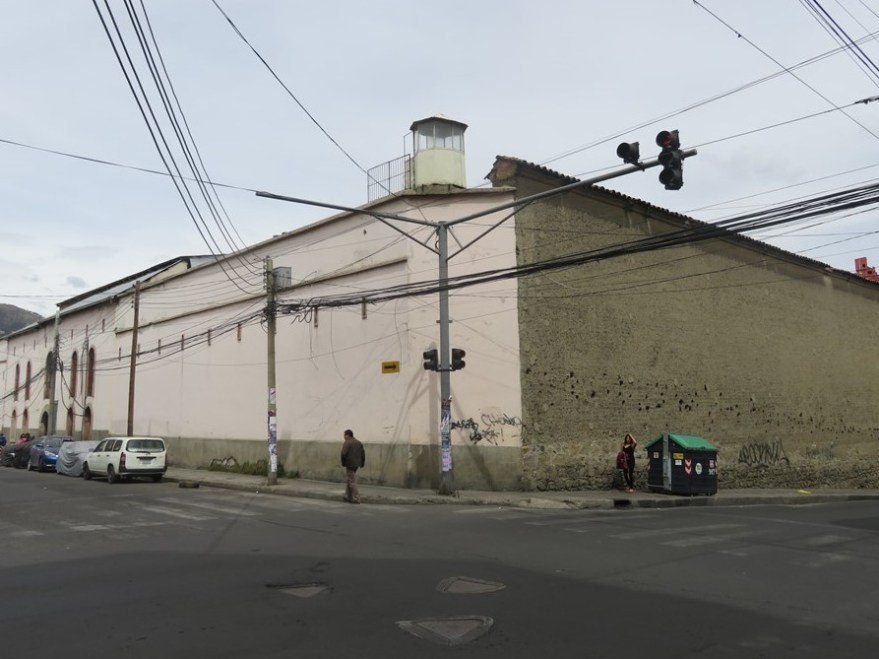
The prison, which is located in the city centre, was originally built for about 600 inmates and now has about four times that. The prison gate is always busy with non inmates coming and going. In some cases the families of inmates live with them and come out to go to work every day

Children living in the prison come out to go to the school on the other side of the square.

The government stopped the tourist tours of the prison in 2013 so I wasn’t able to go inside. There are rumours that it is still possible to take a tour but everything your read warns you against this. Apparently some tourists took such a tour and their guide disappeared part way through the tour. They then spent several days, and considerable amounts of money on bribes, getting out again.
While I was standing outside there was a prisoner transfer.

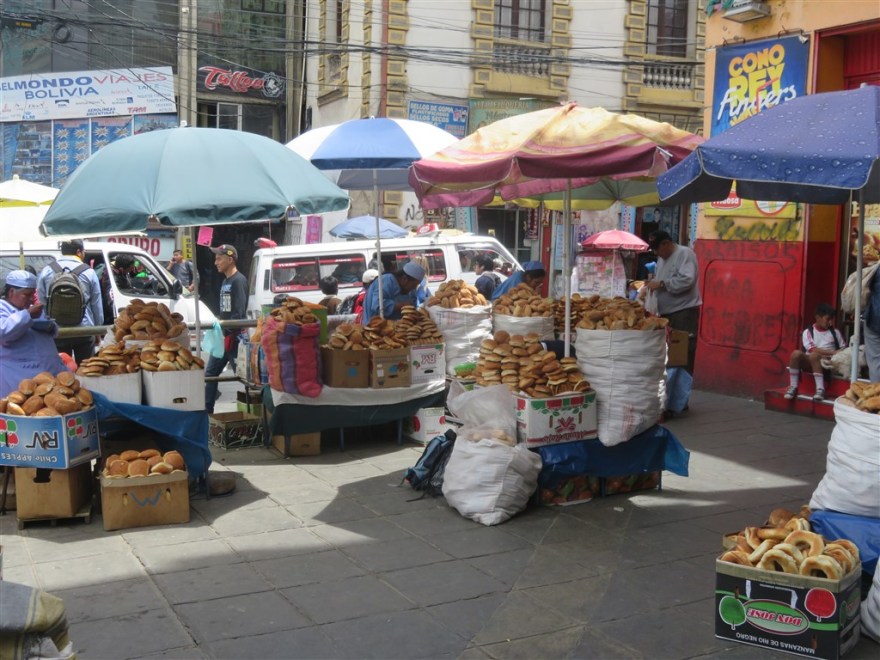
Bolivian food was interesting. There were the usual markets. I liked their bread.
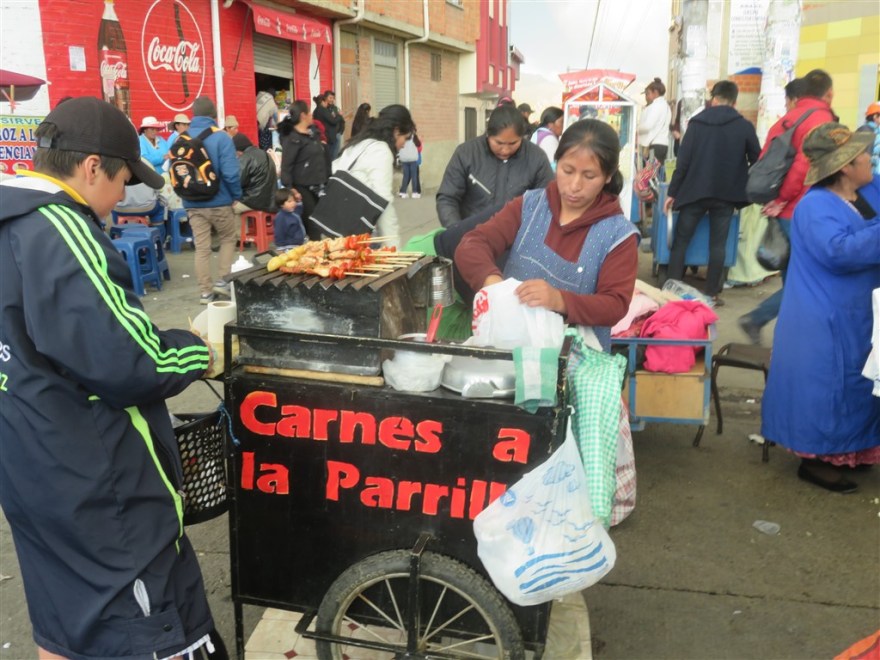
Street vendors. These kebabs were great.
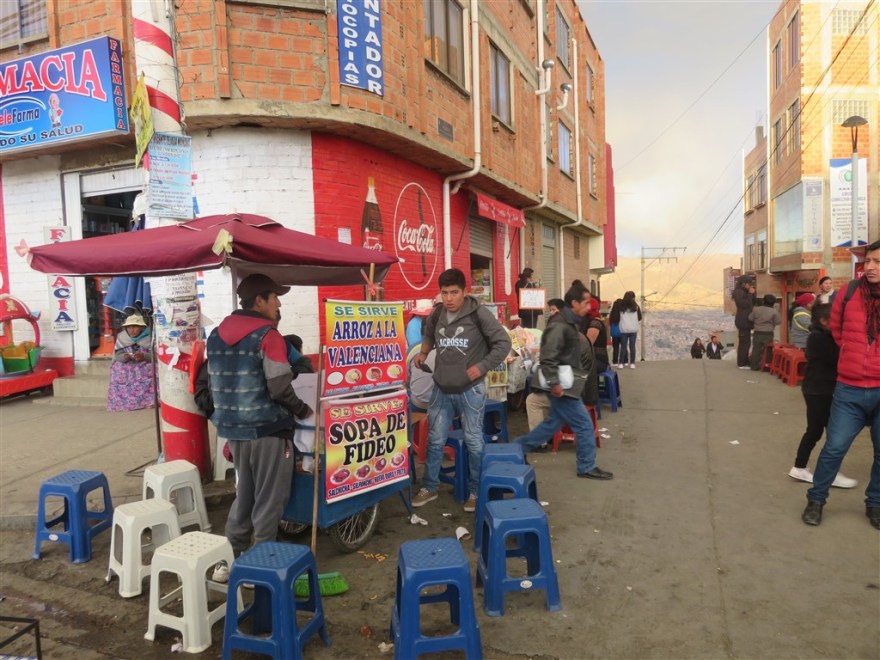
I didn’t venture as far as these sit down venues.
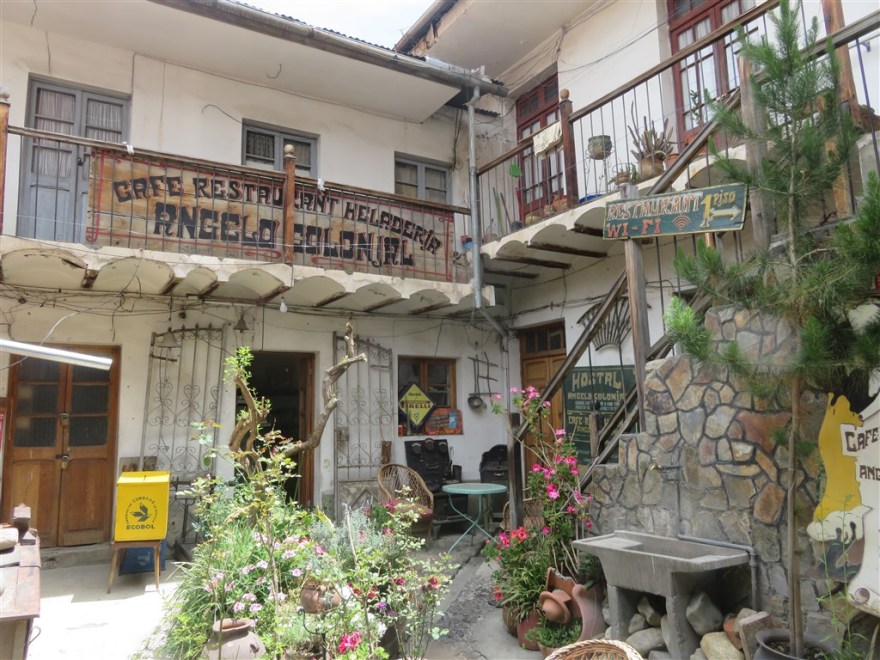
There were lots of tourist restaurants in the old city.
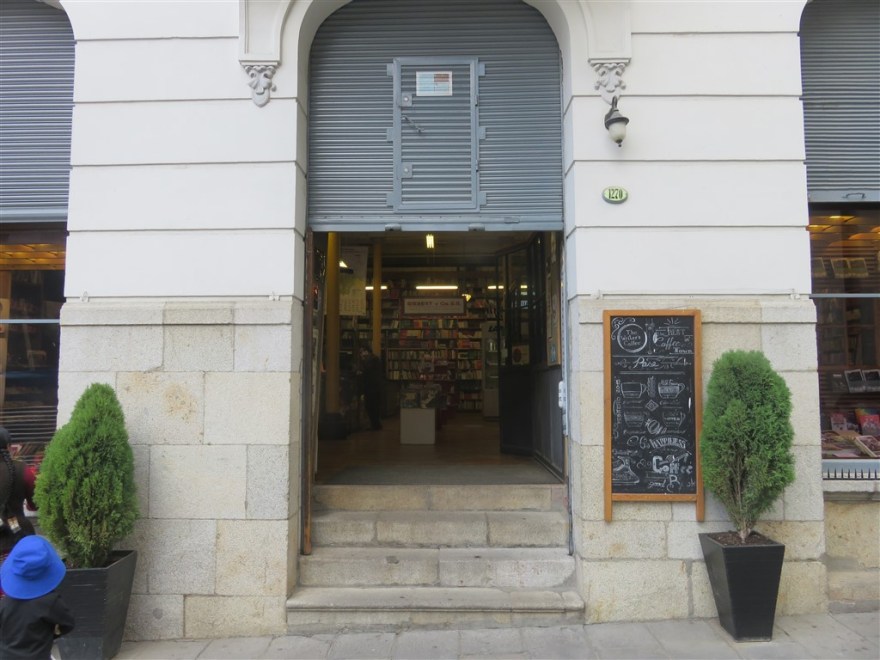
I tried to eat as much as possible from the markets and don’t have any restaurants to recommend. The one coffee shop I would recommend is The Writers Coffee (www.thewriterscoffee.com). It is located in a stationary shop near the Presidential Palace.

La Paz was the first stop on my trip where I noticed that Christmas is on its way.
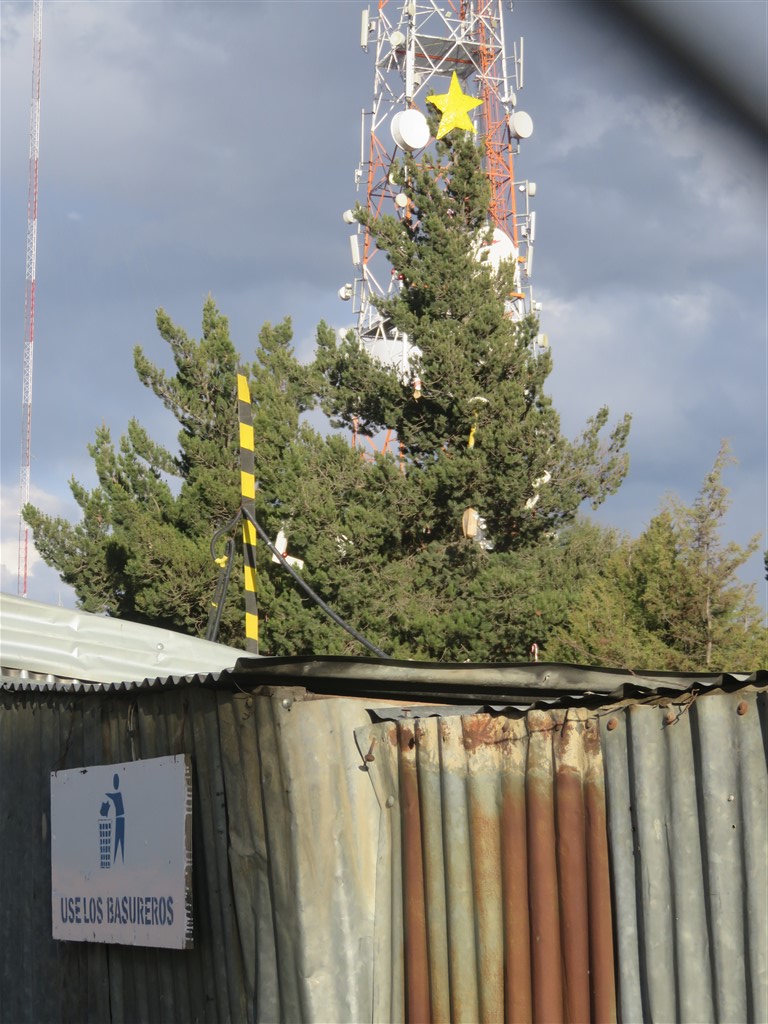
Even the cable car stations were trying.

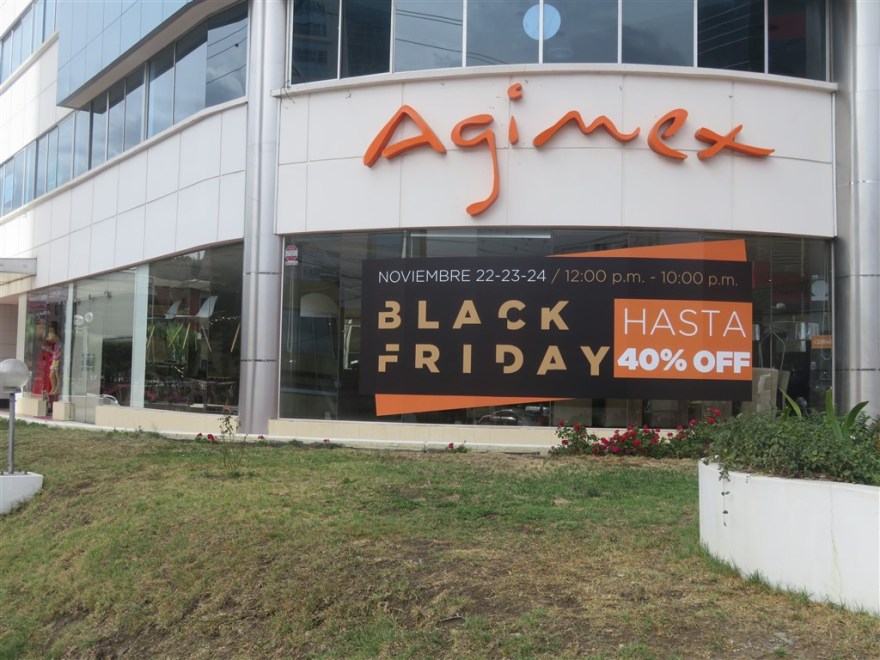
Unfortunately, “Black Friday” sales have now gotten as far as La Paz!
Once I started getting more accustomed to the altitude, which took about a week, I enjoyed La Paz.

Next I set off for Lake Titicaca – the highest navigable lake in the world.
 Escape from Ealing
Gosh Henry, amazing places. You’ll be able to go on mastermind when you come back specialising on all things Argentinian.
LikeLike