Ubud

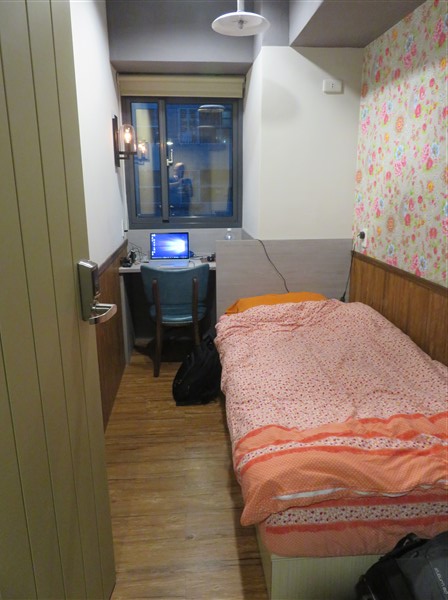
I flew from Jakarta to Denpasar airport in Bali on 29th January and took a 90 minute taxi north to Ubud, which is described and the arts and cultural hub of Bali. I had booked into the Ons Hostel where I had a great studio apartment with a balcony for £22 a night.

Ubud is located amongst the rice paddies and steep ravines in the central foothills of the Gianyar Regency (Indonesian state/county).

The town, and surrounding villages, are all geared up for the tourist market with lots of cafes, gift shops, massage and yoga places.

With many ornate houses, of which many are hotels and B&Bs. Sometimes it was hard to distinguish the private houses from the temples.

There are several Hindu temples. I visited the Pura Desa Ubud, which is the main temple in the town.

To get to the town centre from the hostel, I had to walk through or around the Monkey Forest – a nature reserve and Hindu temple complex. The monkeys were very friendly.

There was other local wildlife as well. (The chickens are eating the temple offerings left every morning by local people)

The cultural activities in Ubud mainly involved dance with different dance shows most nights at the bigger restaurants.

img_0437

It is very hard to arrange an around the world trip to ensure the weather is good in every location and I knew that I would be visiting Bali during the wet season. I was generally very lucky with the weather and it was dry and around 25’C most of the time. However, when it did rain…..

img_0464

Having stuck to my backpacking budget since Macau, I decided it was time for a break and I took a trip to Mandapa, which is a Ritz Carlton Reserve Hotel just outside Ubud. It is built into the side of a ravine. (Please note 3 of the photos below as stolen from the hotel’s web page as it was rather a grey day when I visited – I’ll let you guess which they are)

I just went for afternoon tea. My first challenge was getting into the hotel as I found out you had to have a booking of some sort to be allowed onto the grounds and I had not booked. I insisted I had made a booking and being a good 5* hotel they eventually let me in, apologised for losing my booking and found a table for me by the pool.

The pool looks onto the hotel’s own rice paddie with two authentic workers.

The afternoon tea cost as much as my accommodation and food budget for the previous 3 days but it was worth it.

After an enjoyable stay in Ubud, I got a taxi down to my next destination in Bali.

Addendum – I missed something important out of my Jakarta post. Having had a bad stomach for most of my Hong Kong visit, I finally arranged to see a doctor in Jakarta. The insurance company were not very helpful directing me to a hospital where they didn’t speak English so I found a private GP practice run by some European doctors. They checked me out, ran some tests and told me I had dysentery. The strange thing was that I felt perfectly OK by the time I got to see them. Anyway they prescribed some powerful antibiotics and told me to return when I was back in Jakarta on my way to the airport. On my return visit, a few hours before I was due to fly to Perth, they re ran the tests and told me I wasn’t fully cured. To be continued.


Jakarta


I arrived in Jakarta on 25th January. I had not intended to visit Jakarta but as I had to pass through to get to Bali, I thought I should check it out. I stayed at a hostel called the Packers Lodge. I had a reasonably priced, ensuite room with no windows.

The hostel was in in Glodok a predominantly Chinese district in the north of the city.  There was a street market just behind the hostel.

There were a few local cafes nearby but they all seemed to specialise in sea cucumbers. I opted to eat elsewhere.

Most of the area was residential with some local temples.

and quite a few bird shops.

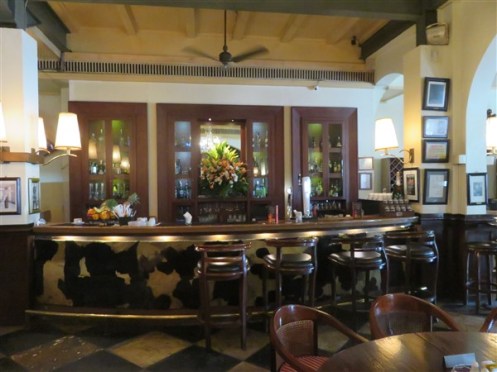
Just north of Glodok is the old town of Batavia, now a suburb of Jakarta called Kota. This was the administrative hub for Dutch colonial Indonesia and many of the original buildings still stand. My favourite was Café Batavia in Taman Fatahillah Square. The building is the second oldest in Jakarta (building started in 1805) but it was only converted into a café 1993.

In its short life it has built up quite a reputation with its Winston Churchill Bar being voted the world’s best by Newsweek International for two consecutive years.

imga0034

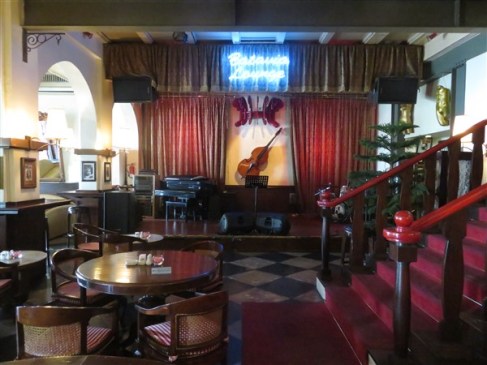
Downstairs they have a live jazz band every evening.

imga0027

I spent most of the Chinese New Year in the café as everywhere else was closed. Outside the square was packed with those celebrating the new year. Many were renting multi coloured bikes, with matching hats, to cycle around the square and have their pictures taken – the selfie (with essential peace sign) is still very much alive in Asia.

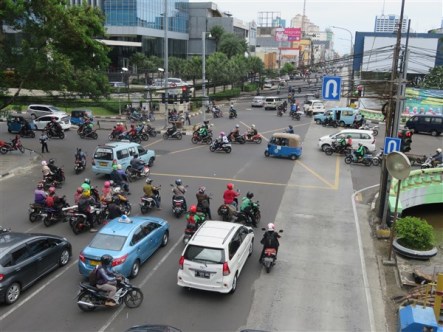
Getting around the city differed to many of the places I have visited so far. The most popular form of transport is the scooter.

imga0097

Public transport comes in several options:
1. The Tuk Tuk – Not really an option for me as none of drivers spoke English and they were not much cheaper than other options.
2. Uber, Go Jek and GRAB scooters – Definitely the most popular. You use an Uber or similar app to call them and they give you a lift on the back of their scooter. Very cheap but not an option for me as I hate motorbikes.
3. Shared Taxis – These blue mini vans follow fixed routes stopping where ever their passengers want. Cheap but you have to know their routes and language is often a problem.
4. Busways – These buses ran in segregated lanes across the city stopping at inter connecting stops. As sort of over ground underground.

The Busways were my preferred way of getting around. You board from an elevated platform and each trip costs about 20p.

img_0377

Another essential part of every Busway stop was the family of local cats.

I also finally started using Uber cars in Jakarta (having stuck with yellow cabs in New York) as the Busway didn’t go out to the airport. I was impressed, they were very quick, cheap and efficient. Often more than half the cost of the official airport taxis.

The city appeared split into two: the older, poorer suburbs.

And the richer, more formal city centre.

I went out to the old port of Sunda Kelapa which was full of very old schooners that are known as Pinisi, They ship freight to and from the Indonesian islands with some going further in to the south pacific.

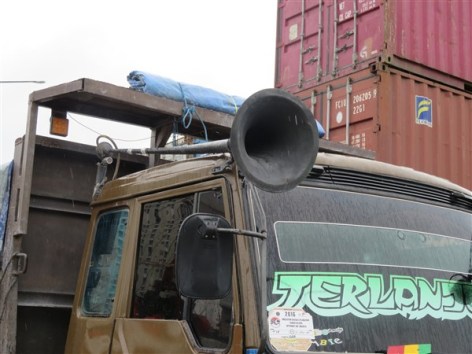
They was loading and unloading cargo to equally old lorries with very large air horns and mostly obscured windscreens. All of the glass was covered in reflective material to keep out the heat, except for a small strip in the middle to see out of.

img_0351

After the Chinese New Year, the museums reopened and I visited the national museum (not very memorable) and two banking museums in Kota – Museum Bank Indonesia and Museum Bank Mandiri. The first was an excellent museum explaining how national banks operate and detailing Indonesia’s financial history which has had several crisis. The most recent of which was in 2008 and resulted in many banks going out of business and those that were left merging to survive.

The second was basically just an empty building but it was very interesting to explore this untouched art deco building.

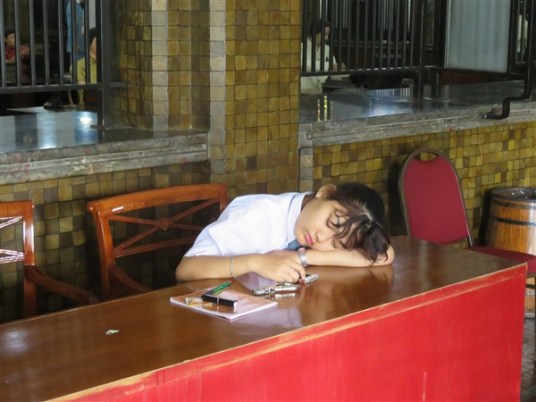
The museums were pretty quiet after the new year celebrations and the lady collecting the tickets in Museum Bank Mandiri took time the opportunity to catch up on her sleep.

imga0045

I have mentioned before that I’m not very adventurous with local food and I have to admit that I have found myself quite regularly searching out for western chains. Jakarta was no exception and I took a trip to the new Plaza shopping centre, which opened late last year, to visit an Eric Kayser Patisserie (one of my favourites in New York). I was quite amazed by the excesses inside which included a supermarket that made Whole Foods Market look like and Aldi and a shop selling a half million dollar blinged up piano.

Two doors away was a different kind of café. (They are actually separated by the Japanese embassy. I tried to take a picture showing how close they were but was dissuaded by the security staff outside the embassy.)

imga0085

This seemed to sum up Jakarta. The city is going through massive changes (they are building a new underground system) but there is still a massive gap between the rich and the poor – possibly bigger than anywhere I have visited before.

Having arrived with no expectations, I quite enjoyed my stay. I’m not sure if I would advise anyone to travel half way around the world to visit but if you are passing definitely check it out. My stay was split around my trip to Bali (see separate blogs). I flew out of Jakarta on 7th February.


Taipei

I have always wanted to visit Taiwan since I worked with Taiwanese clients at Text 100 in the 90’s. They always appeared very westernised and friendly. I arrived in Taipei on 22nd January, got out of the airport in record time and headed straight for the Formosa 101 Hostel, next to the Taipei 101 tower. This was the world’s highest building until 2009 when it was beaten by the Burj Khalifa in Dubai. Despite being rather pink, the hostel was the best I have stayed in so far.

img_0328

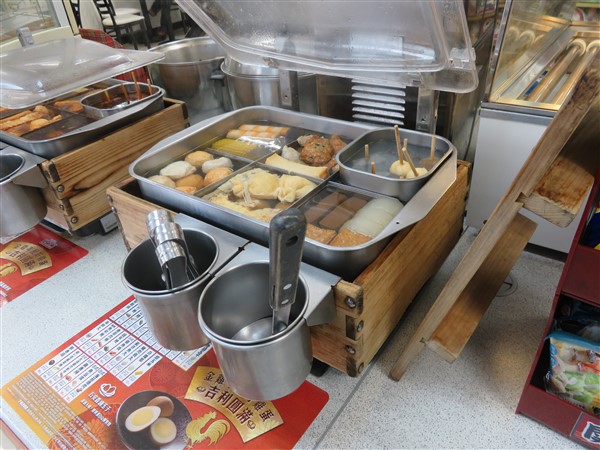
I wasn’t a big fan of the street food. It was all fried or boiled and I’m not sure what was in it.

img_0268

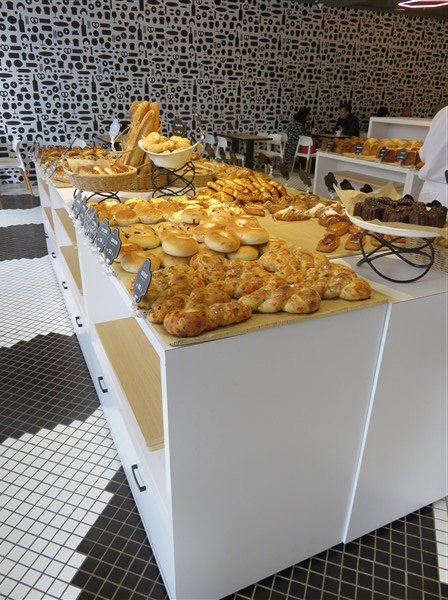
However, they have some very nice bakeries.

img_0269

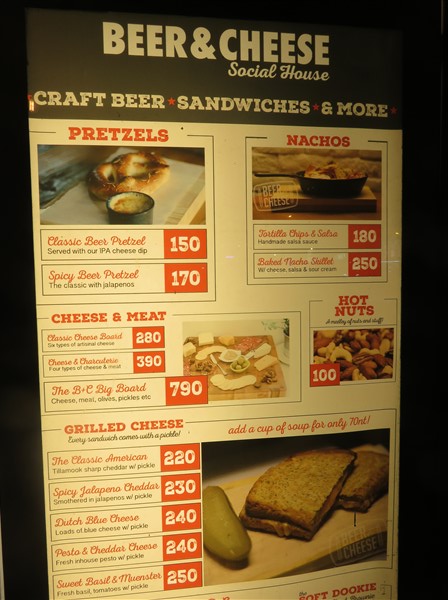
And some interesting bars such as this one next to the hostel.

img_0301

Taipei is not an architecturally beautiful city. There are several temples that date back to the beginning if the last century.

And Dihua Street which dates back to the 185os and has long been known for its Chinese medicine shops. It is now being taken over by coffee shops other small businesses.

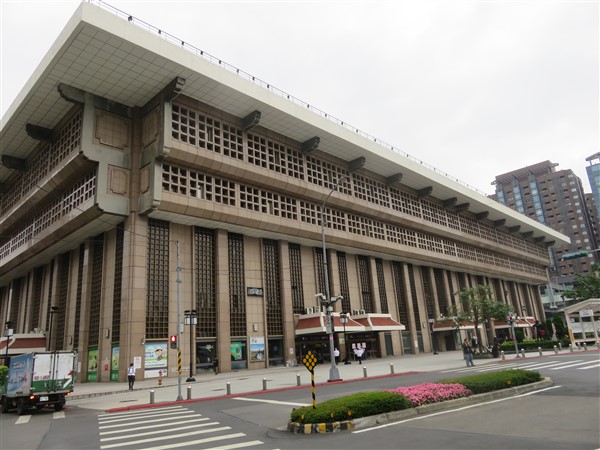
Otherwise everything else is quite brutal, such as the main railway station. Much of the city was built during the 1960s when the economic boom started and there was little planning control – it is often referred to as the “ugly duckling of Asia”.

img_0282

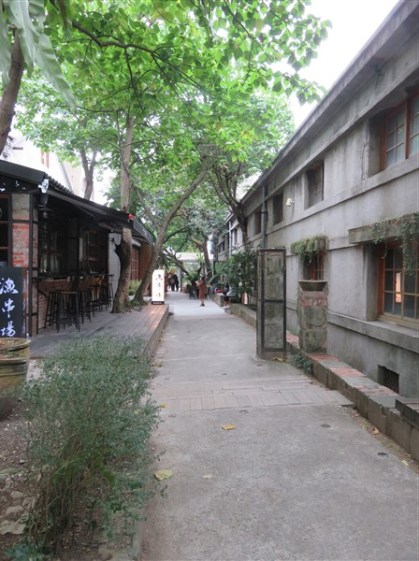
The current Mayor was elected on a promise to make the city beautiful again. They have a long way to go but initiatives such as the Huashan 1914 Creative Park are a start. This old wine factory has been converted in shops, restaurants and exhibition/performance spaces.

img_0283img_0297

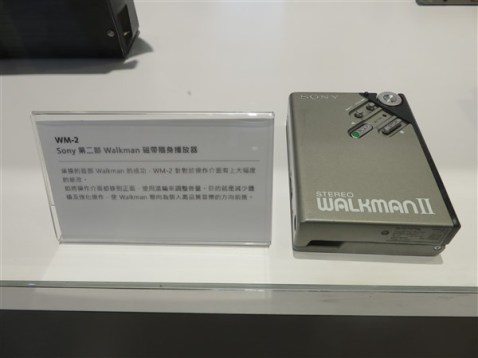
One of the exhibitions was marking Sony’s 90th anniversary and displayed a range of their products over that time, including some from my formative years.

img_0292

Zhongshan Hall, built in 1936, is one of the few older buildings to survive. It has two large auditoriums that have hosted several key political events. It was built for the coronation of  Emperor Hirohito (Taiwan was under Japanese rule at the time) and also hosted the Japanese surrender ceremony in 1945. It is now more commonly used for concerts. Unfortunately the well known Fortress café, with seating on the terrace over the entrance, was closed for renovation while I was there.

img_0274

Another survivor is the Presidential Office Building which was built for the Japanese Governor in 1919. It now houses the offices of the Republic of China (ROC) President. This is the Taiwanese government as distinct from the government of the Peoples Republic of China. I tried to take a picture of the front but found that there are plain clothed security who politely ask you not to do so. They didn’t seem to mind me taking a picture of the back of the building.

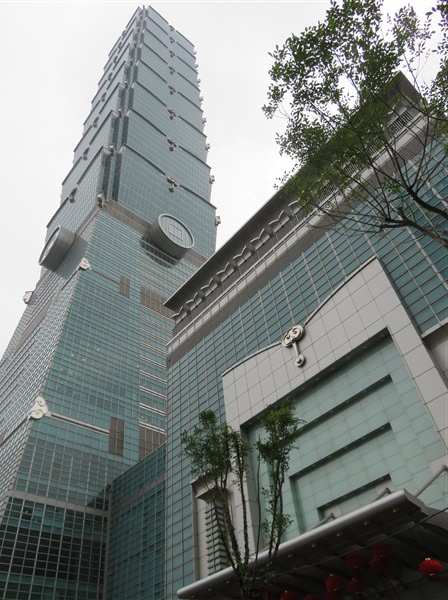
Taipei 101 is the probably the most famous building in the city. It has a viewing observatory at the top which is reached by a lift that takes 40 seconds to climb 89 floors. Unfortunately it was rather cloudy when I went up. That, and the grim architecture, meant that I don’t have any photos worth publishing. Note to others – it is probably worth giving this a miss unless you are into super fast elevators. It does have a fancy shopping mall in the first 5 floors in case you feel the need for more Louis Vuitton.

img_0327

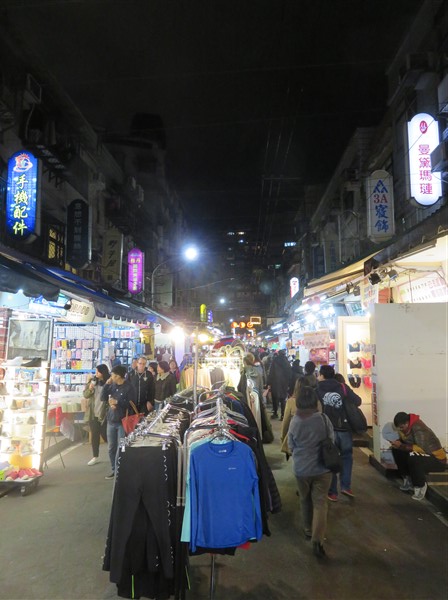
Taipei does come alive at night with lots of night markets.

img_0300

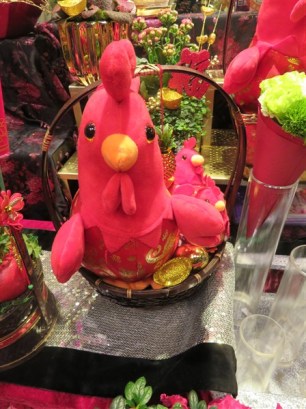
I was there the week before Chinese New Year and everybody was getting ready for the new year of the Rooster.

img_0299

You can get out of the city easily on the super efficient underground system. Differentiated from other underground systems around the world by a musical feature – each station plays its own unique piece of music announcing the arrival of each train.

The city quickly gives way to green hills covered in tea plantations.

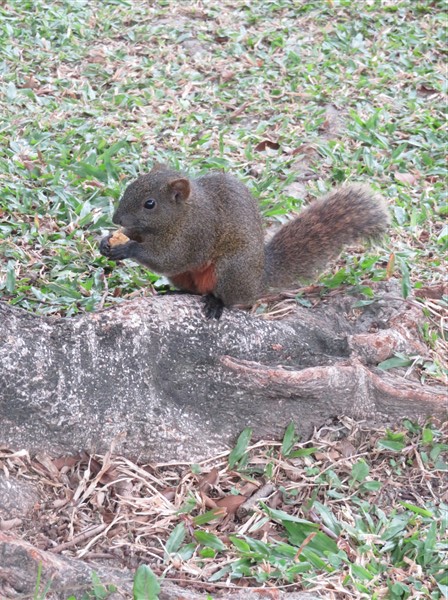
I didn’t come across much wildlife in Taipei but did note yet another breed of squirrel.

img_0278

Macau


I arrived in Macau on 14th January. My interest in the Chinese Special Administrative Region (similar to Hong Kong) is linked to my fascination with Las Vegas (I’m more intrigued with what you can do with a ridiculous amount of money and no taste than the actual gambling). Anyway I finally had an opportunity to visit the Las Vegas of the East.   It is just 40 miles west of Hong Kong which takes just under an hour in one of the high speed ferries. Having spent nearly 3 weeks in Hostels, I decided it was time for a couple nights in a nice hotel. Like Las Vegas, hotel rooms are much cheaper here to lure in the gamblers. I chose the Hotel Royal in the old city.

img_0143

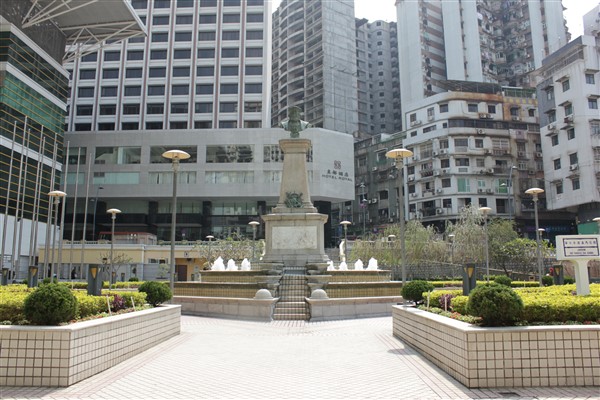
Macau has a similar history to Hong Kong, except it was a Portuguese stayed neutral during the second world war. It was handed back to China in 1999. The Portuguese influence can be seen in the architecture.

With lots of Buddhist and Taoist temples.

My favourite parts of the old city were the theatre:

Also the Mandarin’s House which dates back to 1869. It was inhabited by the same wealthy family until the 1960’s. It was then rented and there were once more than 300 tenants living in the complex. In 2005 it became a UNESCO world heritage site.

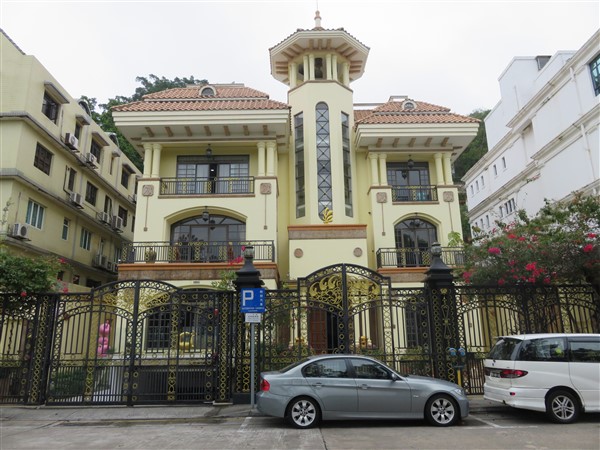
I preferred the Mandarin’s House to the latest mansions in the City.

img_0115

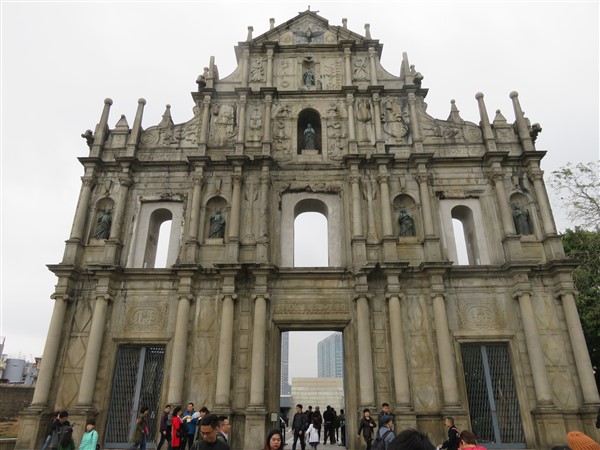
Another UNESCO site is the ruins of St Paul’s College, of which only the front façade remains.

img_0082

The Fortaleza do Monte (Mount Fortress) is also part of the same site. They started building it in 1626 and it remained in use up until 1965.

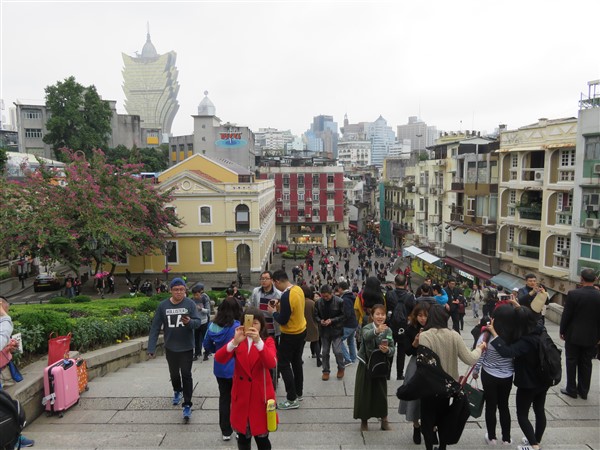
The site is joined to the old city by a popular set of steps.

img_0083

A lot of the old city is made up of alleyways.

Like Hong Kong, the local cuisine is very fresh.

The locals like to take their birds out to the local parks.

Macau has a large Filipino population and they were celebrating the Sinulog festival during my visit. This involved a lot of pageantry,  colourful costumes and drums.

Finally, onto the gambling. Like Las Vegas, it is split into two different areas. The original casinos are located on the island of Coloane, south of the old city. The most recent casino here was the Wynn which opened in 2006.

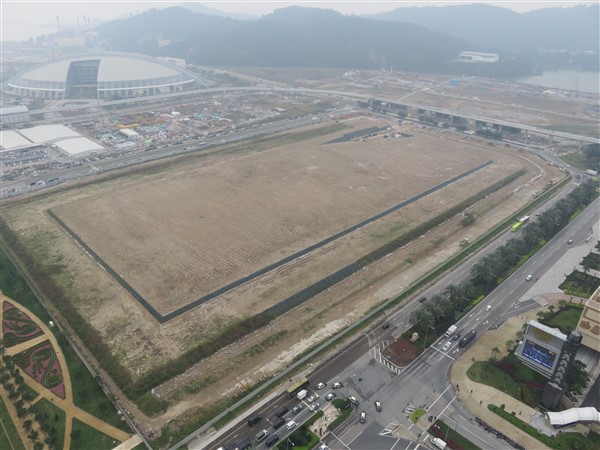
The newest and biggest casinos are being built on over 5km² of reclaimed land between the islands of Coloane and Taipa called Cotai.

img_0144

I visited 2 of the huge casinos in Cotai. The newest is The Parisian which just opened in September 2016. It has its own mini Eifel Tower.

My favourite was The Venetian which is very similar to the Las Vegas hotel with its indoor canals.

There are lots of plots left for more super casinos, in addition to the new stadium and monorail currently under construction.

img_0130

I was very good and only gambled 100 MOP (Macau Pataca) which is approximately £10. I lost it all in about 5 minutes. I left Macau on 17th January and returned to Hong Kong.


Hong Kong

Arrived in Hong Kong on the 10th Jan. It was the first time I had been back since Feb 2000. On my first visit, which was for work, I stayed in the Peninsular Hotel and had butler service.

This time I was on a slightly different budget and I stayed in the Apple Hostel. It was right next door to the Peninsular but not quiet the same quality.

It was a very narrow room. The compact ensuite (a luxury in a hostel) allowed me the option to sit on the toilet, brush my teeth and have a shower all at the same time (I didn’t try this). However it had a very comfortable bed and was bang on budget at £30 per night (The Peninsular is about £350 per night). It also had a M&S food shop directly opposite!

On the first evening I went down to the Kowloon board walk to watch “A Symphony of Lights” – the world’s largest, permanent sound and light show which is on every night at 8pm subject to Cyclone warnings.

Hong Kong is very easy to get around with a very efficient underground and bus service. However, where possible, I opted for the original star ferry and trams.

Hong has the most high rise buildings of any city in the world – twice as many as New York.

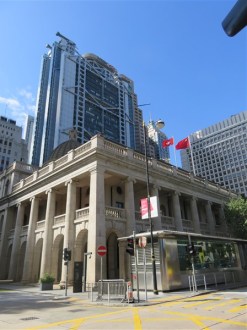
With the odd colonial leftover.

img_0189

My favourite spots were further out. The Chi Lin Nunnery was built in the 1930s:

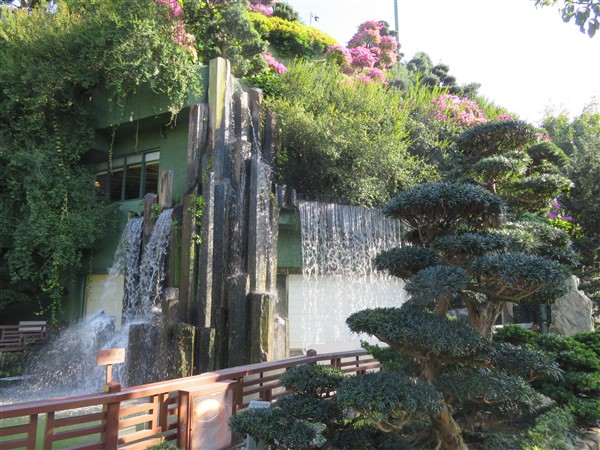
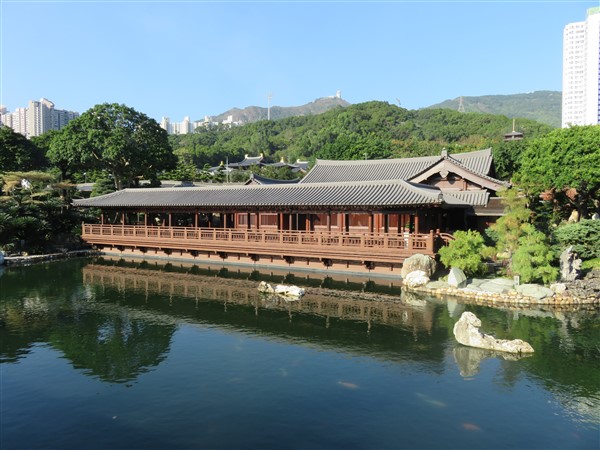
Next to the Nunnery are the Nan Lian Gardens – a public park built in the classical style on the Tang Dynasty (600-900AD):

There is a well known vegetarian restaurant hidden behind the waterfall in the Gardens:

img_0214

and a very expensive tea house (£50 and up for a pot of tea – including tea ceremony). I opted for a cup of coffee in the Garden’s café.

img_0218

I chose a rather cloudy day to go up Victoria Peak on the cable funicular.

 The views were a bit cloudy.

There are markets for everything you can think of. I visited the goldfish market, which sold a variety of different animals. Not quite sure why you want them.

also the Bird market

and a variety of other markets:

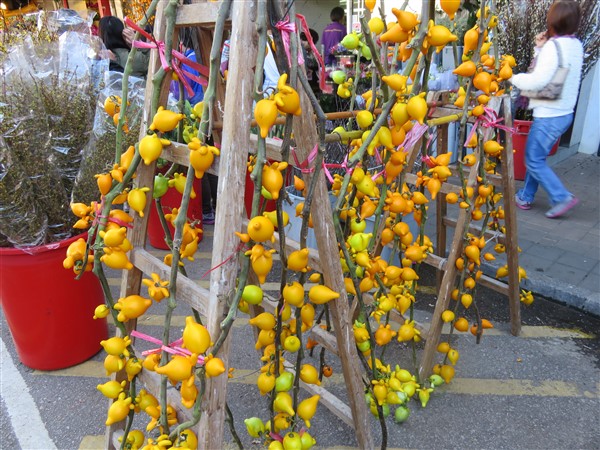
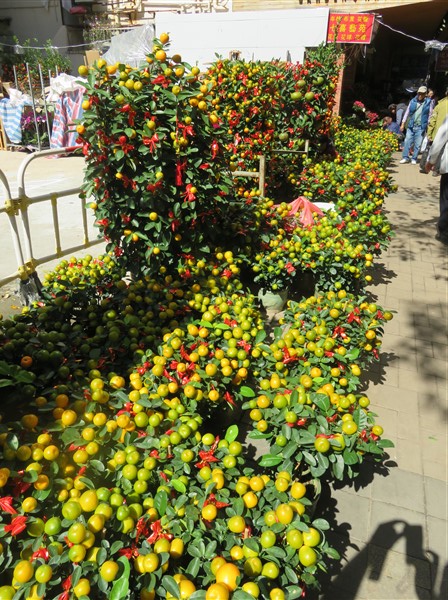
The flower market was gearing up for the Chinese New Year.

img_0198img_0197

Unfortunately I had agreed to meet up with a work colleague on the only evening there was racing at Happy Valley but I drove past it a couple of times.

I went out to Lantau island to see the Tian Tan Buddha – the world’s biggest outdoor, seated Buddha – and the Po Lin Monastery. It is very commercial and all the cafes are vegan so I didn’t stay long.

My favourite trip out of the city was to Stanley on the southern side of Hong Kong island looking out over the South China Sea.

During my Hong Kong trip I took the high speed ferry to Macau and spent 3 days there – see separate post. I left Hong Kong on 21st January.

Delhi

Arrived in Delhi on 3rd Jan 2017. Booked into the Zostel hostel in an interesting part of town near the New Delhi railway station.

I had originally wanted to visit Amritsar as well but I was still feeling pretty rough having been ill over Christmas. Spent the most of the week in parks reading. I started off in and around Connaught Place.

Found my way out of the No 1 tourist trap to the much more interesting Lodi Gardens with its old tombs.

Finally started to feel better about halfway through the week and set off on the real tourist trail starting with the Red Fort.

Another favourite was the Secretariat buildings which were part of Lutyens plan for New Delhi. Although surrounded by multiple security barriers and soldiers they were quite happy for me to have a wander around.

Security was a bit tighter at the Rashtrapati Bhaven (President’s House) so I just had a look through the gates (on a rather grey day).

img_0812

I carried on down the Rajpath (the grand parade linking India Gate to the Government offices) which was being prepared for the Republic Day parades on 26th Jan.

Finally making it to India Gate and the Canopy behind it. The Canopy used to have a statue of King George V but this was removed in the 60’s.

I didn’t purchase any of the fast food offerings available.

img_0036

I also visited several museums including the Government and National Railways museums.  I came across several different transport options (not all still in use). I opted to either walk of take a Tuk Tuk (up to 5km for less than £1 with some negotiating).

I’m not a big shopping fan but I did investigate the options from of the Janpath Market near Connaught Place.

To the more upmarket options such as the shops a Khan Market – of which Good Earth was a particular favorite (www.GoodEarth.in).

I spent the last couple of days wandering around the old city and look at some of the old temples (no photography allowed) and decaying architecture.

Not much to report on the inner city wild life front except numerous stray dogs and squirrels (or something similar).

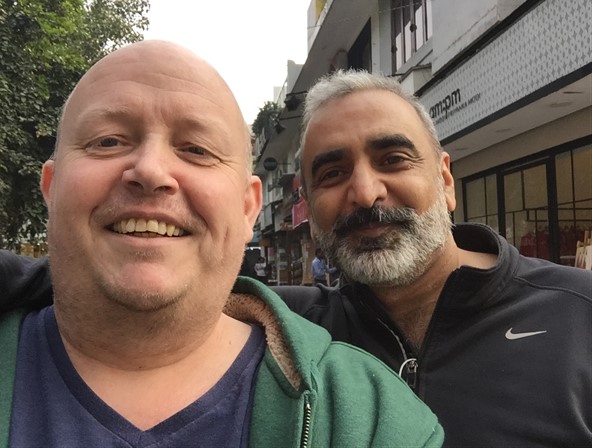
On my last day in Delhi I met up with Sandy Kalsi who I hadn’t seen since 1998. I used to work with Sandy at Text 100. He left soon after I did. He spent quite a bit of time in Delhi setting up Text 100’s Indian office. He is know using his Indian knowledge running 3 separate digital startups!

img_0817

I flew out of Delhi on 9th Jan. I had finally recovered from the virus I had over Christmas and was feeling much better until Starbucks gave me a glass of tap water (it should have been mineral water) on my last day – more to follow on this later!